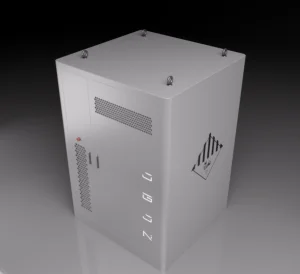
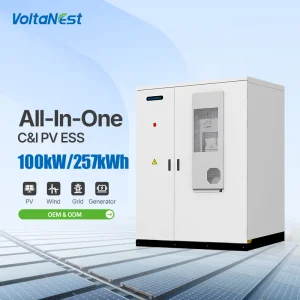
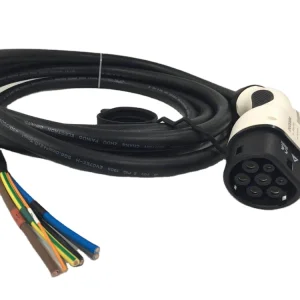
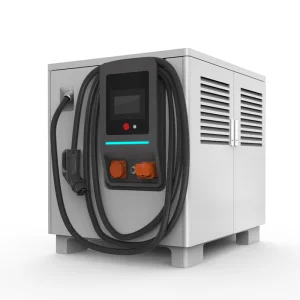
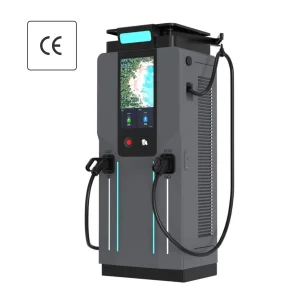
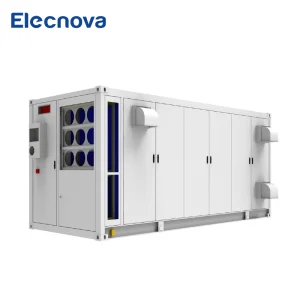
Pioneering modular transportable energy arrays engineered for off-grid operations, C&I load balancing, and heavy utility applications.
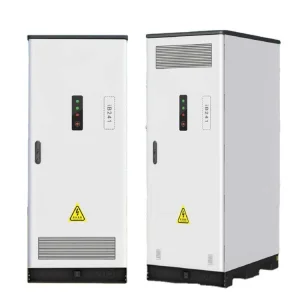
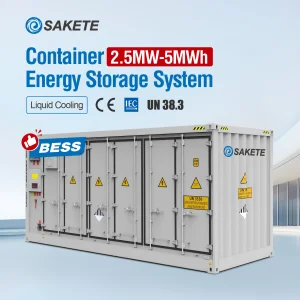
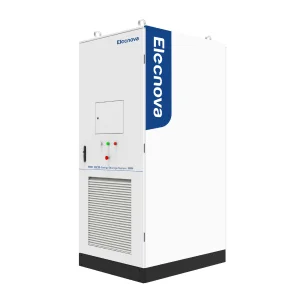
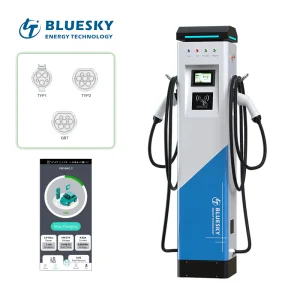
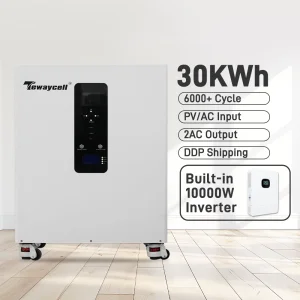
Modern commercial and industrial entities face unprecedented volatility in grid reliability, energy pricing, and regulatory decarbonization mandates. As a result, transportable power solutions—ranging from mobile containerized battery energy storage systems (BESS) to integrated solar-diesel hybrid systems—have transitioned from emergency contingencies to core assets within the corporate energy framework.
Industrial procurement departments now evaluate suppliers not merely on battery capacity, but on complete lifecycle value, rapid deployment capability, thermal management safety, and grid interoperability. Transportable units offer unique capital expenditure advantages, allowing companies to lease, relocate, or scale assets dynamically in response to shifting project timelines or grid connection delays.
Unlike fixed installations, transportable power assets must comply with international transit regulations and dynamic seismic requirements. When selecting a vendor, verify that their structural architecture holds certificate approvals for containerized transportability (such as CSC certification) and complies with local grid connection standards.
How global industries deploy high-capacity transportable energy nodes to optimize operations, guarantee uptime, and transition away from traditional diesel reliance.
Deploying mobile containerized systems allows utility operators to quickly bolster regions experiencing local substation overload. By providing frequency response, voltage support, and peak shaving services directly at vulnerable distribution nodes, these transportable systems postpone capital-intensive substation upgrades and enhance grid reliability.
For high-demand manufacturing operations, transportable battery systems buffer the peak load, reducing hefty demand charges. When integrated with local photovoltaic arrays, the systems optimize self-consumption by storing midday solar energy and releasing it during peak tariff rates, guaranteeing continuous industrial throughput.
Remote resource extraction and civil engineering operations demand stable power where grid access is nonexistent. Heavy-duty transportable energy cabinets withstand extreme temperatures and dust while facilitating smooth integration with on-site diesel generators, slashing diesel fuel consumption and operational carbon footprints.
A professional Energy Storage System Manufacturer specializing in battery energy storage, renewable power integration, and smart energy solutions.
Hangzhou CCSC Energy Co., Ltd. is a professional Energy Storage System Manufacturer specializing in battery energy storage, renewable power integration, and smart energy solutions for residential, commercial, industrial, and utility-scale applications. Based in Hangzhou, China, the company focuses on developing advanced energy storage technologies that help customers improve energy efficiency, enhance power reliability, and support the transition toward sustainable energy systems.
With expertise in energy storage engineering and system integration, CCSC Energy provides comprehensive solutions covering battery energy storage systems (BESS), renewable energy storage integration, commercial and industrial energy storage, backup power systems, microgrid applications, distributed energy infrastructure, and intelligent energy management platforms. Its solutions are designed to support a wide range of applications, including solar energy utilization, peak demand management, grid stabilization, emergency power supply, and energy cost optimization.
The company is committed to delivering safe, efficient, and scalable energy storage solutions tailored to the needs of modern energy users. Its engineering team works closely with customers, project developers, EPC contractors, and energy service providers to design systems that align with specific operational requirements, performance objectives, and regulatory standards. From project planning and system design to manufacturing and technical support, CCSC Energy offers comprehensive services throughout the project lifecycle.
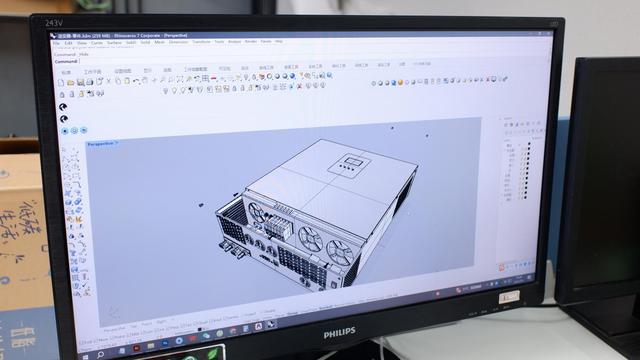
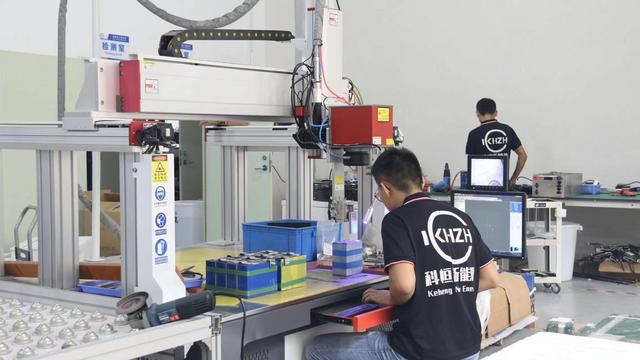
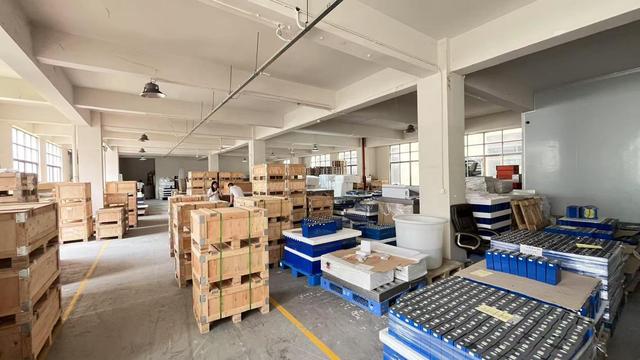
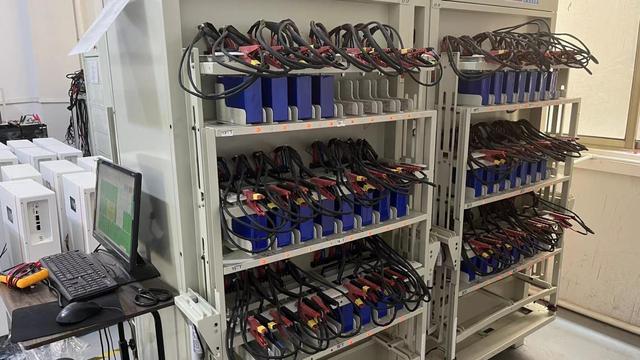
Equipped with advanced manufacturing facilities and stringent quality management processes, the company emphasizes product reliability, operational safety, and long-term performance. Continuous investment in research and development enables CCSC Energy to integrate intelligent monitoring technologies, advanced battery management systems, and smart energy control platforms into its solutions.
Serving customers across Asia, Europe, North America, South America, the Middle East, and other global markets, Hangzhou CCSC Energy Co., Ltd. is dedicated to providing innovative energy storage solutions that support renewable energy adoption, strengthen power resilience, and contribute to a more efficient and sustainable energy future.
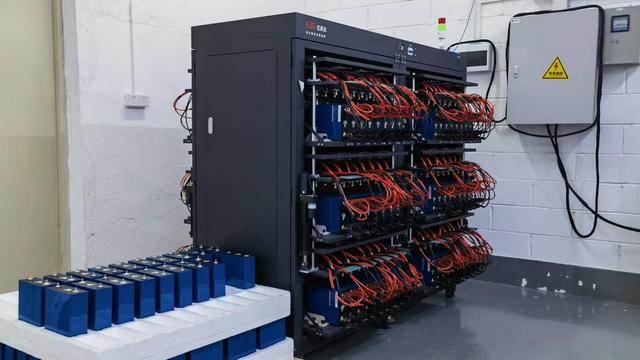
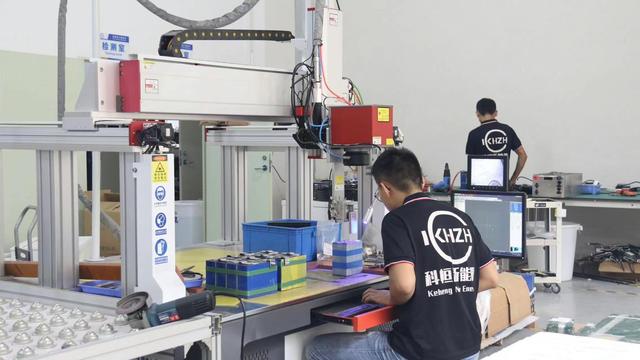
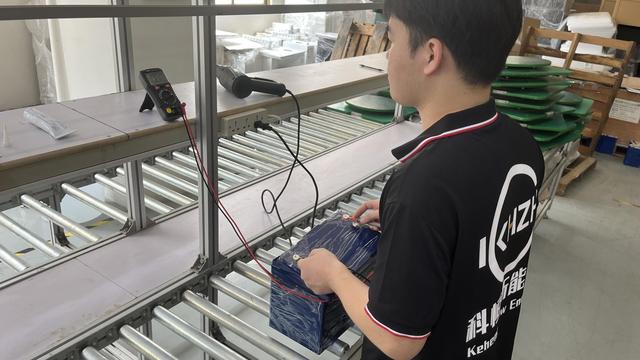
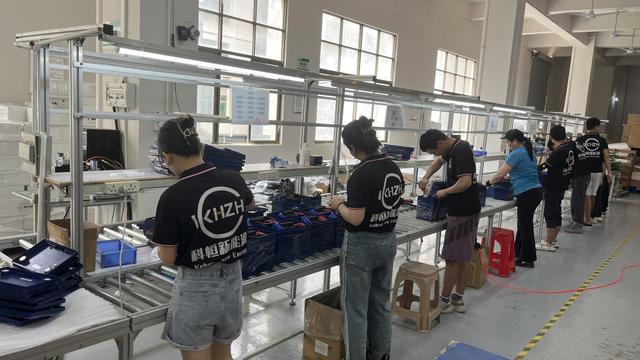
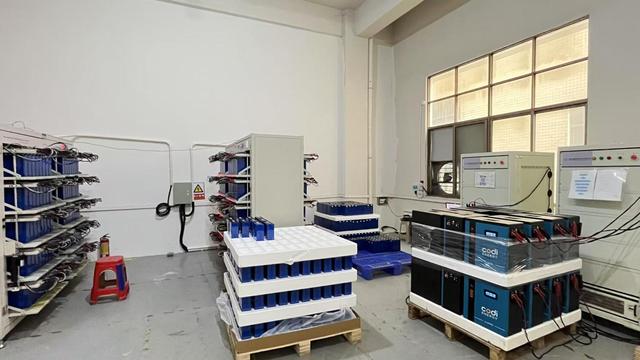
As electrochemical engineering advances, CCSC Energy continues to pioneer technological integration, safety protocols, and battery health intelligence.
While Lithium Iron Phosphate (LiFePO4) remains the dominant chemistry for high-power, fast-cycling transportable cabinets due to its impressive energy density and drop-in configuration, Vanadium Redox Flow Batteries (VRFB) are emerging as the solution of choice for long-duration energy storage projects. VRFB systems suffer zero capacity degradation over tens of thousands of cycles and possess inherent non-flammable qualities, making them highly desirable for critical infrastructure deployments.
CCSC Energy actively designs containerized systems utilizing both chemistries, enabling operators to choose LFP for compact, high-efficiency projects (such as mobile EV fast charging) and VRFB for long-term utility-grade resilience.
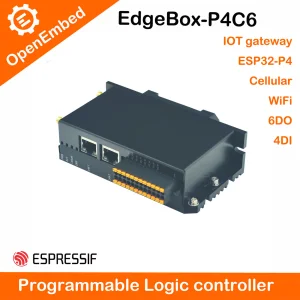
The core of modern transportable power lies in its controls. Integrated SCADA systems and programmable automation controllers (such as the ESP32-P4 and specialized PLC architectures) facilitate real-time monitoring of cell voltages, temperatures, and state-of-charge (SoC). Machine learning algorithms analyze this telemetry to predict thermal runaway risks, optimize battery balance, and prolong operational lifetimes.
Meeting global compliance standards to ensure smooth integration, safe transit, and reliable operation across all markets.
Operating across Asia, Europe, North America, South America, and the Middle East requires strict adherence to localized grid rules and safety codes. CCSC Energy designs systems to meet and exceed local requirements, streamlining your inspection and utility interconnection processes.
All mobile container systems are certified according to international standard schemes. These include UL9540A for thermal runaway fire safety, CE compliance for European markets, and local grid connection regulations (such as EN 50549).
Through specialized engineering partners and regional offices, CCSC Energy guarantees field services, maintenance contracts, replacement logistics, and remote software diagnostics across multiple continents.
Crucial procurement, engineering, and logistics answers for engineering teams and investment decision-makers.
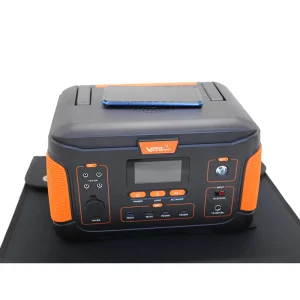
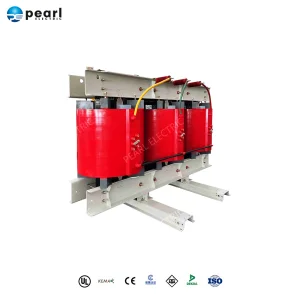
Explore our range of portable solar kits, step-down substations, dynamic automation units, and heavy-duty grid storage systems.
 CCSC Energy