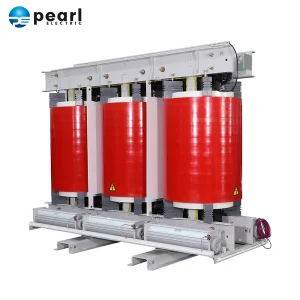
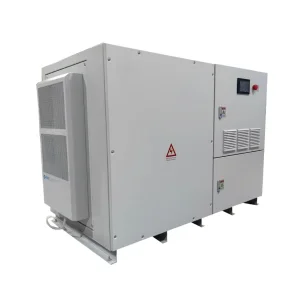
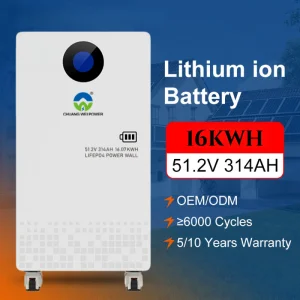
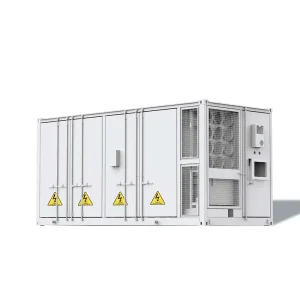
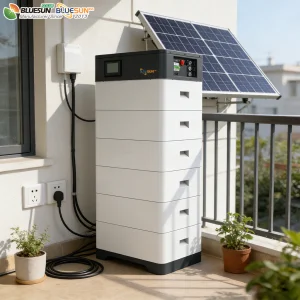
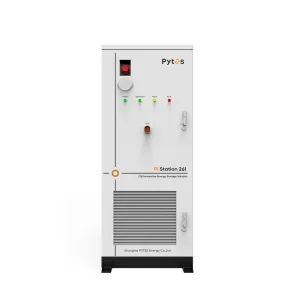
Explore our core engineering catalog designed for residential, commercial utility, and off-grid microgrid integration.
Hangzhou CCSC Energy Co., Ltd. stands at the global frontier of energy system architecture. As a premier energy storage system manufacturer and exporter, we specialize in high-voltage battery storage, smart renewable integration, and comprehensive microgrid technologies. Backed by rigorous engineering standards and deep domain experience, we deliver tailored solutions that transcend the limits of traditional energy architectures.
Our operational capability spans global compliance frameworks, providing developers, EPC contractors, and multinational commercial enterprises with systems that meet strict power reliability and local regulatory targets. By choosing a partner integrated deeply into the advanced supply chain of Hangzhou, China, buyers secure access to top-tier technical expertise, massive cost optimization, and field-tested safety metrics.
Understanding the challenges, drivers, and architectural requirements of modern commercial and industrial energy transition.
The global industrial sector is undergoing a profound paradigm shift. Fluctuating utility prices, carbon mandates, and grid capacity constraints have turned local energy management from an operational cost center into a strategic competitive metric. Commercial and Industrial (C&I) operators, along with utility asset managers, are increasingly seeking Integrated Energy Solutions that blend multiple physical assets into unified, resilient systems.
In regions like North America and Western Europe, the rapid integration of high-voltage battery storage systems (BESS) is driven by demand-charge avoidance and peak-shaving benefits. Meanwhile, in emerging markets across South America, the Middle East, and Asia, off-grid microgrids and local renewable integrations are essential to counter high grid instability and fuel-logistic costs for remote remote operations. The transition to clean, reliable power requires smart engineering that reconciles variable solar generation with continuous industrial load profiles.
Real-time active and reactive power response to voltage and frequency fluctuations. Ensures plant protection against sub-cycle transients and line drops.
Peak shaving and load shifting strategies that store low-cost off-peak energy and dispatch it during high-rate peak demand windows.
Seamless transition to islanding mode during utility blackouts, providing continuous power loops to critical production lines.
Why Chinese top energy exporters deliver unmatched technological integration, quality control, and capital efficiency.
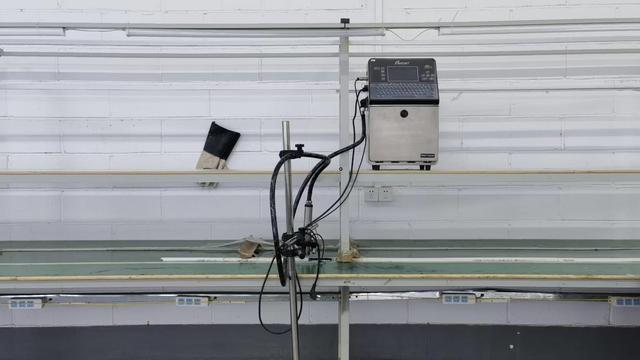
China's position as the global hub for integrated energy technology is built on a mature raw-material and technological supply chain. From chemical processing of raw lithium carbonate to high-precision cell fabrication and automated module packing, China-based manufacturers like Hangzhou CCSC Energy Co., Ltd. leverage unparalleled supply ecosystems to ensure product consistency.
This localized supply density directly translates into major performance and economic benefits:
Analyzing key components, operating protocols, and functional specifications across our primary portfolio.
When selecting systems from energy solutions exporters, engineers and procurement managers must assess core parameters across energy storage systems (BESS) and management layers. Integrated systems require close synchronization between the battery cells, the Battery Management System (BMS), the Power Conversion System (PCS), and the high-level Energy Management System (EMS).
| System Type | Key Components | Optimal Application Scenario | Protocols & Standards |
|---|---|---|---|
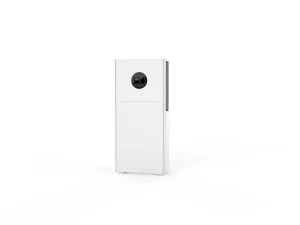
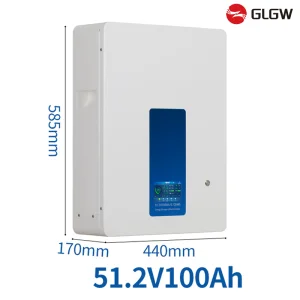
| Residential All-In-One | LiFePO4 Pack, Hybrid Inverter, Smart Touch UI | Home PV integration, peak backup, off-grid storage | CAN, RS485, CE, UN38.3 |
| Commercial Cabinet (C&I) | Liquid/Air Cooled Battery Racks, integrated Fire Suppression, PCS | Factory peak-shaving, peak demand control, EV charger buffering | Modbus TCP, IEC 62619, UL9540A |
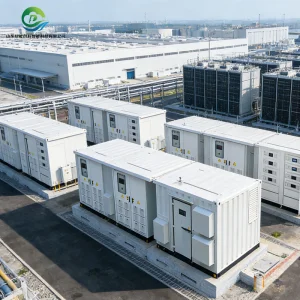
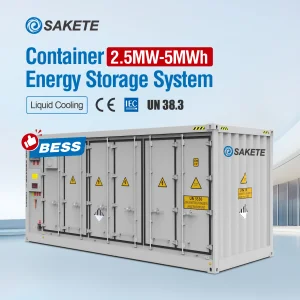
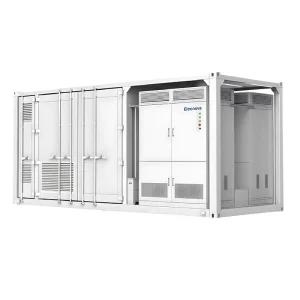
| Utility Containerized BESS | 20ft/40ft liquid cooled battery systems, central step-up transformers | Utility grid frequency control, renewable integration, wind/solar farms | IEC 61850, DNP3, local grid codes |
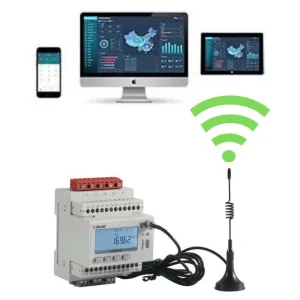
| Metering & Monitoring | Multi-circuit energy meters, Gateway hardware, Cloud EMS | Sub-metering, power quality logging, dynamic remote dispatch | WiFi, 4G, LoRaWAN, Modbus RTU |
How Hangzhou CCSC Energy solutions adapt to diverse operational requirements and environmental demands worldwide.
For industrial parks in high-tariff zones, our systems continuously monitor total grid intake. During peak consumption periods, the BESS automatically discharges energy to run machinery, keeping grid draw below the peak surcharge limit and saving thousands in utility fees monthly.
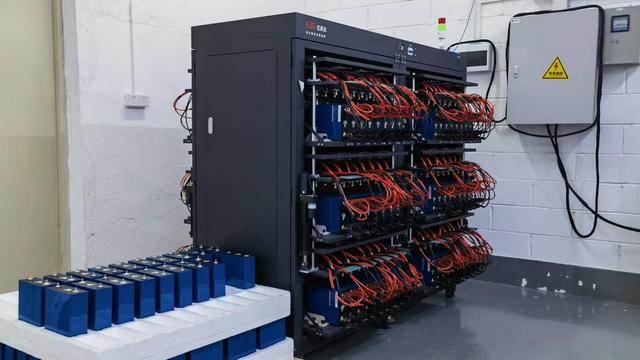
High-speed electric vehicle charging networks strain local distribution grids. Integrating a 16kWh to 215kWh storage buffer helps stations absorb massive demand spikes locally, avoiding local grid upgrades and allowing smooth continuous operation.
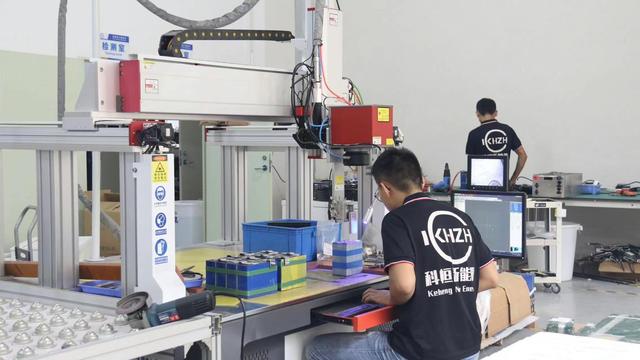
Remote mining facilities, agricultural operations, and island resorts use microgrid ESS containers combined with solar and backup diesel. This significantly lowers fuel transportation costs and ensures a steady, clean power supply in remote areas.
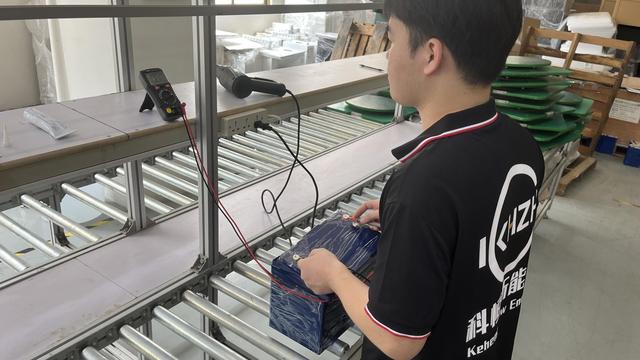
Critical engineering considerations, cell chemistry, and logistics compliance metrics for international procurement managers.
Purchasing large-scale utility and industrial energy systems requires evaluating more than just the baseline price per kilowatt-hour. To ensure long-term durability and safety, procurement managers must evaluate several technical points:
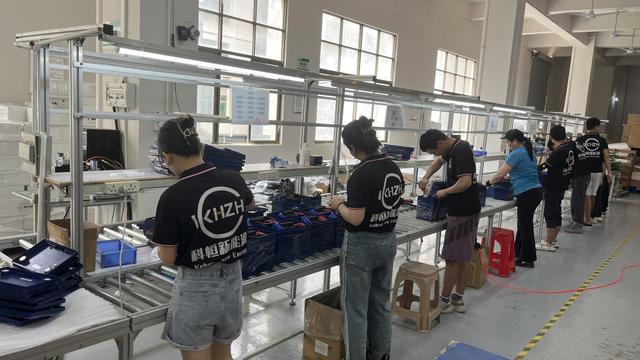
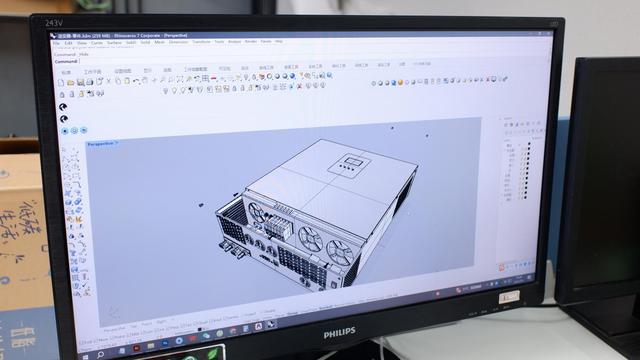
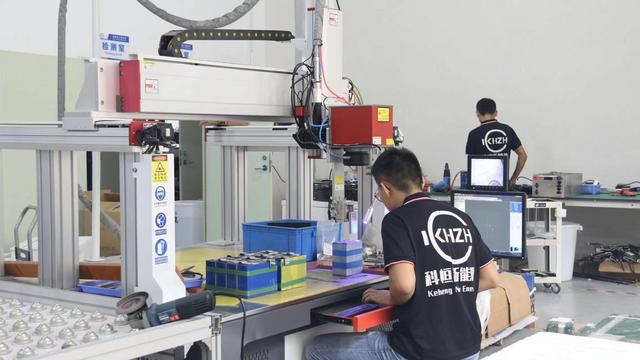
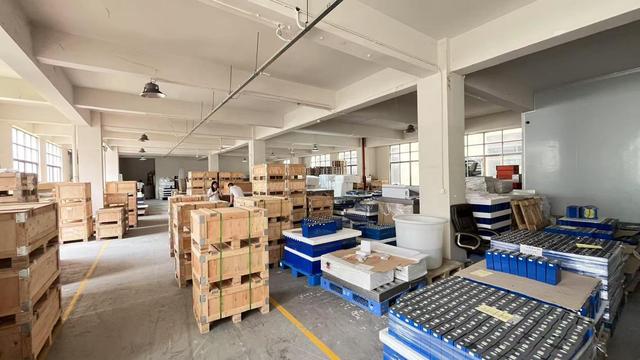
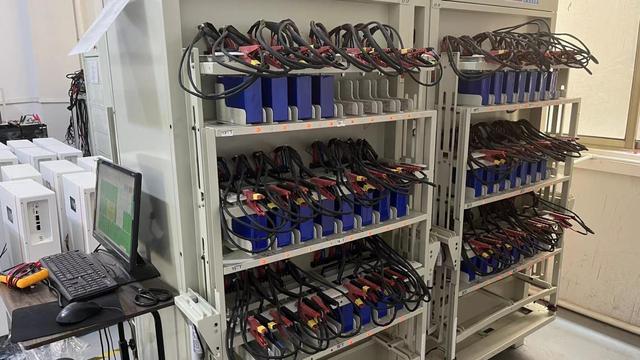
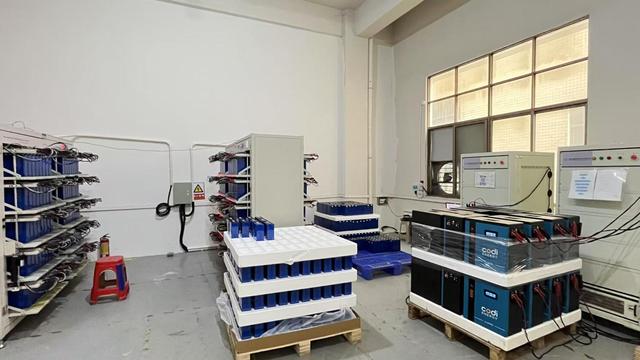
A leading force in industrial battery assembly, system design, and global logistics execution.
Hangzhou CCSC Energy Co., Ltd. is a professional Energy Storage System Manufacturer specializing in battery energy storage, renewable power integration, and smart energy solutions for residential, commercial, industrial, and utility-scale applications. Based in Hangzhou, China, the company focuses on developing advanced energy storage technologies that help customers improve energy efficiency, enhance power reliability, and support the transition toward sustainable energy systems.
With expertise in energy storage engineering and system integration, CCSC Energy provides comprehensive solutions covering battery energy storage systems (BESS), renewable energy storage integration, commercial and industrial energy storage, backup power systems, microgrid applications, distributed energy infrastructure, and intelligent energy management platforms. Its solutions are designed to support a wide range of applications, including solar energy utilization, peak demand management, grid stabilization, emergency power supply, and energy cost optimization.
The company is committed to delivering safe, efficient, and scalable energy storage solutions tailored to the needs of modern energy users. Its engineering team works closely with customers, project developers, EPC contractors, and energy service providers to design systems that align with specific operational requirements, performance objectives, and regulatory standards. From project planning and system design to manufacturing and technical support, CCSC Energy offers comprehensive services throughout the project lifecycle.
Equipped with advanced manufacturing facilities and stringent quality management processes, the company emphasizes product reliability, operational safety, and long-term performance. Continuous investment in research and development enables CCSC Energy to integrate intelligent monitoring technologies, advanced battery management systems, and smart energy control platforms into its solutions.
Serving customers across Asia, Europe, North America, South America, the Middle East, and other global markets, Hangzhou CCSC Energy Co., Ltd. is dedicated to providing innovative energy storage solutions that support renewable energy adoption, strengthen power resilience, and contribute to a more efficient and sustainable energy future.
Answering crucial technical, integration, and safety questions for developers and system operators.
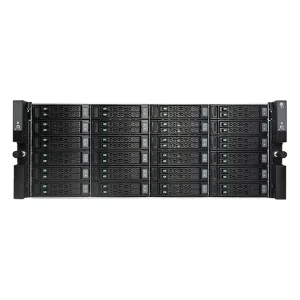
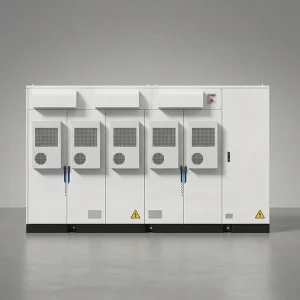
Select specialized equipment, high-density flash arrays, and large container configurations for commercial projects.
 CCSC Energy