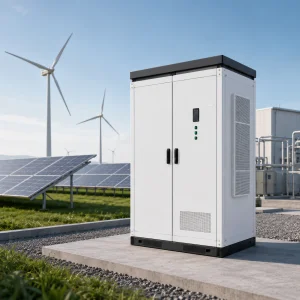
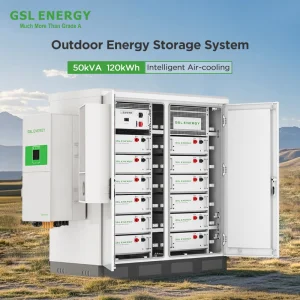
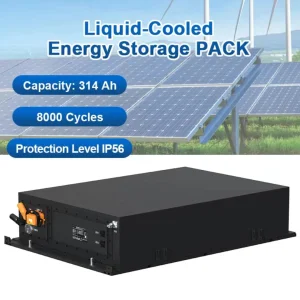
High-capacity lithium battery packs and liquid-cooled cabinet solutions specifically modified to stabilize localized grid demands and mitigate high peak tariffs.
Turkey stands as a critical industrial hub bridging Europe and Asia, characterized by dynamic manufacturing corridors and high-density industrial zones known as **Organized Industrial Zones (OSBs - Organize Sanayi Bölgeleri)**. In recent years, Turkey's rapid economic expansion and heavy industrial sectors—spanning steel production, textiles, automotive fabrication, and chemical processing—have driven electricity consumption to historic highs. However, this growth has strained the national grid managed by **TEİAŞ**, exposing industrial operators to severe volatility in market clearing prices (MCP) and escalating network service charges.
For Turkish industrial consumers, energy costs represent a massive share of operating expenditures. Under the current Turkish electricity market framework, commercial tariffs are heavily structured around multi-tier Time-of-Use (ToU) billing, where the cost of power during peak hours (typically between 17:00 and 22:00) is drastically higher than daytime or night-time rates. Additionally, factories face harsh penalties for exceeding their contracted maximum capacity limit (referred to in local grid billing as *güç aşım bedeli*).
To align with global carbon-neutral goals and reduce its reliance on imported natural gas, the Turkish government has introduced key regulatory updates through the Energy Market Regulatory Authority (**EPDK**). New regulations encourage hybrid power generation, allowing commercial facilities to integrate solar PV plants with co-located BESS infrastructure. This regulatory shift makes behind-the-meter battery storage not just a tool for peak demand management, but an essential component for grid compliance, ancillary service markets, and carbon-reduction initiatives under the EU's incoming Carbon Border Adjustment Mechanism (CBAM), which directly impacts Turkish exporters.
On the international stage, the utility-scale and commercial BESS landscape has transitioned rapidly toward higher energy densities, longer cycles, and enhanced safety parameters. The choice of thermal management system is critical for peak shaving performance in Turkey's diverse climate zones—where summer temperatures in industrial areas like Adana, Izmir, and Gebze can easily exceed 40°C.
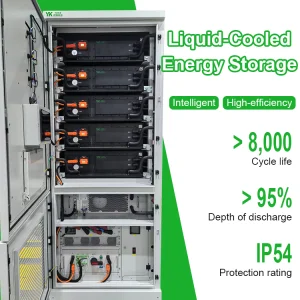
Conventional Air-Cooled systems utilize fans and HVAC ducts to distribute cool air across battery racks. While cost-effective for small-scale projects, air cooling often results in temperature differentials across cells, accelerating localized cell degradation. In contrast, advanced **Liquid-Cooled systems** route coolant plates directly between cells. This technology ensures cell temperature variance is maintained within ±2.5°C. Minimizing thermal gradients across the pack prevents hot spots, mitigates the risk of thermal runaway, and extends the operational life of the LFP battery bank by up to 20%, resulting in a significantly higher Return on Investment (ROI).
Engineered to deliver high thermal stability and rapid response times for complex multi-megawatt industrial installations across Turkey.
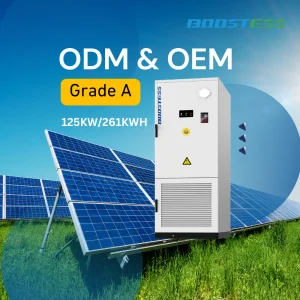
As a leading brand in China’s high-tech battery sector, **Hangzhou CCSC Energy Co., Ltd.** operates at the forefront of the global energy transition. Based in the technological hub of Hangzhou, China, our company leverages Chinese supply chain efficiencies, rapid prototyping capacities, and automated manufacturing systems to deliver safe, Tier-1 quality BESS solutions to the Turkish market at optimized cost levels.
Our competitive advantage lies in vertical integration. From cell characterization and battery pack assembly to the development of our proprietary **Battery Management System (BMS)** and **Energy Management System (EMS)**, every step of the manufacturing lifecycle is monitored under strict ISO 9001 and ISO 14001 guidelines. Key elements of our production efficiency include:
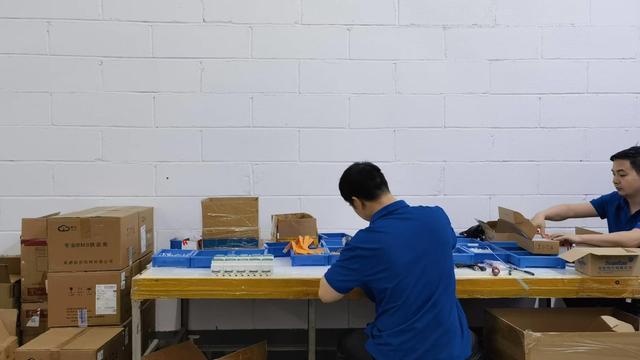
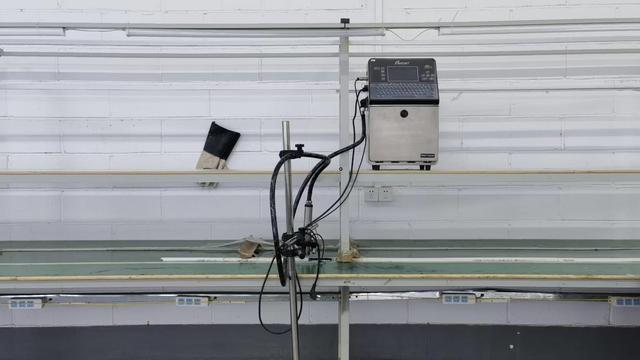
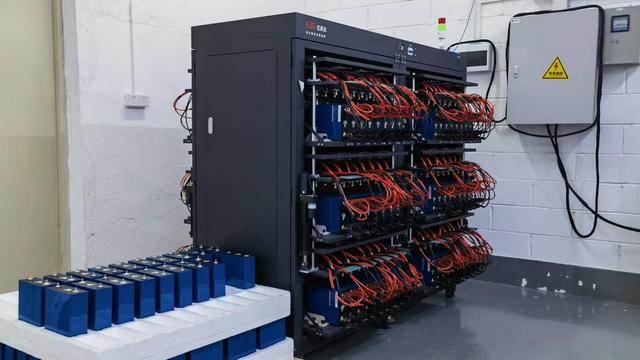
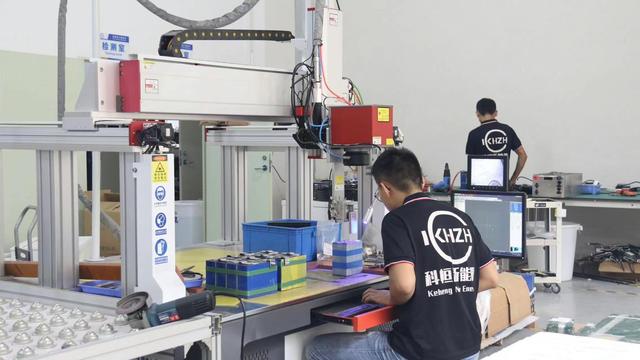
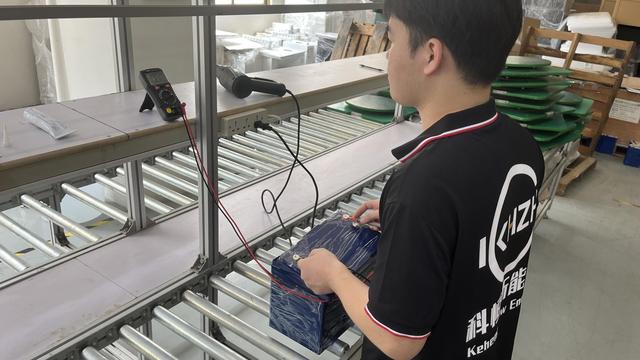
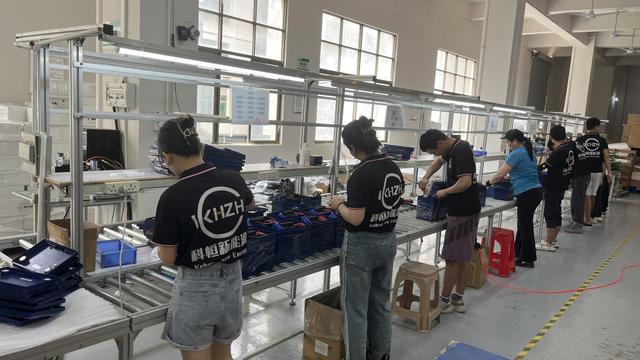
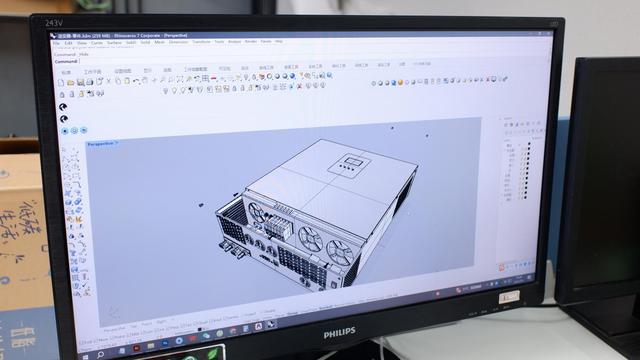
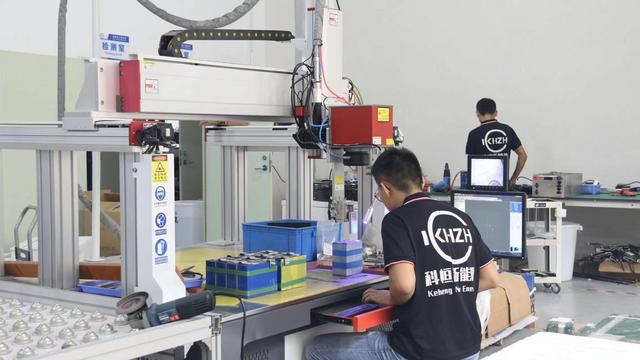
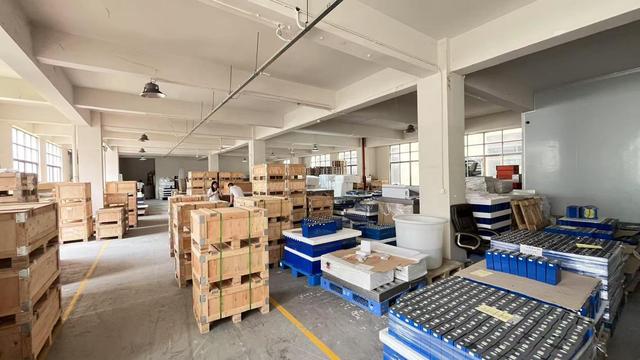
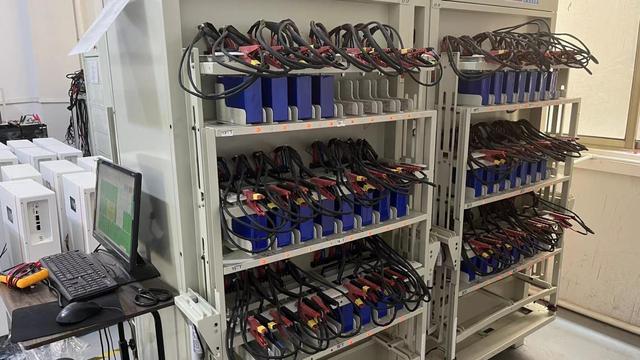

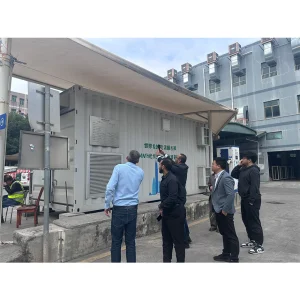
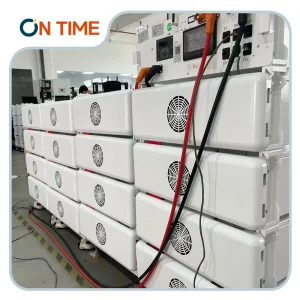
*Inside Hangzhou CCSC Energy's state-of-the-art facilities showing fully integrated production of battery pack models, modules, liquid cooling systems, and large-scale industrial containers.
To maximize information gain and assist local procurement and engineering decision-makers, we analyze three primary applications of peak-shaving systems within the Turkish commercial landscape:
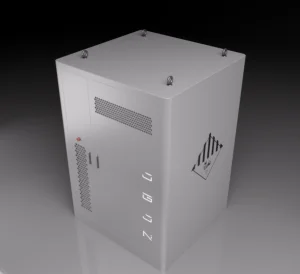
Heavy factories in Bursa, Denizli, and Gaziantep operate motors and machinery that cause massive current spikes upon startup. Co-locating our high-voltage ESS cabinets enables industrial facilities to draw instantaneous current from the batteries rather than pulling peak spikes from the OSB grid network, preventing expensive capacity surcharge penalties.
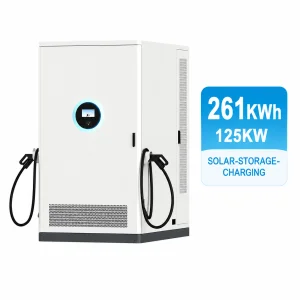
With the rapid roll-out of Turkey's domestic EV brand (Togg) and public charging stations along the main Istanbul-Ankara highway corridors, fast chargers (120kW to 350kW DC) generate heavy peak loads. Buffer-storage BESS cabinets balance the grid demand, providing fast-charge delivery without requiring upgrade of substation transformers.
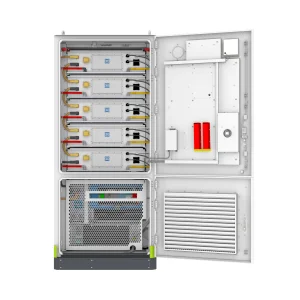
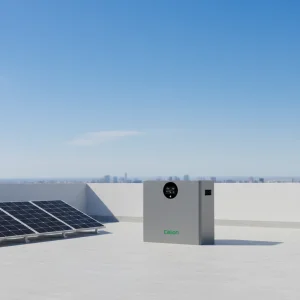
In solar-rich areas like Aegean and Mediterranean regions, commercial rooftops struggle with grid injection limits. Integrating outdoor BESS cabinets allows companies to capture excess generation during the day and release it precisely during the high-tariff peak night hours, shifting solar energy use for maximum ROI.
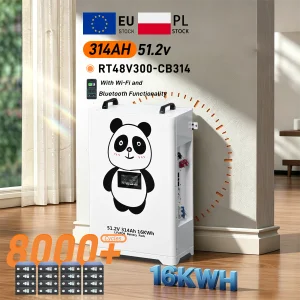
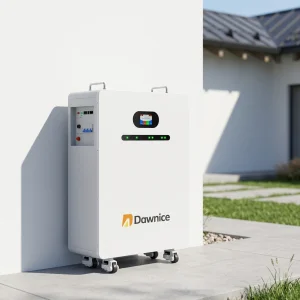
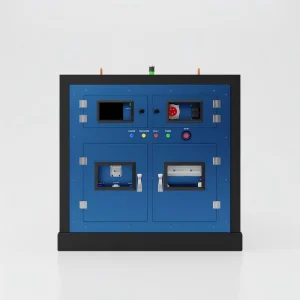
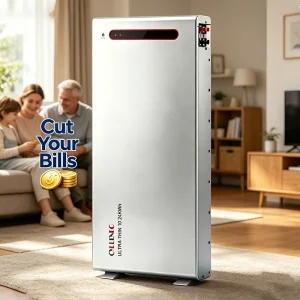
From modular containerized solutions to wall-mounted home backup storage, browse our CE-certified systems engineered for safety and efficiency.
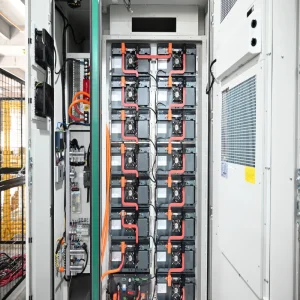
When selecting a manufacturer for large-scale C&I energy storage systems, procurement managers and project developers in Turkey must evaluate multiple critical factors beyond upfront capital expenditures (CAPEX). High reliability, warranty longevity, technical compatibility, and logistics support are paramount to project success.
LiFePO4 (Lithium Iron Phosphate) has become the global industry standard for stationary energy storage due to its exceptional thermal stability and long cycle life compared to NMC (Nickel Manganese Cobalt) chemistries. When negotiating supply agreements with Chinese factories, verify that the cells used are Tier-1 brand new cells (such as CALB, CATL, or EVE) with a rated cycle life of 6000 cycles or more at 80% Depth of Discharge (DoD) under 0.5C/0.5C charge-discharge rates. This ensures the BESS operates effectively for 10 to 15 years.
To clear Turkish customs and obtain utility grid connection approvals from **TEİAŞ / EPDK**, BESS cabinets must conform to European standards. Ensure your manufacturer provides third-party certified test reports for:
The brain of the BESS is its control architecture. Our systems feature multi-tier BMS protection (Cell, Module, Rack, and System levels) with integrated communication interfaces (RS485, CAN, Ethernet) supporting Modbus TCP/IP protocols. This allows seamless remote monitoring and integration with the factory's existing SCADA systems or building energy management systems (BEMS).
For a detailed analysis of Levelized Cost of Storage (LCOS), procurement teams must calculate the total energy throughput over the system's lifetime. Chinese manufacturing efficiencies reduce initial capital costs, allowing Turkish industrial operators to achieve amortization and payback periods of 4 to 6 years, depending on peak tariff spreads and local OSB policies.
Answers to key regulatory, technical, and commercial questions regarding Peak Shaving BESS integration in Turkey.
Consult with our engineers to design a custom Peak Shaving Battery Energy Storage System (BESS) tailored to your factory's specific load profile and local grid requirements in Turkey.
Send Inquiry Now CCSC Energy