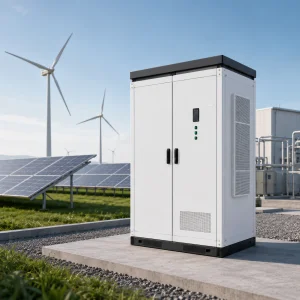
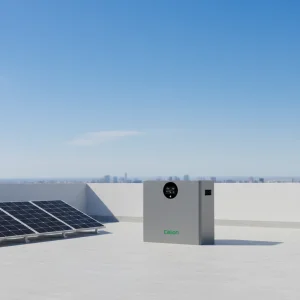
Engineered for demand charge reduction, voltage stability, and seamless integration across Argentina's industrial corridors.
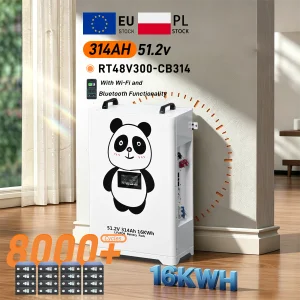
Argentina's energy landscape is defined by its unique geographic scale and localized energy production. The Argentine Interconnection System (SADI - Sistema Argentino de Interconexión) links generation resources across regions but faces severe congestion bottlenecks during periods of high demand. Large industrial hubs in the Buenos Aires Metropolitan Area (AMBA), Córdoba, and Rosario, alongside resource extraction zones in Neuquén (Vaca Muerta shale fields) and the northern lithium triangle, suffer from structural capacity constraints.
For Argentinian C&I (Commercial & Industrial) enterprises, electricity supply reliability is a primary business concern. Wholesale electricity pricing governed by CAMMESA (Compañía Administradora del Mercado Mayorista Eléctrico Sociedad Anónima) penalizes peak demand heavily through capacity charges (cargos por potencia). Additionally, localized voltage drops, frequency fluctuations, and planned load shedding present significant operational risks. Peak shaving energy storage solutions represent a vital tool for local businesses, enabling factories and mines to shave peak loads, prevent power quality incidents, and lower overall tariff profiles.
Industrial electricity billing in Argentina typically splits costs into consumption (kWh charges) and demand (peak kW capacity charges). The capacity charge is calculated based on the highest recorded active power consumption during specified billing intervals. If a factory spikes its electricity consumption for even 15 minutes due to heavy machinery startup (e.g., induction furnaces, large compressors, or crushing units), the capacity charge is locked in at that elevated level for the entire billing cycle.
By implementing a localized Battery Energy Storage System (BESS) configured for peak shaving, operators can set a hard limit on power drawn from the grid. When the factory's real-time consumption approaches this limit, the intelligent Energy Management System (EMS) automatically triggers the discharge of the batteries, supplying the required deficit. Conversely, during low-activity intervals (such as night shifts or off-peak hours), the batteries are charged at lower tariff rates. This process, known as load shifting and peak shaving, directly lowers capacity fees and optimizes energy efficiency.
Industrial-grade specifications designed to handle severe grid anomalies, extreme temperatures, and high-frequency cycling.
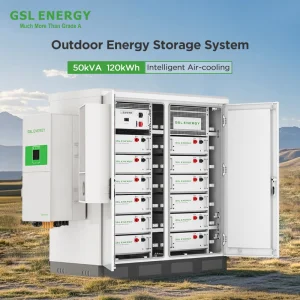
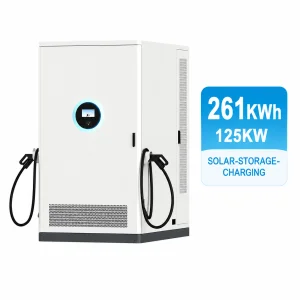
Scalable outdoor storage systems built for heavy commercial, remote mining, and charging station infrastructures in Argentina.
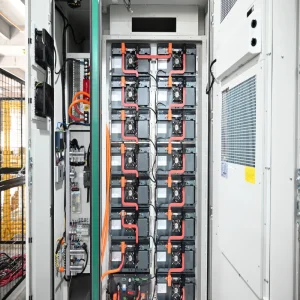
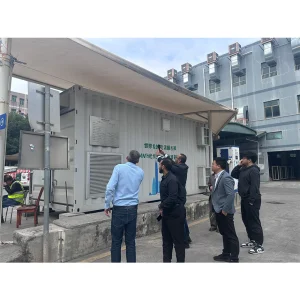
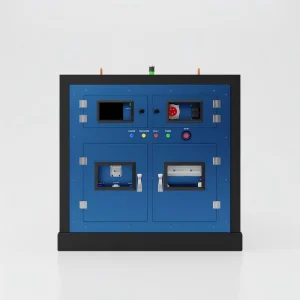
The choice of energy storage chemistry dictates the operating parameters, safety matrix, and project economics. Lithium Iron Phosphate (LiFePO4) has emerged as the optimal chemistry for stationary industrial BESS applications. Compared to Nickel Manganese Cobalt (NMC), LiFePO4 offers superior thermal runaway resistance, non-toxic composition, and double the cycle life under similar charging profiles. This is vital in Argentina's inland desert climates (such as Mendoza, San Juan, or Jujuy), where ambient temperatures can fluctuate from below freezing to over 40°C.
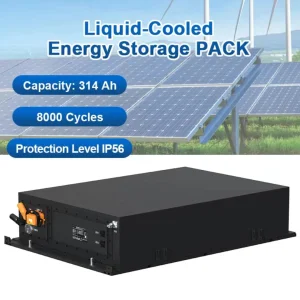
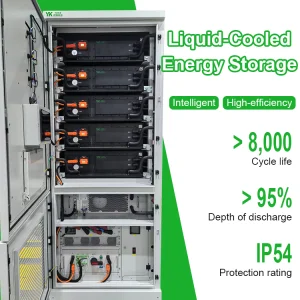
Thermal management represents a key differentiator in BESS design. Conventional forced-air cooling systems struggle with localized hot spots within the battery racks, causing uneven aging of cells. Liquid Cooling Systems, which circulate coolant directly around the battery modules, maintain a temperature differential of less than 2°C across the system. This thermal uniformity not only mitigates fire risks but also extends overall battery cycle life by up to 20%, ensuring that industrial operators in Argentina achieve the longest possible operational life from their investment.
For many Argentinian operations—particularly remote agricultural processing plants, wine estates in the Valle de Uco, and high-altitude mining sites in the Andes—a reliable connection to the national grid is either non-existent or highly unstable. In these off-grid or weak-grid environments, peak shaving systems are combined with onsite solar PV arrays and diesel generators to form robust, self-sustaining microgrids.
In these configurations, the BESS performs multiple dynamic operations:
Evaluating a peak shaving investment requires a thorough analysis of capital expenditure (CapEx) against long-term operational savings (OpEx). While BESS represents a front-loaded capital cost, the rapid payback period in Argentina is driven by three main economic factors:
Under typical tariff structures applied to industrial consumers in major metropolitan areas, a properly sized BESS for peak demand management yields a project payback period of 3 to 5 years, with the system continuing to deliver operational savings for over 15 years.
Connecting commercial storage systems to the Argentine electrical grid requires compliance with strict safety standards. The National Electricity Regulatory Entity (ENRE - Ente Nacional Regulador de la Electricidad) governs grid-tie certification. Systems must comply with international testing certifications, including IEC 62619 for lithium cell safety, IEC 62477 for power conversion systems (PCS), and UL 9540A for thermal runaway fire testing.
As a global manufacturer, Hangzhou CCSC Energy Co., Ltd. ensures that all exported systems are pre-engineered to meet these compliance marks, simplifying the local engineering approval process and accelerating the timeline to commercial operation.
Providing technical solutions designed to address specific grid infrastructure, climatic, and regulatory challenges across South America.
Hangzhou CCSC Energy Co., Ltd. is a professional Energy Storage System Manufacturer specializing in battery energy storage, renewable power integration, and smart energy solutions for residential, commercial, industrial, and utility-scale applications. Based in Hangzhou, China, the company focuses on developing advanced energy storage technologies that help customers improve energy efficiency, enhance power reliability, and support the transition toward sustainable energy systems.
With expertise in energy storage engineering and system integration, CCSC Energy provides comprehensive solutions covering battery energy storage systems (BESS), renewable energy storage integration, commercial and industrial energy storage, backup power systems, microgrid applications, distributed energy infrastructure, and intelligent energy management platforms. Its solutions are designed to support a wide range of applications, including solar energy utilization, peak demand management, grid stabilization, emergency power supply, and energy cost optimization.
The company is committed to delivering safe, efficient, and scalable energy storage solutions tailored to the needs of modern energy users. Its engineering team works closely with customers, project developers, EPC contractors, and energy service providers to design systems that align with specific operational requirements, performance objectives, and regulatory standards. From project planning and system design to manufacturing and technical support, CCSC Energy offers comprehensive services throughout the project lifecycle.
Equipped with advanced manufacturing facilities and stringent quality management processes, the company emphasizes product reliability, operational safety, and long-term performance. Continuous investment in research and development enables CCSC Energy to integrate intelligent monitoring technologies, advanced battery management systems, and smart energy control platforms into its solutions.
Serving customers across Asia, Europe, North America, South America, the Middle East, and other global markets, Hangzhou CCSC Energy Co., Ltd. is dedicated to providing innovative energy storage solutions that support renewable energy adoption, strengthen power resilience, and contribute to a more efficient and sustainable energy future.
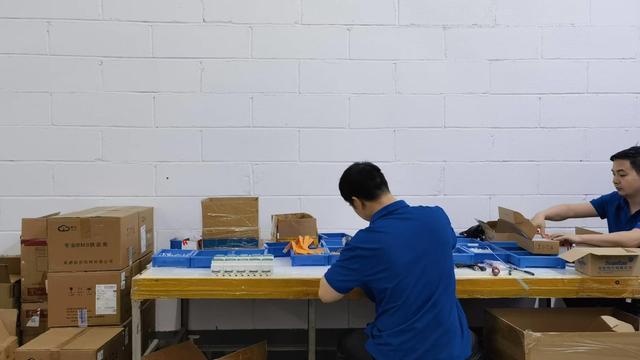
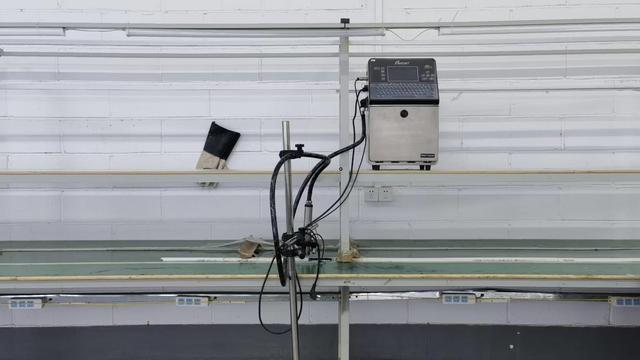
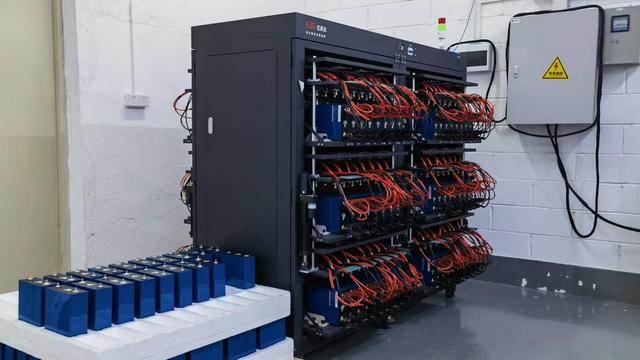
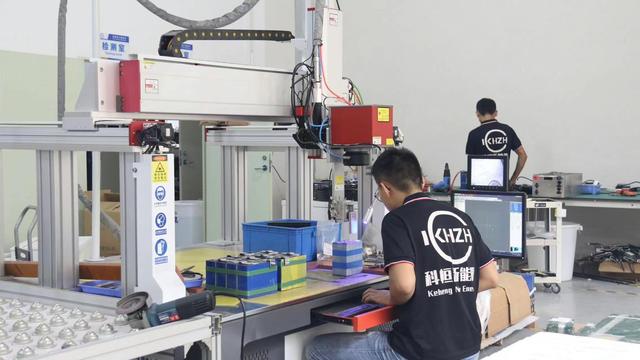
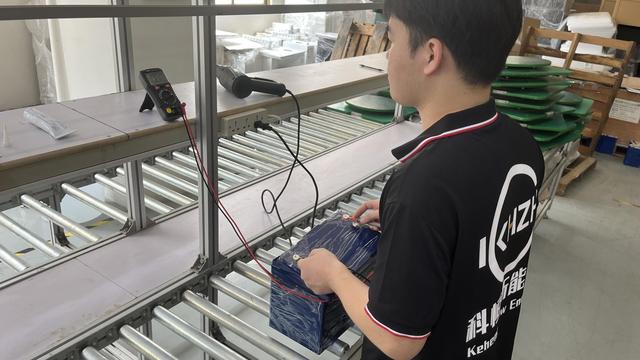
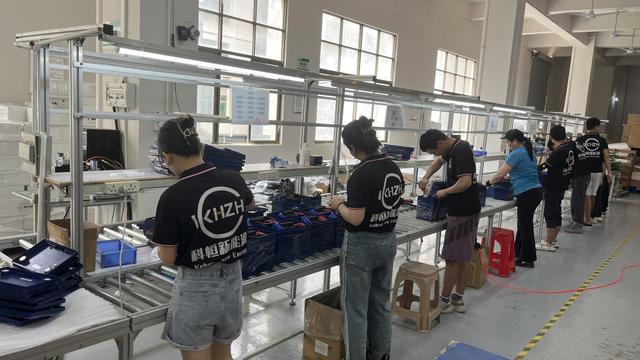
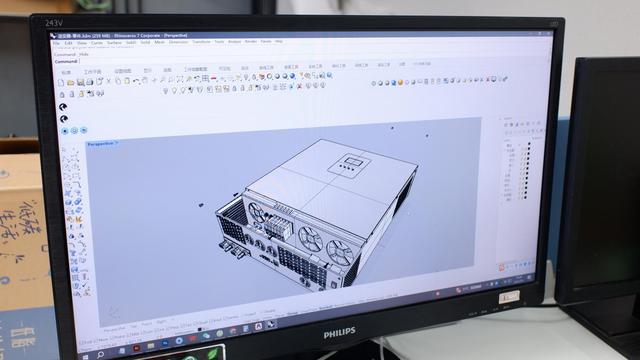
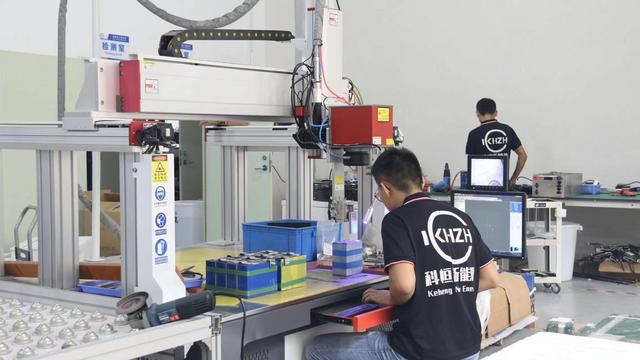
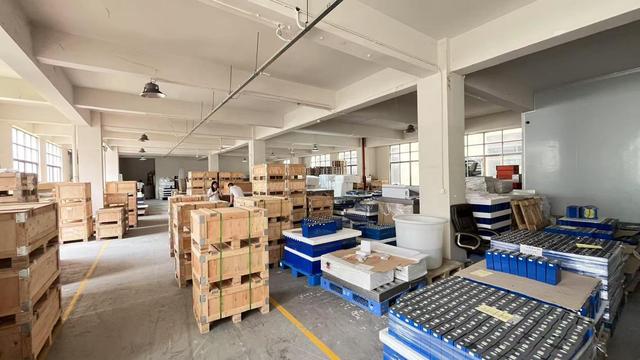
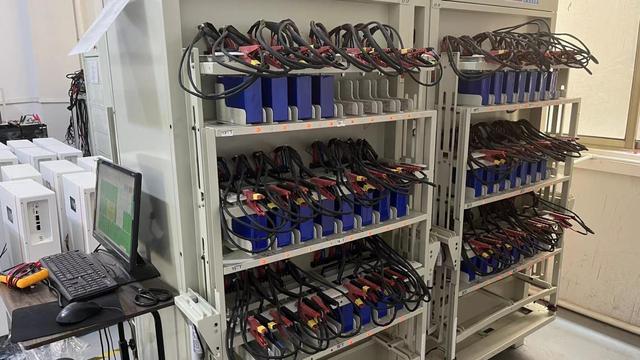
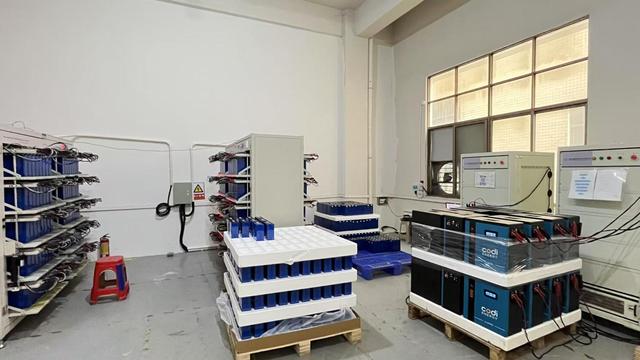
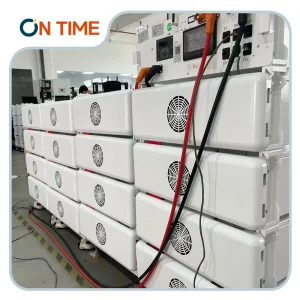
Take a look inside our high-tech assembly and testing facilities in Hangzhou, where quality assurance standards are executed for global markets, including South America.
Answers to key technical questions regarding the installation and performance of peak shaving systems in Argentina.
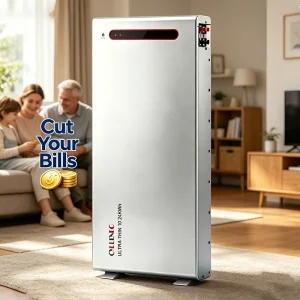
A complete lineup of commercial, residential, and portable battery storage systems serving Argentina's market.
Get in touch with our application engineering team today. We provide full layout design, project sizing calculations, and complete compliance profiles customized for local Argentinian utilities.
 CCSC Energy