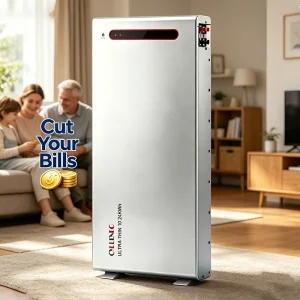
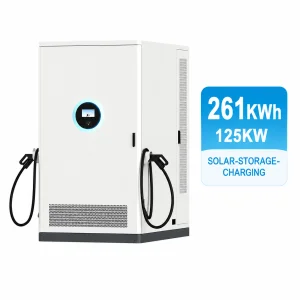
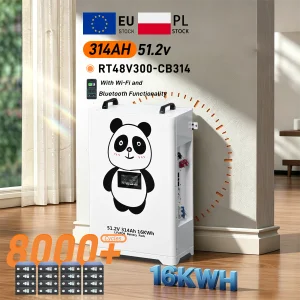
Advanced commercial, industrial, and utility-scale LiFePO4 battery storage platforms engineered to deliver load shifting, microgrid backup, and peak shaving capabilities across Benin.
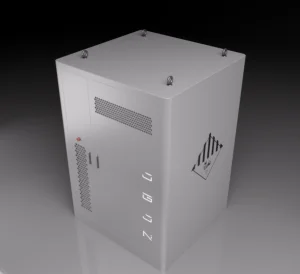
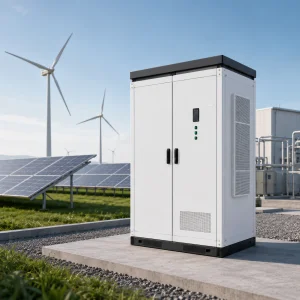
The Republic of Benin is experiencing a structural economic transformation. Key hubs such as Cotonou, the Glo-Djigbé Industrial Zone (GDIZ), and Porto-Novo are expanding rapidly. However, industrial growth is constrained by high energy tariffs, peak-demand surcharge schemes, and grid instability. Benin relies on imported electricity from neighboring transit grids (such as Nigeria and Ghana via the WAPP interconnections), which translates into exposure to sudden tariff spikes and power quality fluctuations.
For Beninese manufacturers, textile millers, cement factories, and agricultural processing plants, managing the peak demand (puissance souscrite) charges levied by the Société Béninoise d'Energie Electrique (SBEE) is a critical challenge. Implementing a dedicated local Battery Energy Storage System (BESS) provides a high-reliability technical solution: charging batteries during off-peak windows or when on-site solar generation is abundant, and discharging them during peak billing intervals to reduce maximum demand charges.
By shifting to an advanced battery energy storage layout, local industrial operations can decrease their dependence on diesel generators. This lowers the Levelized Cost of Electricity (LCOE) while providing critical resilience against frequent utility voltage dips.
Deploying lithium energy storage systems in West Africa requires careful thermal design. Benin's high relative humidity and warm average temperatures (frequently exceeding 35°C in Cotonou and coastal districts) accelerate chemical aging in battery cells if thermal performance is unmanaged.
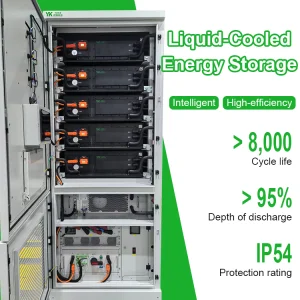
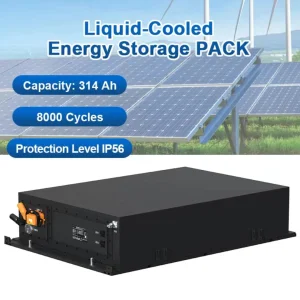
Our technical roadmap focuses on the safety and longevity of LFP (Lithium Iron Phosphate) chemistry. LFP does not contain cobalt, offering structural stability, high cycle life, and safety under high ambient temperatures. Through active cell balancing, our systems ensure that containerized systems up to 1MWh+ retain operational stability for over 10 to 15 years of continuous daily peak-shaving use.
Energy transition projects in Benin require localized, application-specific BESS configurations. Standard systems often underperform due to varying solar availability and grid profiles. We engineer three distinct system classifications tailored for the region:
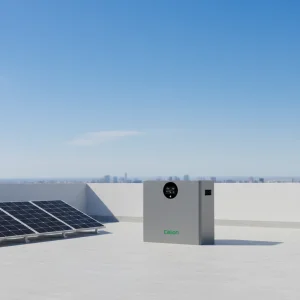
Ideal for remote agricultural processing centers (cotton ginning, cashew processing) in central and northern Benin (e.g., Parakou, Djougou). Integrates solar PV arrays, BESS, and backup diesel generators to establish a clean microgrid that offsets fuel consumption.
Tailored for factories within the GDIZ zone and Cotonou port. Systems dynamically discharge during peak commercial tariff windows (Time of Use - TOU pricing). This configuration helps mitigate steep capacity penalties and stabilizes building voltage levels.
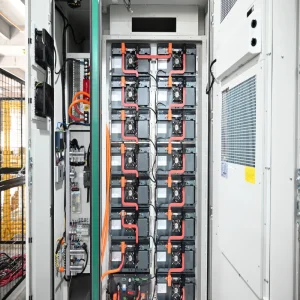
Containerized BESS solutions (1MWh - 5MWh) that interface with substation distribution lines. Provides frequency response, voltage control, and black-start capabilities, assisting SBEE in managing grid reliability during primary feed outages.
Navigating the regulatory framework in West Africa requires adherence to regional and international safety standards. All BESS designs supplied by Hangzhou CCSC Energy to the Benin market meet strict grid interconnection criteria, including:
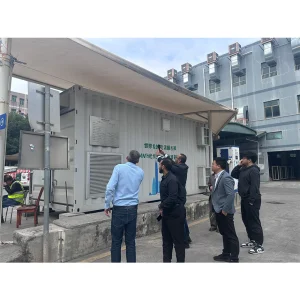
We combine manufacturing in China with localized installation and commissioning services. Our engineering team assists local engineering, procurement, and construction (EPC) contractors in Benin during initial site surveys, layout design, and final integration with local distribution networks.
Furthermore, our systems support remote monitoring. Technical teams can analyze battery cell parameters, system temperatures, and efficiency metrics in real-time, helping to prevent minor anomalies from escalating into operational shutdowns.
Hangzhou CCSC Energy Co., Ltd. is a professional Energy Storage System Manufacturer specializing in battery energy storage, renewable power integration, and smart energy solutions for residential, commercial, industrial, and utility-scale applications. Based in Hangzhou, China, the company focuses on developing advanced energy storage technologies that help customers improve energy efficiency, enhance power reliability, and support the transition toward sustainable energy systems.
With expertise in energy storage engineering and system integration, CCSC Energy provides comprehensive solutions covering battery energy storage systems (BESS), renewable energy storage integration, commercial and industrial energy storage, backup power systems, microgrid applications, distributed energy infrastructure, and intelligent energy management platforms. Its solutions are designed to support a wide range of applications, including solar energy utilization, peak demand management, grid stabilization, emergency power supply, and energy cost optimization.
The company is committed to delivering safe, efficient, and scalable energy storage solutions tailored to the needs of modern energy users. Its engineering team works closely with customers, project developers, EPC contractors, and energy service providers to design systems that align with specific operational requirements, performance objectives, and regulatory standards. From project planning and system design to manufacturing and technical support, CCSC Energy offers comprehensive services throughout the project lifecycle.
Equipped with advanced manufacturing facilities and stringent quality management processes, the company emphasizes product reliability, operational safety, and long-term performance. Continuous investment in research and development enables CCSC Energy to integrate intelligent monitoring technologies, advanced battery management systems, and smart energy control platforms into its solutions.
Serving customers across Asia, Europe, North America, South America, the Middle East, and other global markets, Hangzhou CCSC Energy Co., Ltd. is dedicated to providing innovative energy storage solutions that support renewable energy adoption, strengthen power resilience, and contribute to a more efficient and sustainable energy future.
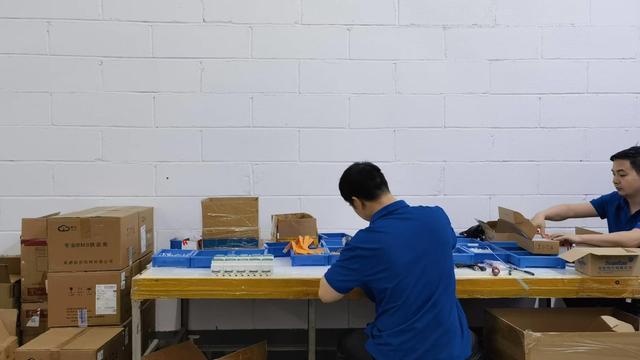
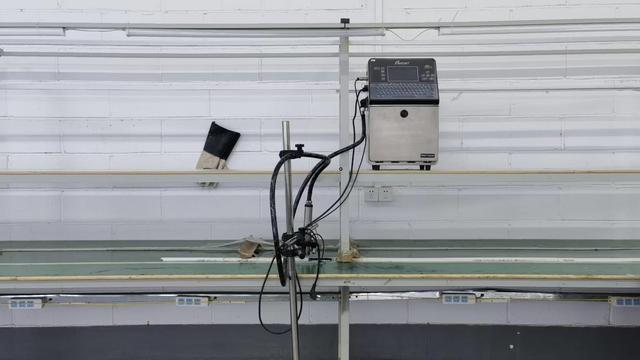
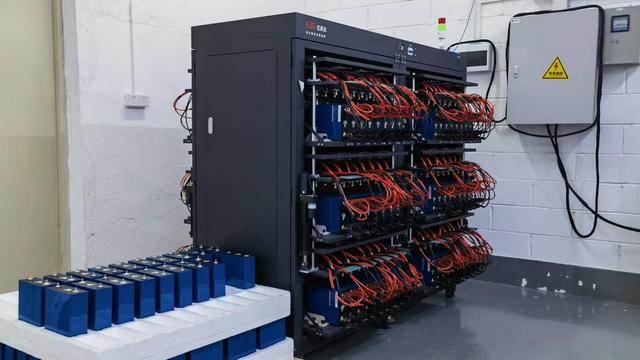
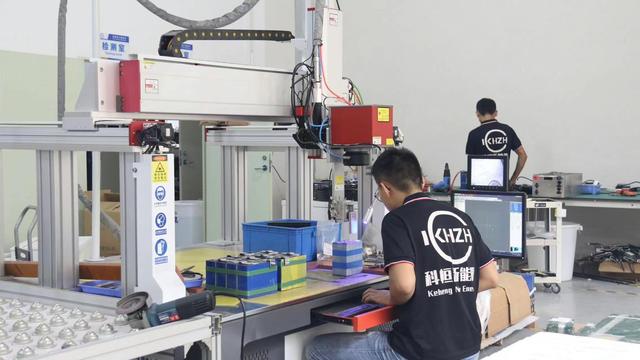
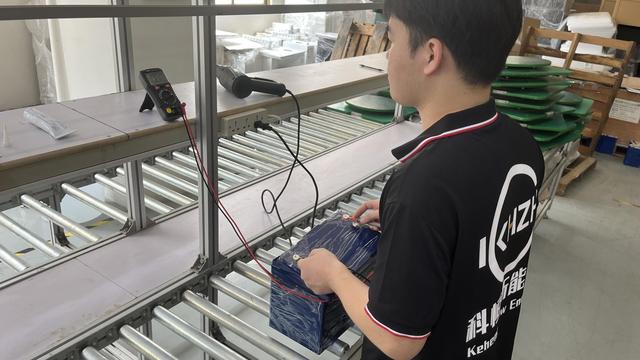
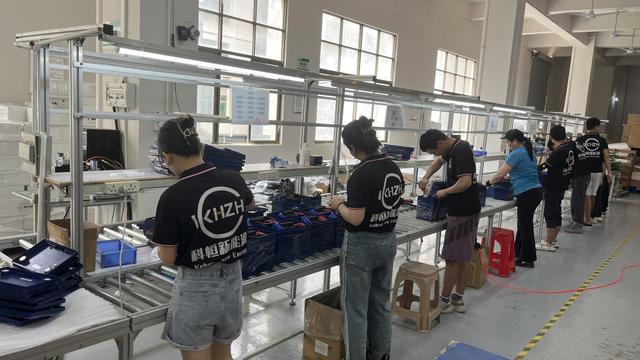
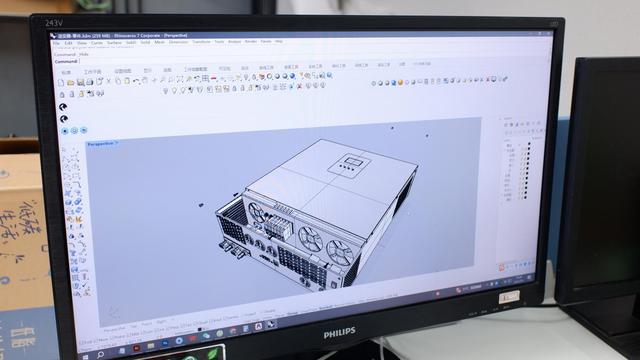
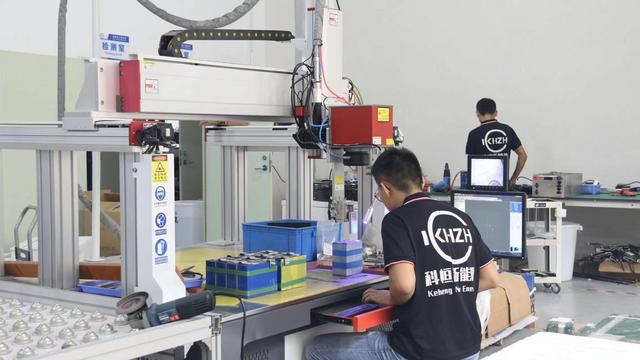
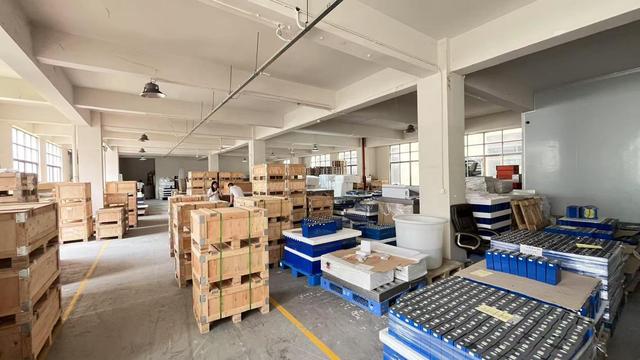
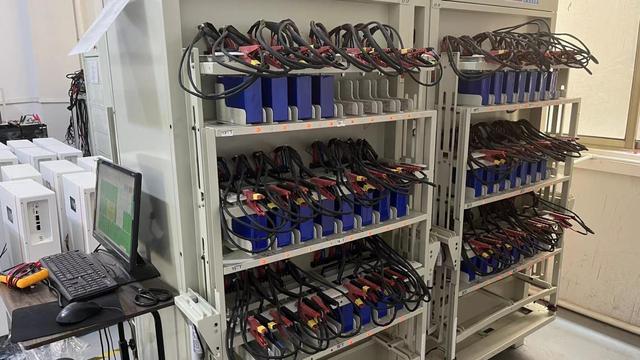
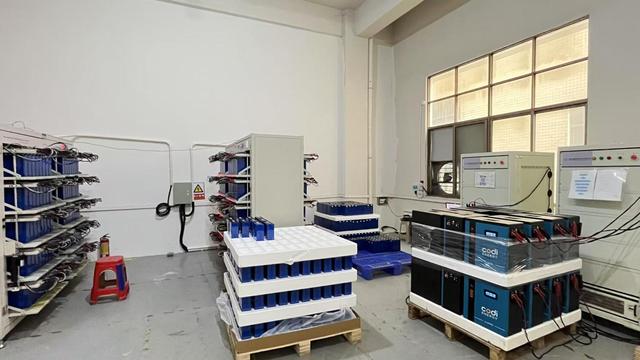
CCSC Energy manufactures its energy storage solutions in an automated Industry 4.0 facility in China. Our integrated production structure provides high cost-efficiency and reliable lead times for industrial partners in Benin and across West Africa.
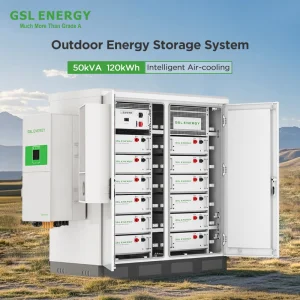
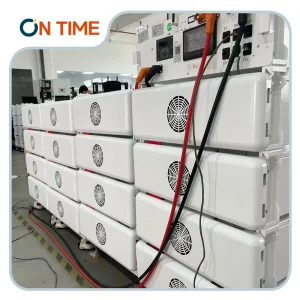
By managing our own battery integration lines, thermal chamber calibration facilities, and high-voltage grid simulation laboratories, we ensure that every outdoor cabinet and containerized system is pre-assembled and fully tested before dispatch. This reduces project installation times at the deployment site.
Our raw material procurement contracts with Tier-1 LFP cell providers protect our supply chains from global material shortages, ensuring consistent delivery schedules for large-scale municipal tenders and private factory retrofits.
Technical guidance regarding design, commercial parameters, and operations for peak shaving systems in West Africa.
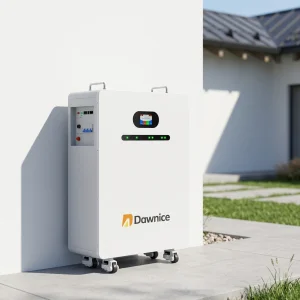
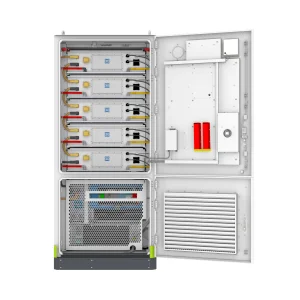
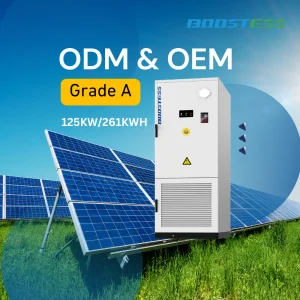
Explore our targeted product range, featuring scalable home backup systems and high-voltage commercial containerized units engineered for regional infrastructure projects.
Get in touch with Hangzhou CCSC Energy's application engineering division. We provide comprehensive load profiling, financial payback modeling (ROI/LCOS), and localized compliance guidance for projects in Benin.
Send Inquiry Now CCSC Energy