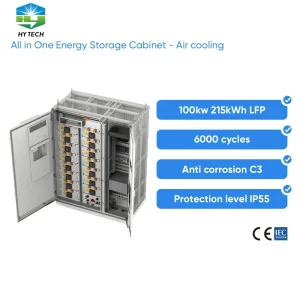
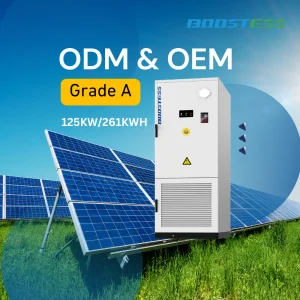
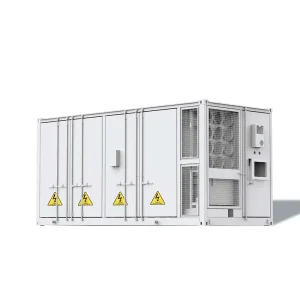
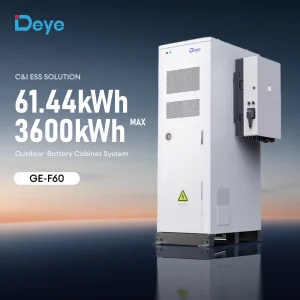
Explore our core product lineup featuring advanced LiFePO4 chemistry, intelligent liquid cooling, and integrated hybrid topologies designed for global scale.
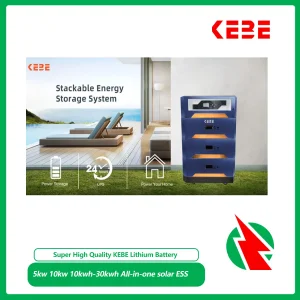
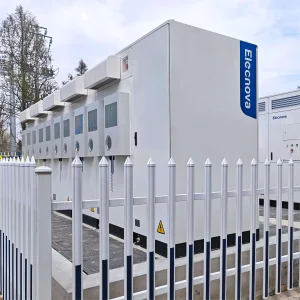
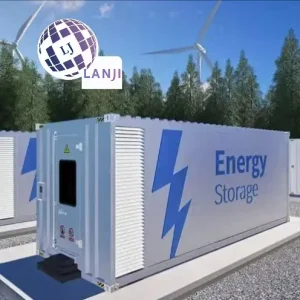
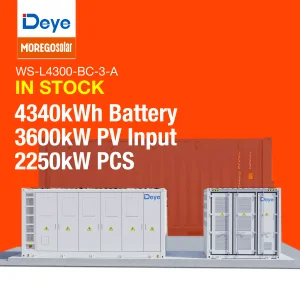
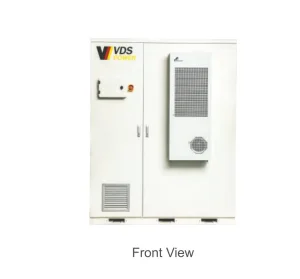
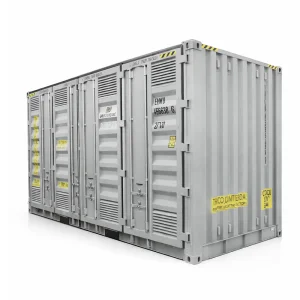
Hangzhou CCSC Energy Co., Ltd. stands at the forefront of the global energy transition as a specialized original equipment manufacturer (OEM) and original design manufacturer (ODM) of Battery Energy Storage Systems (BESS). Headquartered in Hangzhou, China, our operations integrate advanced materials science, high-precision structural engineering, and cloud-connected thermal management technologies to manufacture scalable energy storage infrastructures. Our technical scope encompasses utility-scale containers, commercial and industrial (C&I) cabinets, and decentralized microgrids engineered to interface seamlessly with modern smart grids.
Recognizing the complex demands of renewable power integration, our R&D focus is directed toward enhancing the levelized cost of storage (LCOS). Through multi-tier Battery Management Systems (BMS) and optimized liquid-cooling channels, we deliver high thermal uniformity and safety profiles. From site evaluation and customized engineering to manufacturing, regulatory compliance, and life-cycle support, we provide EPC contractors and project developers with integrated solutions that satisfy rigorous international grid standards.
The transition from synchronous generation (coal, gas) to asynchronous renewable resources (solar, wind) introduces transient vulnerabilities, short-term voltage fluctuations, and grid congestion. BESS serves as the essential buffering mechanism to maintain grid stability. By decoupled generation and demand, energy storage acts as both a rapid response unit for frequency regulation (responding within milliseconds) and a bulk energy asset for capacity shifting. Globally, industrial facilities are adopting distributed BESS to mitigate steep peak tariff structures and demand charges while enhancing the power quality of on-site microgrids.
"Modern energy networks require storage systems that are not simply passive reservoirs, but active nodes capable of millisecond dispatch, power factor correction, and black-start capabilities. Hangzhou CCSC Energy addresses these challenges through integrated multi-protocol control nodes and edge-computed battery management."
In North America and Europe, stringent regulatory frameworks and carbon limits require commercial installations to integrate reliable, certified battery backup. These systems enable commercial estates to participate in demand response markets and secure critical infrastructure from power disruptions. By engineering systems specifically configured for localized grid codes, CCSC Energy helps global enterprises achieve net-zero targets while securing financial returns via energy arbitrage.
Multi-tier cell monitoring, telemetry diagnostics, and active balancing to ensure uniform aging and safe operating limits.
Advanced liquid cooling systems that keep core temperatures within ±3°C, extending system lifecycle by up to 30%.
Strict engineering aligned with IEC 62619, UL 9540A, UN 38.3, and CE standards for seamless utility interconnection.
In high-rate C-charge/discharge applications, management of internal thermal gradients is a primary performance factor. At CCSC Energy, we integrate both cooling technologies designed for specific environmental profiles:
Our premium systems utilize a closed-loop glycol-water thermal circuit that channels coolant directly through customized heat plates positioned between LFP cells. Liquid cooling boasts a heat capacity coefficient many times higher than air, allowing the system to manage heat generation efficiently. This achieves internal temperature uniformity across the pack to within ±3°C. By limiting localized thermal stress, we inhibit accelerated cell degradation, prevent localized hot-spot formation, and minimize the risk of cascading thermal runaway. This is essential for containerized configurations, such as our 4.34MWh and 5MWh systems, where energy density exceeds 200Wh/L.
For modular configurations and standard load profiles, our air-cooling systems employ variable-speed fan configurations regulated by the central BMS. Utilizing high-efficiency ducts, air cooling offers a cost-effective, low-weight, and simplified maintenance option. This structure is ideal for applications where rapid charging cycles are infrequent and environmental conditions are moderately controlled, providing balanced capital cost with reliable operation.
Deploying energy storage internationally requires strict adherence to regional grid compliance parameters. CCSC Energy configures systems to comply with leading standard frameworks globally:
Our engineers configure local grid control parameters directly within the PCS (Power Conversion System) and EMS (Energy Management System), including support for reactive power control, voltage ride-through capabilities, and local load curtailment protocols.
Our design process relies on deep collaboration to meet client technical specifications:
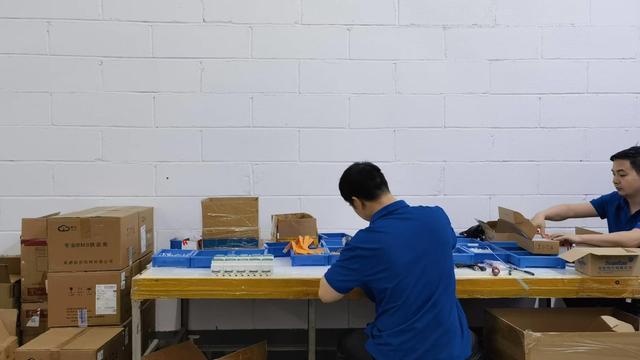
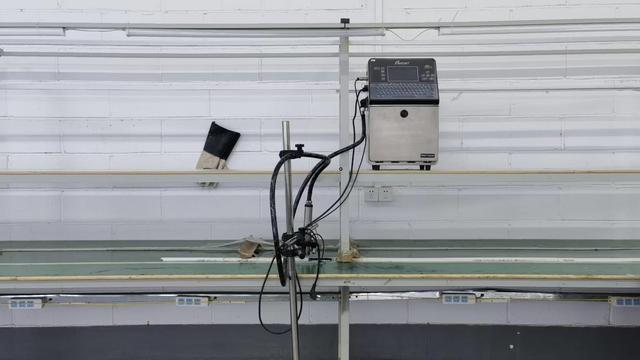
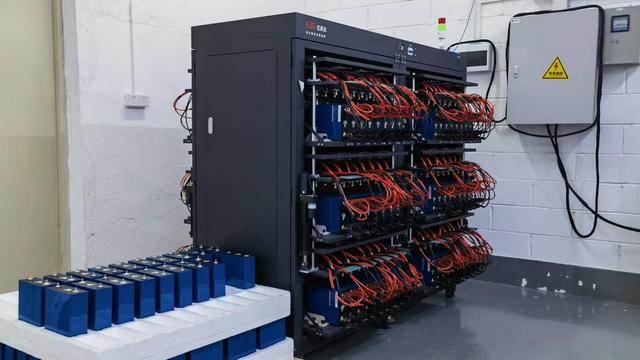
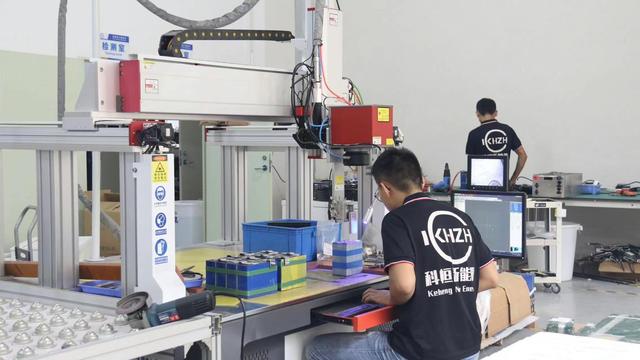
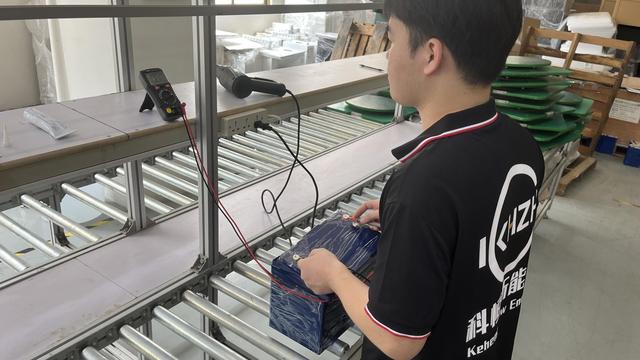
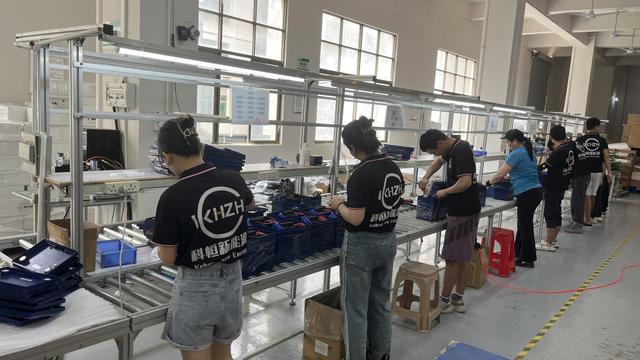
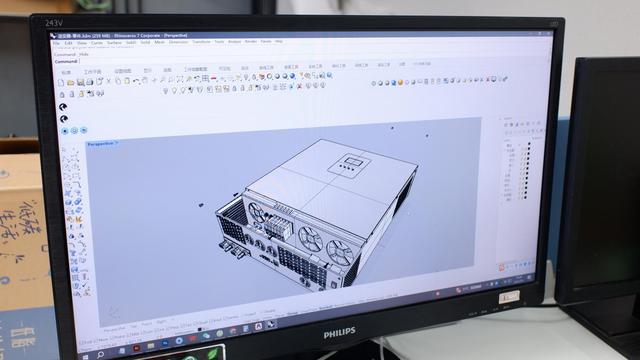
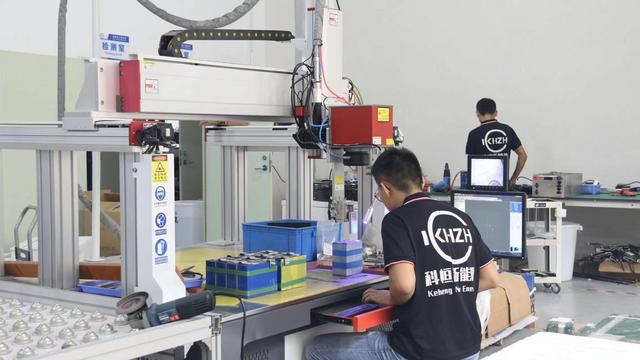
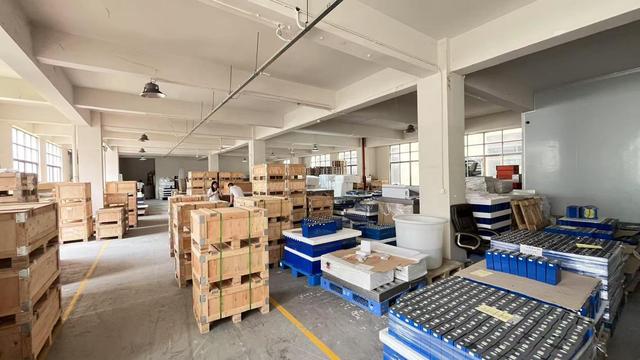
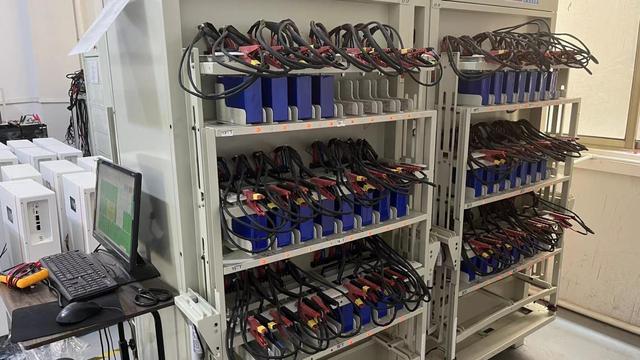
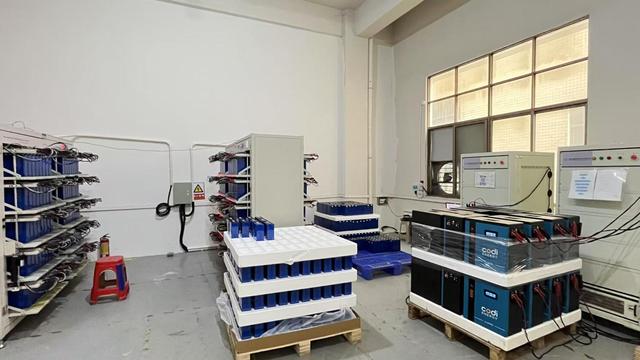
A visual tour of our modern engineering plant, showcasing automated assembly lines, strict QA check stations, and large-scale container integration areas.
As grid topologies develop, Hangzhou CCSC Energy Co., Ltd. continuously evaluates new technologies to maintain high efficiency and performance standards:
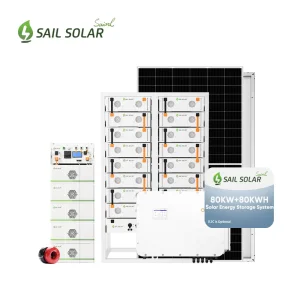
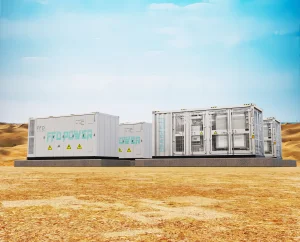
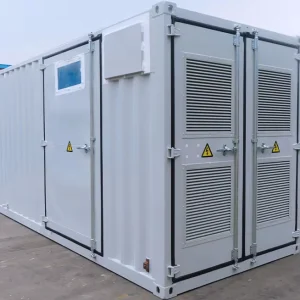
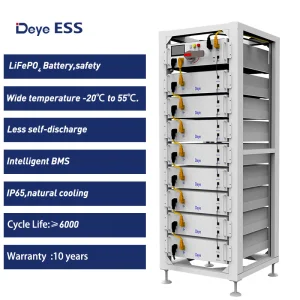
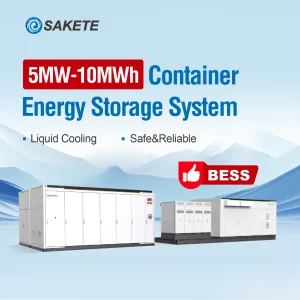
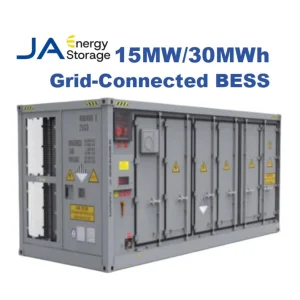
High-voltage utility modules, modular containers, and hybrid cabinet platforms for large-scale energy deployments.
 CCSC Energy