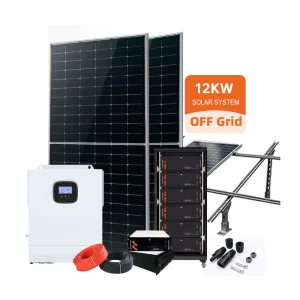
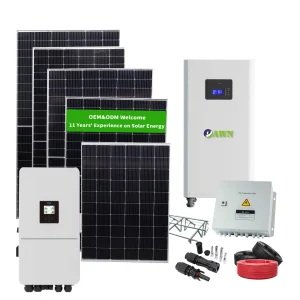
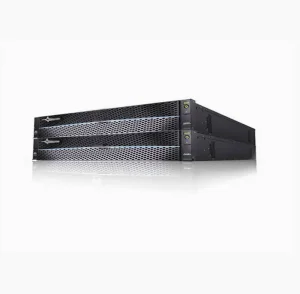
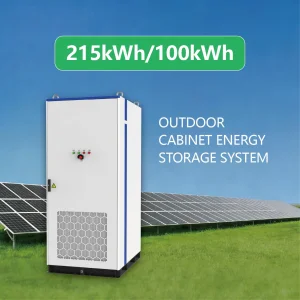
Explore our premium grade hybrid energy storage cabinets, multi-phase inverters, and utility-scale liquid-cooled containerized systems engineered for seamless integration.
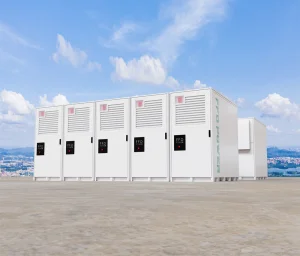
How modular battery storage architectures are mitigating structural grid issues, fluctuating demand charges, and variable solar-wind profiles.
Modern commercial and industrial grid environments are facing unprecedented challenges. As carbon reduction legislation tightens across North America, the European Union, and the Asia-Pacific region, businesses can no longer rely solely on volatile centralized grids. Energy storage systems (ESS) are shifting from "emergency backup options" to revenue-generating assets that engage in active frequency response, peak-valley arbitrage, and demand charge management.
In Germany, the UK, and California, demand charges (based on the highest 15-minute load interval of the month) can comprise up to 40% of an industrial plant's utility bill. Scalable energy storage units permit these plants to "shave" those spikes, drawing power from locally deployed LFP batteries when factory production runs reach peak intensities. Furthermore, integrating local PV installations with smart, scalable batteries ensures that surplus solar generation is stored for peak discharge hours rather than being feed-in at sub-optimal tariffs.
| Grid Requirement Standard | Primary Regional Focus | Technical Demands on BESS | CCSC Scalable Systems Compliance |
|---|---|---|---|
| UL 9540 / 9540A | United States / Canada | Thermal runaway propagation testing at cell, module, and cabinet levels. | Fully certified LFP configurations with aerosol firefighting suppressants. |
| IEC 62619 / 62477 | European Union & APAC | Safety requirements for large lithium battery packs in industrial applications. | Integrated BMS with triple-level overcurrent & overvoltage safety profiles. |
| UN38.3 | Global Logistics / Transport | Thermal testing, vibration, shock, short circuit, impact, and overcharge. | Certified cell arrays and shipping-ready modular enclosures. |
| CE / EN 50549 | Europe | Grid connection requirements for distribution networks. | Compatible with Tier-1 multi-protocol grid-tied bidirectional PCS. |
Dissecting the mechanical, thermal, and electronic integration layers that allow CCSC energy units to scale from kilowatts to multi-megawatt configurations.
We build exclusively with high-capacity Lithium Iron Phosphate (LiFePO4) prismatic cells. LFP delivers unparalleled thermal stability, non-explosive failure profiles, and matches 6000+ deep cycles at 80% Depth of Discharge (DoD), drastically reducing lifetime LCOS.
Our 215kWh and 500kWh utility configurations utilize custom liquid cooling systems that maintain intra-cell temperature deltas under 3°C, extending battery lifetime by up to 20%. Smaller commercial cabinets leverage IP54-rated smart variable-speed air cooling.
Electronic safety is guaranteed via local Module BMS (BMU), Cabinet BMS (CBMS), and System-Level BMS. This architecture supports real-time monitoring of cell voltages, insulation resistances, temperatures, and state-of-health (SoH) diagnostics.
Traditional monolithic energy systems suffer from rigidity—if power or capacity requirements change, developers must engineer new electrical connections, purchase different power conversion hardware, or scrap existing layouts. CCSC's modular architecture decouples power capacity from energy capacity. By adding hot-swappable battery racks in parallel or linking containerized enclosures in a master-slave network, systems can expand incrementally from 50kW / 100kWh (suitable for light retail centers) up to tens of megawatt-hours (MWh) for utility-scale regional grids.
How Hangzhou CCSC Energy Co., Ltd. capitalizes on the Yangtze River Delta industrial cluster to deliver tier-1 quality, rapid turnaround, and unmatched pricing structures.
Over 70% of the world's lithium-ion battery raw material processing, cell manufacturing, and balance-of-system production is concentrated in China. Hangzhou CCSC Energy exploits this proximity to eliminate long component transit times, secure guaranteed monthly supplies of high-grade raw LFP cells, and pass on cost savings directly to overseas EPC partners and wholesale buyers.
By bypassing mid-tier trading entities, our overseas customers gain factory-direct access to customized technical designs. The geographical clustering of component manufacturers in Zhejiang province means specialized sheet metal, precision liquid-coolant conduits, custom copper busbars, and BMS chips are sourced and assembled under one centralized quality-control protocol.
An inside look at our advanced assembly, testing facilities, high-performance battery systems, and warehouse logistics. Original factory documentation showing transparency and technical authenticity.
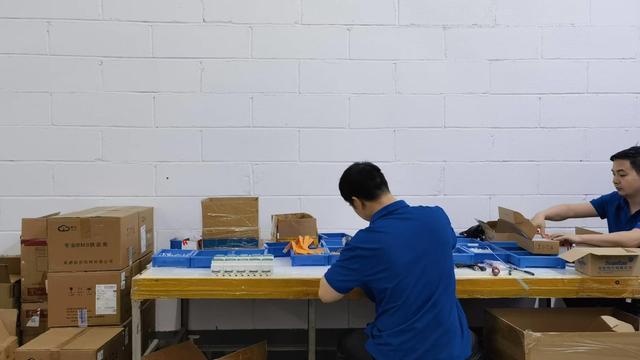
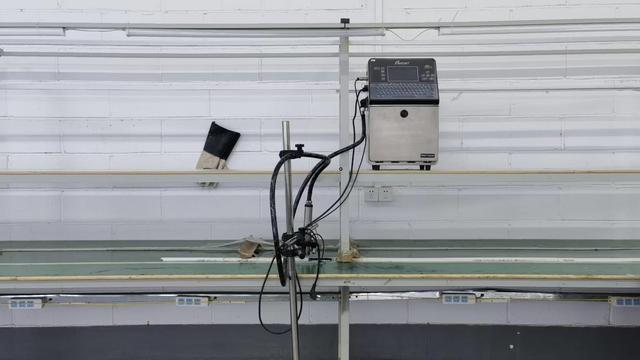


From sub-zero temperature operations in Northern Europe to high-humidity island microgrids, our custom configurations are proven globally.
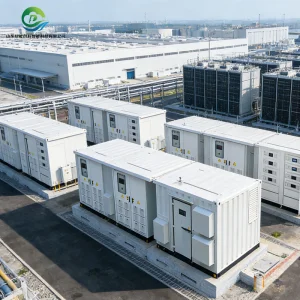
For regional distribution system operators (DSOs) in North America and Western Europe, sudden load drops or localized solar feed-in spikes destabilize frequency baselines (50Hz / 60Hz). By positioning containerized 20ft LiFePO4 BESS units at critical substations, operators benefit from sub-millisecond bidirectional power adjustments, charging when grid frequency is high and discharging when grid frequency drops, earning capacity market revenues.
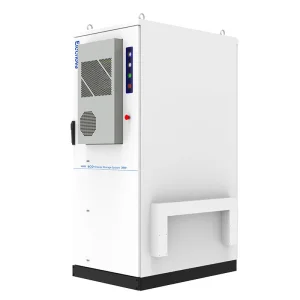
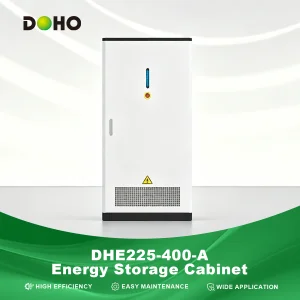
Manufacturing plants, cold chain storage centers, and high-performance data hubs run continuous processes that consume massive power. Installing our DOHO 50kW/100kWh or 210kW/418kWh integrated BESS cabinets allows local Facility Managers to program automated charge cycles during cheap off-peak hours (e.g., 1 AM to 5 AM) and discharge to power machinery during peak hours (e.g., 2 PM to 6 PM), lowering demand costs by up to 35%.
Remote infrastructure, such as mining operations and island resorts, has historically relied on expensive diesel generators. Our 50kW to 500kWh microgrid storage units connect with solar arrays via advanced hybrid PCS to create self-contained grids. The system regulates voltage profiles locally and acts as the primary voltage source, reducing diesel fuel dependency, cutting carbon footprints, and ensuring stable power.
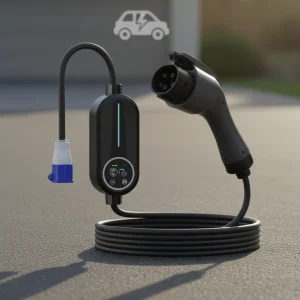
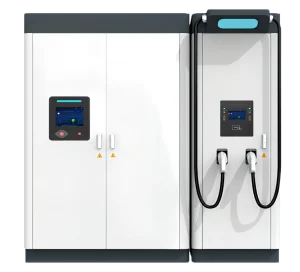
As EV adoption accelerates, existing charging infrastructure faces severe grid-connection limits. A single 180kW DC fast charger can overload local distribution transformers. By integrating our 40-180kW OCPP compliant floor-mounted charging stations with built-in solar storage buffers, stations can offer ultra-fast charging to EVs utilizing stored green energy, without triggering costly utility upgrades.
A trusted Energy Storage System Manufacturer specializing in battery energy storage, renewable power integration, and smart energy solutions.
Hangzhou CCSC Energy Co., Ltd. is a professional Energy Storage System Manufacturer specializing in battery energy storage, renewable power integration, and smart energy solutions for residential, commercial, industrial, and utility-scale applications. Based in Hangzhou, China, the company focuses on developing advanced energy storage technologies that help customers improve energy efficiency, enhance power reliability, and support the transition toward sustainable energy systems.
With expertise in energy storage engineering and system integration, CCSC Energy provides comprehensive solutions covering battery energy storage systems (BESS), renewable energy storage integration, commercial and industrial energy storage, backup power systems, microgrid applications, distributed energy infrastructure, and intelligent energy management platforms. Its solutions are designed to support a wide range of applications, including solar energy utilization, peak demand management, grid stabilization, emergency power supply, and energy cost optimization.
The company is committed to delivering safe, efficient, and scalable energy storage solutions tailored to the needs of modern energy users. Its engineering team works closely with customers, project developers, EPC contractors, and energy service providers to design systems that align with specific operational requirements, performance objectives, and regulatory standards. From project planning and system design to manufacturing and technical support, CCSC Energy offers comprehensive services throughout the project lifecycle.
Equipped with advanced manufacturing facilities and stringent quality management processes, the company emphasizes product reliability, operational safety, and long-term performance. Continuous investment in research and development enables CCSC Energy to integrate intelligent monitoring technologies, advanced battery management systems, and smart energy control platforms into its solutions.
Serving customers across Asia, Europe, North America, South America, the Middle East, and other global markets, Hangzhou CCSC Energy Co., Ltd. is dedicated to providing innovative energy storage solutions that support renewable energy adoption, strengthen power resilience, and contribute to a more efficient and sustainable energy future.
Addressing the core technical, procurement, and deployment questions asked by electrical engineers, EPC contractors, and commercial buyers.
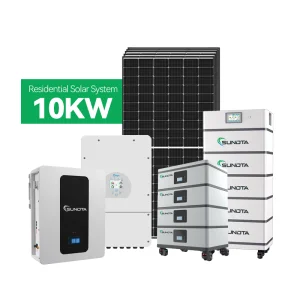
Further industrial-grade cold storage cooling controllers, fast DC chargers, modular hybrid home kits, and massive containerized battery structures.
 CCSC Energy