Why Do Energy Storage Systems Work for Global Buyers?

Time:2026-10-23 Author:Madeline
0%

Why Do Energy Storage Systems Work for Global Buyers?

To understand why global buyers invest in storage, ask: how do energy storage systems work? The answer begins with controlled movement of electricity. During low-demand periods, batteries receive power from the grid, solar panels, or wind turbines. A bidirectional inverter then converts electricity into the form required by the battery. When demand rises, the inverter reverses the process. Stored energy returns to buildings, factories, or transmission networks.

The system is more than a battery cabinet. A battery management system monitors voltage, temperature, and state of charge. Cooling equipment protects cells during heavy operation. Software forecasts demand and decides when charging or discharging makes financial sense. Dr. Imre Gyuk, a recognized energy-storage authority, has said, “Energy storage is the key to unlocking the full potential of renewable energy.” His point matters to international buyers. Storage can reduce peak-demand costs, support backup power, and improve renewable energy use when sunlight or wind changes.

It is not magic.

Experienced buyers examine round-trip efficiency, degradation rates, warranty terms, fire protection, and local grid requirements. A system that performs well in a cool climate may need different thermal controls in a hot, humid region. Shipping conditions, maintenance skills, spare parts, and software support also influence lifetime value. Some purchasing decisions still rely too heavily on advertised capacity. That is a weakness. Usable energy, response time, safety records, and total operating costs deserve equal attention. This article explores those practical details, while recognizing that no storage technology fits every market, project, or operating profile.
Why Do Energy Storage Systems Work for Global Buyers?

What Energy Storage Systems Are and How They Function

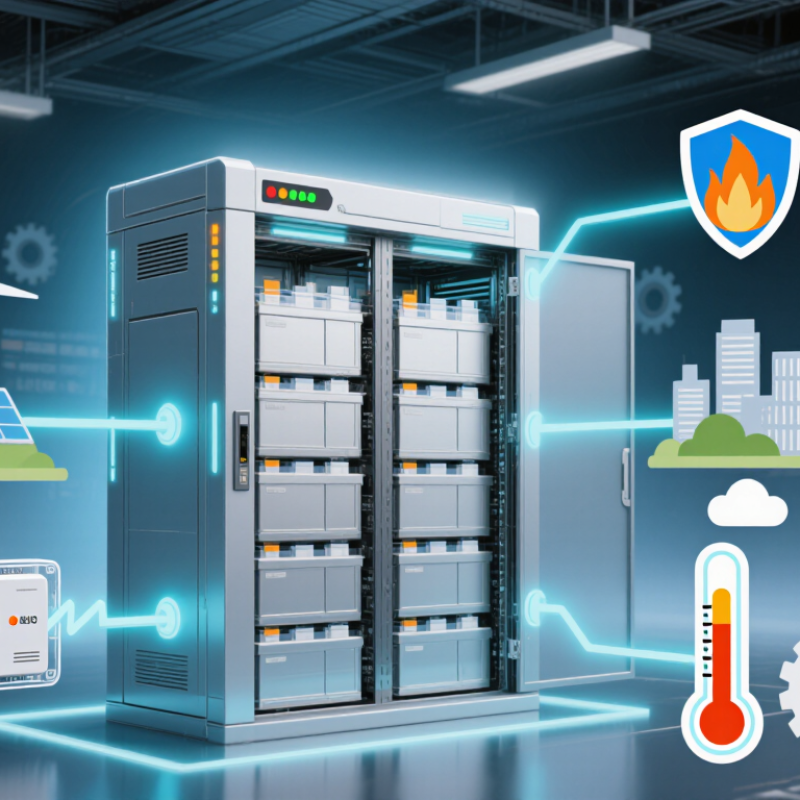
Energy storage systems store electricity and release it when demand changes. A typical system contains battery racks, a battery management system, power conversion equipment, cooling units, and energy management software. The battery stores direct current. The power converter changes it into alternating current for buildings or grids. Simple in theory.

During charging, the system absorbs surplus solar or wind power. During discharge, it supplies electricity during evening peaks, outages, or grid shortages. The battery management system monitors voltage, temperature, and state of charge. It can isolate unsafe modules within milliseconds. Thermal management also matters, especially in hot climates. Poor ventilation can reduce performance and shorten battery life.

The International Energy Agency reported that global battery storage additions exceeded 40 GW in 2023, more than doubling in one year. Its 2024 Batteries and Secure Energy Transitions report estimates that battery storage may need to reach about 1,200 GW by 2030 for a stronger clean-energy system. BloombergNEF reported that average lithium-ion battery pack prices fell to 115 dollars per kilowatt-hour in 2024. Lower costs help global buyers, but installation, fire protection, maintenance, and grid connection remain significant expenses. The numbers look promising. Yet performance depends on local weather, operating habits, and electricity rules. A system designed for a cool warehouse may struggle beside a desert substation.】【。

Why Global Buyers Need Reliable Energy Storage Solutions

Global buyers need energy storage solutions they can trust across changing grids, climates, and regulations. A battery may perform well in factory testing, yet behave differently at a humid coastal site. Reliable storage begins with measured load data, not optimistic estimates. Engineers should examine peak demand, outage duration, temperature, dust, and local service skills. Small details matter. A blocked air filter can reduce performance.

For international projects, safety documents and transparent testing are essential. Buyers should request thermal management details, protection settings, cell traceability, and lifecycle results. They also need clear figures for usable capacity, efficiency, and degradation. These results should reflect local operating conditions. Independent inspections can reveal gaps before shipment. They take time, but rushed procurement may cost more.

Practical reliability includes remote monitoring, spare-part planning, and trained local technicians. Support must work across time zones and remain available after installation. Industry assessments often show buyers focusing on storage size while overlooking recovery procedures. That is a mistake. No system is perfect. Unexpected faults still happen. Buyers should ask how alarms are handled, how software updates are controlled, and what happens during extended outages. A dependable solution is not simply the largest battery. It is a verified system that keeps essential loads stable under difficult conditions. Even then, assumptions deserve review.

How Storage Systems Support Renewable Energy Integration

Why Do Energy Storage Systems Work for Global Buyers?

How Storage Systems Support Renewable Energy Integration

Renewable power changes with sunlight and wind conditions. Energy storage systems help balance this uncertainty. They collect surplus electricity during bright or windy hours. Later, they release power when demand rises or renewable output falls. This process reduces curtailment and supports a steadier grid. In project reviews, operators often examine charge duration, response speed, temperature control, and expected cycle life. These details matter more than impressive capacity figures. A system may look powerful, yet perform poorly without suitable grid planning.

Tips: Match storage duration with local renewable patterns. Check seasonal temperatures and humidity. Review safety testing, maintenance access, and replacement procedures. Use measured operating data, not only laboratory claims. Leave room for unexpected losses.

Storage also improves renewable integration at distribution and utility scales. It can smooth short-term fluctuations and reduce pressure on transmission lines. During peak periods, stored electricity may delay expensive grid upgrades. For remote areas, storage can support reliable renewable microgrids. However, results depend on software controls, grid rules, and accurate forecasting. These factors are sometimes underestimated. A poorly coordinated system can create new power peaks instead of removing them. Buyers should request transparent performance records and independent technical assessments. They should also evaluate degradation, recycling plans, and emergency procedures before signing a long-term agreement.

Which Economic and Operational Benefits Attract International Buyers

Energy storage systems attract global buyers because they solve financial and operational problems at once. A battery can store low-cost electricity during off-peak hours and discharge it during expensive periods. This practice may reduce demand charges and improve budget visibility. In regions with unstable grids, storage also supports critical loads during short outages. Warehouses can keep refrigeration, lighting, and control systems running. That continuity protects inventory and reduces production interruptions. The value is practical, not theoretical. Yet savings depend on tariffs, cycling limits, temperature, and local operating rules.

Operational flexibility is another major benefit. Buyers can combine storage with solar generation, shift energy use, and respond to changing grid signals. Properly sized systems may reduce generator use and lower site emissions. They can also delay expensive grid upgrades when a facility expands. However, a larger battery is not automatically better. Oversizing can increase capital costs, while poor software settings can waste available capacity. Real projects need load data, outage records, and a maintenance plan. Performance should be checked through measured operating results, not optimistic estimates.

Tips: Ask for a clear model showing purchase cost, installation, warranties, degradation, and replacement assumptions. Compare savings under high, normal, and low price spreads. Review fire protection, ventilation, emergency procedures, and trained local technicians. Test the system before full operation. A forecast can be wrong. Buyers should allow for changing tariffs and slower-than-expected returns. Independent technical review improves confidence across different grid codes and climates.

What Buyers Should Evaluate Before Choosing an Energy Storage System

Energy storage systems serve global buyers because they can shift electricity to the hours it matters most. Yet usefulness depends on the site, not the brochure. Buyers should begin with real load data, including morning peaks, evening demand, seasonal changes, and planned production growth. A battery that covers two hours today may be undersized next year.

Check usable capacity, discharge power, round-trip efficiency, and expected degradation. Ask how performance changes at 5°C, 35°C, or under frequent cycling. Small details matter. A 1 MWh label may not equal 1 MWh delivered at the meter. Request independent test records, safety certifications, thermal management details, and clear emergency procedures. Local grid codes and fire requirements also need written confirmation before procurement.

Financial evaluation should include installation, software, inspections, replacement parts, insurance, and end-of-life handling. Compare total cost per delivered kilowatt-hour, not only the purchase price. Review warranty limits carefully, especially cycle counts, capacity retention, response time, and exclusions for harsh environments. Confirm who provides remote monitoring and how quickly trained technicians can respond. Cybersecurity deserves attention too, because an internet-connected controller can affect an entire facility. A spreadsheet can lie. Forecasts are useful, but actual operating data should challenge them. One overlooked heat wave or delayed permit can change the investment case.

FAQS

What does an energy storage system do?

It stores electricity and releases it when demand changes. It can support buildings, grids, and remote areas. Simple in theory.

What equipment does a typical system include?

Common parts include battery racks, management controls, power converters, cooling units, and energy software. The battery stores direct current. The converter changes it into alternating current.

When does an energy storage system charge?

It can charge during sunny or windy periods with surplus renewable electricity. It may also charge when grid demand is low. Timing matters.

When does the system release electricity?

It can discharge during evening peaks, outages, or temporary grid shortages. Stored power can also reduce pressure on transmission lines. Results vary locally.

How does storage support renewable energy?

Storage collects electricity when sunlight or wind output is high. It releases power when renewable generation falls or demand rises. This can reduce wasted renewable electricity.

How does the system manage safety and heat?

Management controls monitor voltage, temperature, and charge levels. They can isolate unsafe modules within milliseconds. Cooling and ventilation are essential, especially in hot climates. Poor airflow can shorten battery life.

What should buyers check before selecting a system?

Buyers should compare storage duration, response speed, expected cycle life, and local weather conditions. They should review safety testing, maintenance access, replacement procedures, and emergency plans. Laboratory results may not reflect field performance.

Are energy storage costs limited to the battery?

No. Installation, fire protection, maintenance, software, and grid connection add major expenses. Falling battery prices help, but total project costs remain important. The numbers look promising. Some estimates can disappoint.

Can storage systems support remote renewable microgrids?

Yes, storage can improve reliability where grid access is limited. It can balance changing solar or wind output. Accurate forecasting and software coordination remain necessary. A poorly coordinated system may create new power peaks.

Conclusion

Energy storage systems capture electricity when it is available and release it when demand rises or supply becomes limited. In simple terms, how do energy storage systems work? They use technologies such as batteries, power conversion equipment, monitoring controls, and safety systems to store energy, manage its flow, and deliver it when needed. This makes them valuable for global buyers seeking dependable power, improved energy security, and greater control over changing electricity demands.

These systems also help integrate renewable sources by storing excess solar or wind power and supplying it during periods of low generation. As a result, buyers can improve grid stability, reduce peak-demand costs, support continuous operations, and make better use of clean energy investments. Before choosing a system, international buyers should evaluate capacity, charging and discharge performance, efficiency, safety features, operating conditions, service support, expandability, expected lifespan, and total ownership costs. A suitable solution should match both current requirements and future energy goals.

Madeline

Madeline

Madeline is a dedicated marketing professional with a wealth of expertise in our company's core offerings. With a keen understanding of the industry, she brings a unique perspective to her role, consistently delivering high-quality content that highlights the superior aspects of our products. As......