Why is energy storage important for renewable energy? Because sunlight and wind do not follow household demand. Solar panels may produce a midday surplus, while families switch on lights and heaters after sunset. Wind turbines can spin hard overnight, then slow when the grid needs power. Batteries help move some of that electricity across hours, reducing waste and easing pressure on power networks. The result is not simply more renewable generation, but energy that can be used closer to when it is needed.
IEA Executive Director Fatih Birol has described batteries as “the key to unlocking the full potential of renewable energy.” That idea points to a practical challenge: storage can balance changing supply, support grid stability, and provide backup during short disruptions. A battery beside a solar farm, for example, can store excess daytime output and release it during evening demand. Longer-duration storage may help cover longer gaps, though technologies and costs vary. Storage is not a magic fix. Batteries require materials, careful management, and suitable sites; they also cannot replace stronger grids or flexible demand. The details matter. A useful introduction should therefore examine how storage works, which technologies fit different needs, and what trade-offs deserve attention. The case is compelling, but not effortless. Understanding those limits makes the benefits clearer—and the energy transition more credible.
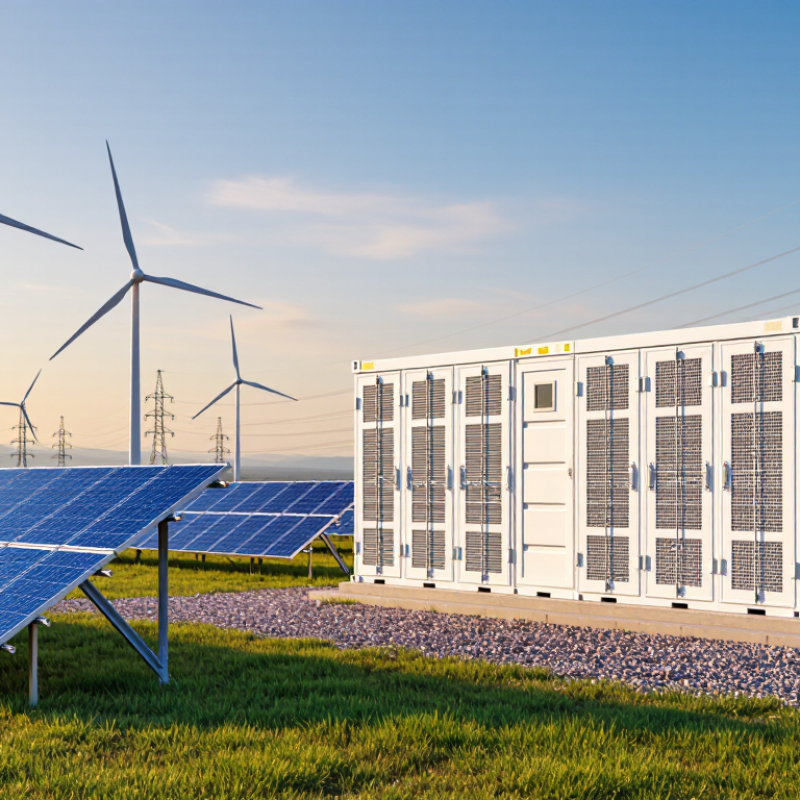
In a renewable energy system, storage shifts electricity from when it is produced to when it is needed. Solar panels generate direct current, which an inverter converts into household alternating current. When production exceeds demand, a hybrid inverter or charge controller sends surplus electricity to a battery. The battery stores energy chemically, then releases it through an inverter when clouds pass or evening demand rises. Timing matters.
A home battery system monitors power flows continuously. Sensors measure generation, household use, and battery charge, while controls decide whether to store, use, or export available electricity. Wind systems follow a similar pattern, though output can change with gusts and lulls. Grid-connected storage can also help balance supply across neighborhoods, not just individual homes. The details matter: battery power rating affects how many appliances can run at once, while capacity affects how long they run. A full battery cannot provide unlimited backup.
Storage does not create electricity, and conversion loses some energy as heat. Battery performance also changes with temperature, age, and charging conditions. The picture is not always tidy. A system sized only around sunny days may disappoint during a long cloudy spell, so local weather and evening use deserve careful attention.### Sources:
-
Solar panels produce the most electricity around midday, while many homes need more power after sunset. Clouds can also reduce output within minutes. A neighborhood may generate more solar power than it can use at noon, then draw heavily from the grid at dinner time. That mismatch matters. Storage moves some electricity across those hours.
A battery can charge when generation exceeds demand and discharge when production falls. For example, stored afternoon solar power can run lights, appliances, or a heat pump later that evening. At grid scale, storage can also respond quickly to short supply changes. Other options, including pumped water and thermal storage, suit different locations and time spans. No single technology fits every grid.
Storage does not create energy, and it cannot cover every long stretch of low wind or cloudy weather. Batteries also lose some energy during charging and discharging, and their costs and environmental impacts deserve attention. It is easy to overestimate what a storage system can do. Good planning considers local weather, demand patterns, grid connections, and how long the stored power must last. A small detail, like several cloudy evenings in a row, can change what capacity is actually useful.
Renewable power can change within minutes: clouds soften solar output, while evening demand rises just as panels go dark. Storage shifts electricity across those gaps. The technology matters because a short burst of power and a winter-long energy reserve are different jobs.
Lithium-ion batteries respond quickly, making them useful for smoothing solar and wind fluctuations and meeting evening peaks. The International Energy Agency’s Batteries and Secure Energy Transitions report says battery storage additions reached about 42 gigawatts in 2023. In its net-zero pathway, installed capacity must grow to 1,200 gigawatts by 2030. That figure describes a system-wide need, not a battery-only target. Pumped hydro stores energy by moving water uphill, then releasing it through turbines. It can provide long-duration storage, but suitable terrain and water access limit where projects can be built.
Other technologies serve different needs. Thermal storage holds heat in materials such as molten salt, which can later supply industrial processes or generate electricity. Hydrogen can store renewable energy for longer periods, though converting electricity into hydrogen and back loses energy. The U.S. Department of Energy’s Long Duration Storage Shot targets a 90% cost reduction for 10-plus-hour storage systems by 2030, against a 2021 baseline. No option is perfect. Duration labels also hide practical details, including siting, efficiency, and how often a system cycles.
Renewable power does not always arrive when people need it. A solar array may peak at noon, while homes turn on lights, cookers, and heaters after sunset. Storage shifts some electricity across hours. On a grid, batteries can respond quickly when clouds pass or demand rises, helping steady frequency and reduce sudden swings. Operators can also save excess wind power instead of curtailing it. That helps. Still, storage is not a magic reserve; duration, connection capacity, and careful maintenance matter. Planning around a typical day can miss a cold, still week. Forecasts still miss things.
For communities with weak or distant grid connections, storage can make local renewable systems more dependable. At a rural clinic, stored daytime solar can keep vaccine refrigeration running after dark and power lights during an outage. Small community systems may also extend service without waiting for a major transmission line. That can improve energy access, but affordability and repair skills need attention from the start. A battery that cannot be serviced locally may sit idle when it is most needed. Material sourcing, recycling, and replacement costs deserve honest consideration, too. The right system depends on local weather, demand, and the people who will maintain it.
Typical round-trip efficiency ranges for two widely used grid-storage technologies
How storage helps: Storage can save surplus wind and solar electricity for later, helping balance changing supply and demand and support a more reliable grid. Round-trip efficiency is the share of stored electricity returned; actual performance varies by system and operating conditions.
Renewable storage is not just a battery problem. It is a timing problem. Solar panels can flood a grid at noon, while homes need power after sunset. Wind output may fall across a region at once. Storage bridges these gaps, but scaling it exposes hard constraints.
The IEA’s 2024 Batteries and Secure Energy Transitions report sets a demanding 2030 benchmark. It calls for 1,200 GW of battery power capacity, roughly sixfold growth. That pace requires factories, minerals, skilled crews, and grid connections—not only more battery cells. The IEA’s 2023 Electricity Grids and Secure Energy Transitions report says annual grid investment must exceed $600 billion by 2030. That is roughly double today’s level. A finished battery can still sit idle if a substation upgrade or interconnection approval is delayed.
Duration is another gap. Four-hour systems can move midday solar into evening, but long cloudy spells need more stored energy or other flexible resources. Longer-duration storage often costs more and has fewer established projects, making financing harder. Safety, land use, and recycling plans also shape local approval. A container battery beside a substation looks simple; the wires, permits, and backup plans are not. It is easy to over-trust neat spreadsheets. Forecasts need scrutiny, especially when weather and construction schedules refuse to cooperate.
It saves excess electricity for later use. Solar power collected at noon can help meet evening demand. Small shifts matter.
Batteries respond quickly to changing supply. Pumped hydro moves water uphill, while thermal systems store heat in materials such as molten salt. Hydrogen can store energy longer, but converting it back to electricity loses energy.
Batteries can respond when clouds reduce solar output or demand suddenly rises. They can also help steady grid frequency. Not always perfectly.
Yes. At a rural clinic, stored daytime solar can keep vaccine refrigeration running after dark. Local repair skills and replacement costs matter too.
No. They can shift midday solar into the evening, but a cold, cloudy week may need longer storage or other flexible resources. A typical-day forecast can miss that.
Projects need more than batteries. Grid connections, substation upgrades, skilled crews, materials, permits, and suitable sites can all cause delays.
No. A completed battery may sit idle if its connection is delayed. Strong transmission and distribution networks are still needed.
Check local weather, electricity demand, storage duration, maintenance needs, safety, and recycling plans. A neat spreadsheet may overlook real repair problems.
Energy storage captures electricity when renewable sources such as solar and wind generate more power than is immediately needed, then releases it when production falls or demand rises. This helps address the natural variability of renewable power and makes clean energy available beyond sunny or windy periods. Batteries, pumped-storage hydropower, thermal storage, and other technologies can serve different needs, from balancing short-term fluctuations to shifting larger amounts of energy across time.
Storage also supports grid reliability by helping balance supply and demand, reduce pressure during peak periods, and provide electricity to communities with limited access to dependable power. Its expansion, however, faces challenges, including costs, material and manufacturing needs, environmental considerations, and the difficulty of connecting storage systems to existing grids. Understanding why is energy storage important for renewable energy means recognizing that storage can make renewable electricity more dependable and useful, while thoughtful planning is needed to address these challenges.

CCSC Energy