China Top Trends in Energy Storage Technology Future?

Time:2026-07-18 Author:Aria
0%

As the world shifts toward sustainable energy, the question arises: what is the future of energy storage technology? Energy storage is essential for balancing supply and demand. With the increase in renewable energy sources, improved storage solutions are needed. This technology plays a critical role in stabilizing the grid where power generation can be intermittent.

China is at the forefront of these advancements, investing in cutting-edge battery technologies. The country leads in lithium-ion battery production and research. Innovations so far include solid-state batteries and flow batteries, each promising enhanced safety and efficiency. However, there remain challenges to overcome. Costs, scalability, and recycling processes still require attention.

The next decade could define the landscape of energy storage globally. Industries must collaborate on solutions that blend economic viability with environmental sustainability. It is crucial to engage in meaningful discussions about potential improvements and practical applications. The future of energy storage is not just about new technologies—it's also about responsibility and foresight.
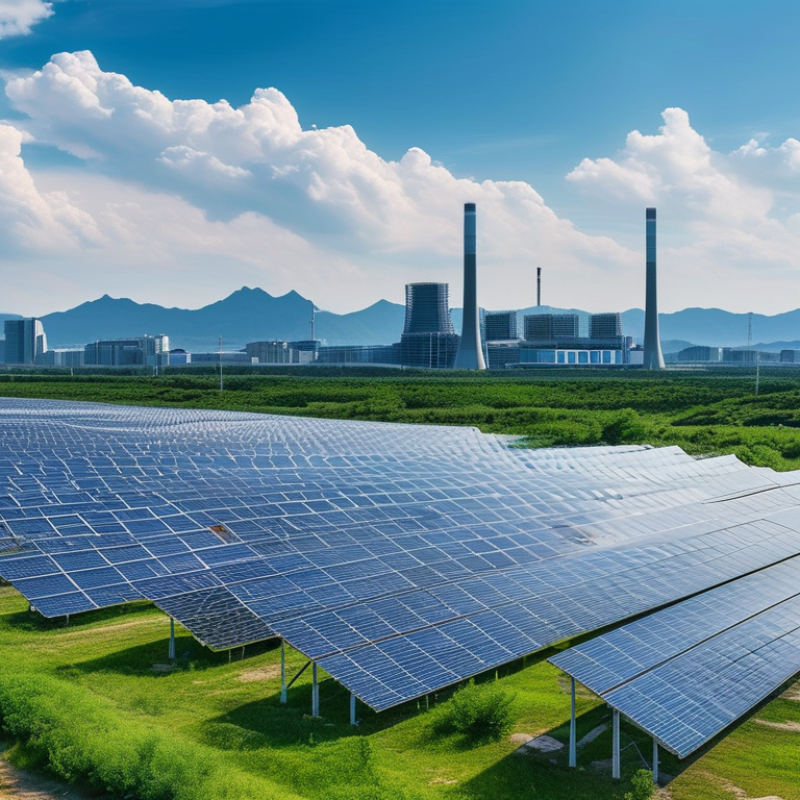
China Top Trends in Energy Storage Technology Future?

Emerging Energy Storage Technologies in China

China is making significant strides in emerging energy storage technologies. According to a report by the China Energy Storage Alliance, the country's energy storage market grew by nearly 40% in 2022. This growth is driven primarily by advancements in lithium-ion battery technology and the increasing integration of renewable energy sources.

Innovative technologies, such as flow batteries and solid-state batteries, show promise for the future. Flow batteries are particularly suitable for large-scale applications. They can provide long-duration energy storage, crucial for balancing supply and demand. However, they currently face challenges related to cost and energy density. Solid-state batteries, on the other hand, offer higher energy density and improved safety. Yet, they are still in the developmental phase and present manufacturing hurdles.

While these technologies signal progress, concerns linger. Battery lifecycle and recycling processes need improvement. The environmental impact of mining materials also poses challenges. As China forges ahead, addressing these issues will be critical for sustainable growth in the energy storage sector.

Key Players in China's Energy Storage Sector

China's energy storage sector is rapidly evolving, driven by both technological advancements and government policies. Over the past few years, investments have surged, with reports indicating that the market is expected to exceed $20 billion by 2025. This growth is propelled by key players who are aggressively expanding their capabilities.

Major contributors to this market include both startups and established companies focusing on lithium-ion batteries and emerging technologies. For instance, recent data suggests that lithium-ion batteries will dominate the market, accounting for over 80% of total installations in the next few years. However, challenges remain, including concerns over material sourcing and environmental impact.

The energy storage landscape in China is also influenced by the push for renewable energy sources. While many players are investing heavily, there is still a need for innovation in efficiency and recycling processes. Research shows that nearly 60% of energy storage facilities struggle with long-term sustainability. Addressing these issues is vital for fostering a more resilient energy future.

Government Policies Influencing Energy Storage Innovations

The future of energy storage in China will largely hinge on government policies. Recent reports indicate that the nation aims to achieve 1,000 GWh of energy storage capacity by 2030. This ambitious target is primarily driven by the need to support the growing renewable energy sector and improve grid reliability. The State Council's initiatives, including the "14th Five-Year Plan", highlight investments in innovative technologies. These policies focus on enhancing lithium-ion battery efficiency and exploring alternatives like solid-state batteries.

Developments in financial incentives also play a crucial role. According to industry analyses, the introduction of subsidies could lower the overall cost of energy storage systems by 20% over the next five years. This creates a favorable environment for startups and established companies alike to innovate and test new solutions. China’s emphasis on reducing carbon emissions fuels demand for advanced energy storage, presenting an array of opportunities.

Tip: Stay aware of policy changes that could impact funding for energy storage projects. Monitoring government announcements will help optimize investment strategies. Engaging with industry stakeholders can also provide insights into upcoming trends. Remember, adaptability is key in this rapidly evolving market.

Future Challenges and Opportunities for Energy Storage in China

China is at a pivotal moment in energy storage technology. The country aims to boost its storage capacity to 400 GWh by 2025, according to the China Energy Storage Alliance. This ambitious target presents both significant challenges and promising opportunities. The rapid growth of renewable energy sources, particularly solar and wind, increases the demand for efficient storage solutions. However, the integration of energy storage systems often faces technical hurdles, such as grid stability and regulatory barriers.

Technological innovation is crucial. Researchers focus on enhancing battery efficiency and lifespan, while new materials like solid-state batteries show promise. The market for energy storage globally is expected to reach $550 billion by 2027, emphasizing China's potential leadership role. Yet, concerns about resource accessibility, like lithium volatility, remain. Striking a balance between production and sustainability is essential moving forward.

Additionally, investment in research and development is crucial. A 2021 report by BloombergNEF indicated that annual spending on energy storage research should exceed $25 billion globally. China could leverage international partnerships to navigate this evolving landscape. Engaging local governments with supportive policies may also unlock the sector's potential. Addressing these challenges will determine the future trajectory of energy storage in China.

China's Energy Storage Technology Trends: Challenges and Opportunities

This bar chart illustrates the projected growth of installed energy storage capacity in China from 2020 to 2025. The significant increase highlights the challenges and opportunities that lie ahead for energy storage technologies in the country.

Global Impact of China's Energy Storage Developments

China is rapidly advancing in energy storage technology, reshaping the global energy landscape. The country's focus on innovation and infrastructure is impressive. With advancements in battery technology, storage solutions are becoming more efficient and cost-effective. This affects renewable energy integration and grid stability worldwide. As China expands its production capacity, other nations take notice.


However, not all developments are perfect. Environmental concerns regarding the production of storage devices arise. The sourcing of materials can lead to ecological damage. In addition, there are questions about recycling and waste management for old batteries. These challenges require global collaboration to address effectively.


Moreover, China's energy storage moves influence international markets significantly. Developing countries look to China for leadership and technology. This creates opportunities but also dependency. As nations advance their own storage capacities, they must remember to balance local innovation with global support. The future of energy storage is bright, yet complex.

FAQS

: What is driving the growth of China's energy storage sector?

: Growth is driven by technological advancements and government policies. Investments surged, aiming to exceed $20 billion by 2025.

What type of technology dominates the energy storage market in China?

Lithium-ion batteries dominate, making up over 80% of installations in the coming years. They are crucial for industry growth.

Are there environmental concerns related to energy storage?

Yes, concerns exist over material sourcing and ecological impacts. These issues can hinder long-term sustainability efforts in the sector.

How do government policies influence energy storage innovations?

Policies aim for 1,000 GWh of storage capacity by 2030. They support renewable energy and improve grid reliability, fostering innovation.

What financial incentives are being introduced in China's energy storage sector?

Subsidies might reduce storage system costs by 20% in the next five years. This encourages startups and established companies to innovate.

How does China’s energy storage development impact global markets?

China's advancements reshape global energy landscape, affecting renewable integration and grid stability. Developing countries look to China's technology.

What challenges do energy storage facilities face?

Nearly 60% struggle with long-term sustainability. Innovation in efficiency and recycling processes is urgently needed for resilience.

Are there risks with dependency on China's energy storage technology?

Yes, while there are opportunities, dependency on China's leadership can arise. Balance between local innovation and global support is essential.

How significant is collaboration in addressing environmental concerns?

Global collaboration is vital for tackling ecological damage and recycling issues. Without it, progress may be hindered significantly.

Why is adaptability important in the energy storage market?

The market is rapidly evolving. Staying informed about policy changes and engaging industry stakeholders fosters better investment strategies.

Conclusion

The future of energy storage technology in China is poised for significant advancements driven by emerging technologies and strategic government policies. China is witnessing a surge in innovative energy storage solutions, with a particular emphasis on enhancing efficiency and scalability. Key players in the sector are actively engaging in research and development to stay at the forefront of this rapidly evolving landscape.

Moreover, the Chinese government is playing a crucial role by implementing supportive policies that encourage investment and innovation in energy storage. While there are challenges to overcome, such as cost reduction and integration into existing energy systems, the opportunities for growth are substantial. As these developments unfold, they not only shape the national energy landscape but also have global implications, raising the question of what is the future of energy storage technology and how it will impact energy sustainability worldwide.

Aria

Aria

Aria is a dedicated marketing professional with a deep passion for innovative strategies and a keen understanding of our company's product offerings. With a wealth of experience in the industry, Aria excels at crafting engaging content that highlights the unique features and benefits of our......