Electricity is often generated when people need less of it and demanded when supply is tight. Battery energy storage systems help bridge that gap by storing electricity and releasing it later. A battery can charge from rooftop solar at midday, then power lights and appliances after sunset. At a larger scale, stored energy can support the grid during periods of high demand.
So, what are the benefits of battery energy storage systems? They can improve energy flexibility, make better use of renewable power, and help reduce peak electricity use. Some systems also provide backup power during outages, depending on their design, capacity, and connection. For businesses, that may mean keeping selected equipment running; for households, it may mean maintaining essential lighting or refrigeration. The details matter.
Storage is not a magic fix. Batteries have upfront costs, conversion losses, and limited operating lives. Their performance depends on factors such as temperature, charging patterns, and maintenance. A small home battery cannot power every appliance indefinitely, and savings vary with local electricity rates and system size. That deserves attention.
Understanding these benefits—and their limits—helps readers assess where battery storage fits. The following overview explores practical uses, reliability, cost considerations, and how batteries can complement solar and other energy sources. A careful comparison is more useful than a promise of effortless savings.
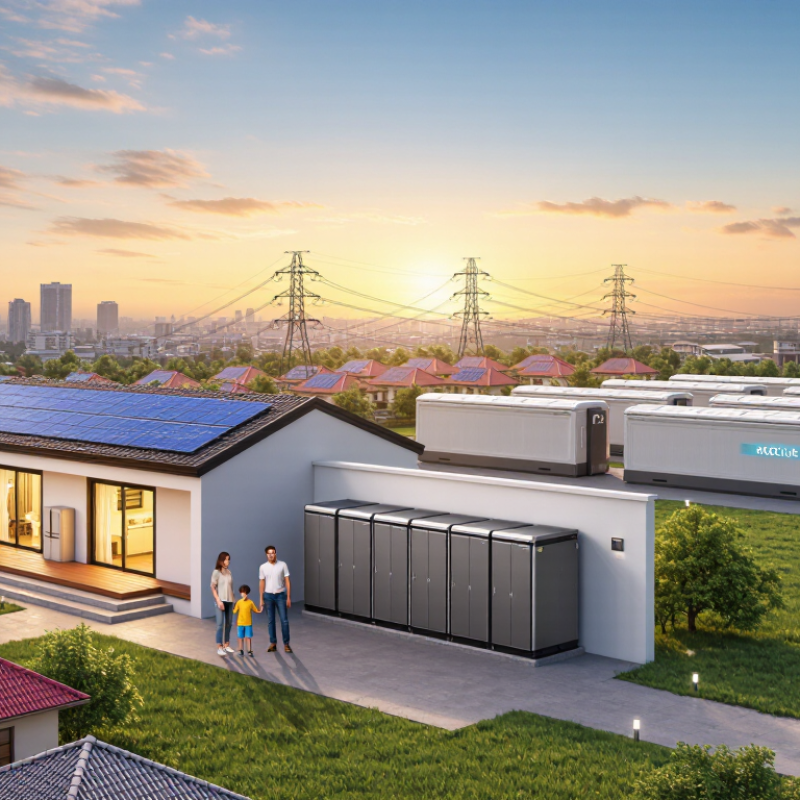
A battery energy storage system captures electricity when supply is available and releases it when demand rises. During charging, an inverter converts incoming alternating current into direct current for the battery cells. Inside each cell, chemical reactions store energy until a connected load needs power. The process is controlled, not instant guesswork. A battery management system monitors voltage, temperature, and charge level to keep operation within safe limits. Small sensors matter here.
When electricity is needed, the cells send direct current back through the inverter, which converts it into alternating current for a home, building, or grid connection. The system can respond quickly, helping cover a short evening peak or smooth brief changes in renewable generation. How long it can supply power depends on its usable capacity and the load being served. A kettle and a few lights draw very different amounts.
Energy is not delivered without losses. Conversion, heat, and battery aging reduce the amount available over time, and cold or hot conditions can affect performance. A display may show stored energy, but that number does not guarantee a fixed runtime. It is a useful estimate, not a promise. Planning around actual loads and operating conditions gives a clearer picture of what the system can reliably deliver.
| Benefit or Function | How the System Works | Practical Value | Important Consideration |
|---|---|---|---|
| Energy time-shifting | The battery charges when electricity is available, then discharges later when demand or electricity prices are higher. | Moves energy across time and can help reduce electricity costs where tariffs reward this operation. | Results depend on local tariffs, charging opportunities, system efficiency, and battery degradation. |
| Peak-demand reduction | The system supplies stored electricity during periods of high site demand, reducing the amount drawn from the grid. | May lower demand-related charges for eligible commercial and industrial customers. | Battery power and usable energy must be sized to match the site's peak-load pattern and tariff rules. |
| Renewable-energy integration | Stored electricity can absorb surplus solar or wind generation and deliver it when generation falls or demand rises. | Helps shift variable renewable output and can reduce curtailment when storage is appropriately coordinated. | Storage does not create energy; charging availability, capacity, and operating controls determine how much renewable energy can be shifted. |
| Fast grid services | Power-conversion equipment and controls can rapidly adjust battery charging or discharging in response to grid signals. | Can support services such as frequency regulation and balancing, where the system is qualified and permitted to participate. | Response capability and revenue depend on grid requirements, interconnection limits, controls, and market rules. |
| Backup power and resilience | When designed for backup operation, the system can supply selected loads during an outage, often alongside an inverter and transfer equipment. | Can keep critical circuits operating for a limited period and support continuity during some interruptions. | Backup operation is not automatic in every installation. Islanding capability, load selection, available charge, and outage duration matter. |
| Energy storage and delivery process | During charging, a power-conversion system converts incoming electricity into a form the battery can store. During discharge, the stored energy is converted back into usable electricity. | Enables controlled charging and delivery for a building, renewable-energy plant, or grid-connected application. | Some energy is lost during conversion and operation; actual efficiency varies by technology, equipment, operating conditions, and system design. |
Benefits vary by application, system configuration, local electricity rules, and operating conditions. Battery storage shifts and controls energy; it does not generate electricity on its own.
Solar panels often produce most electricity around midday. A battery stores some surplus for lighting, cooking, or heating after sunset. Timing matters.
Yes. Batteries can respond in seconds when gusts raise output or wind fades. They smooth short swings, but cannot cover every lull.
They can release stored electricity during peak periods and respond in milliseconds to sudden supply or demand changes. This may help stabilize frequency. Not guaranteed.
A suitable system can support selected circuits, such as lights, communications, or medical equipment. It needs safe switching controls and enough stored energy. Check duration.
No. A properly sized system may ease pressure on a busy local power line. Results depend on grid conditions, controls, and connection design.
Compare capacity with typical evening use, not only solar output. List essential appliances and estimate how long they must run. Cloudy days complicate estimates.
Charging and discharging waste some energy. A battery designed for a few hours cannot cover a week of cloudy skies and weak winds. It is not perfect backup.
Check actual bills, usage patterns, outage needs, and backup controls. Battery performance changes over time. I would revisit settings; forecasts can miss.
Battery energy storage systems capture electricity when it is available and store it in rechargeable batteries for use later. They can help balance renewable power by saving surplus energy from sources such as solar and wind, then supplying it when generation falls or demand rises. This makes clean energy more useful across different times of day and helps reduce reliance on other sources of electricity.
So, what are the benefits of battery energy storage systems? They can support grid reliability by providing power during short-term disruptions, reduce peak demand by releasing stored energy when electricity use is high, and help manage energy costs. They also enable more flexible, decentralized energy use, allowing homes, businesses, and communities to store electricity locally and draw on it when needed. Together, these capabilities can make energy systems more adaptable and resilient.

 CCSC Energy