Energy storage is moving from pilot projects into everyday operations. Batteries now support factories, hospitals, farms, data centers, and commercial buildings. Their value depends on more than capacity. Electricity prices, outage risks, operating schedules, and local grid conditions all matter.
So, what industries benefit most from energy storage? The strongest gains often appear where power must remain dependable, demand changes sharply, or electricity costs rise during peak hours. A hospital can use stored power to keep essential equipment running during an interruption. A factory may discharge a battery when several production lines start at once. A farm can store midday solar energy for irrigation after sunset. These examples show how storage can solve practical problems, not just improve sustainability claims.
The details matter. Battery chemistry, system controls, installation quality, and maintenance influence performance and safety. A project that looks attractive on paper may deliver less value if its site has weak grid access or limited space. That part is easy to underestimate. Energy storage also does not replace every backup generator or grid upgrade. It works best as one part of a carefully designed power plan, supported by realistic cost estimates and reliable operating data. The industries below have distinct reasons to consider it, but no single solution fits them all. Some decisions will still involve trade-offs, and the evidence should be reviewed project by project.
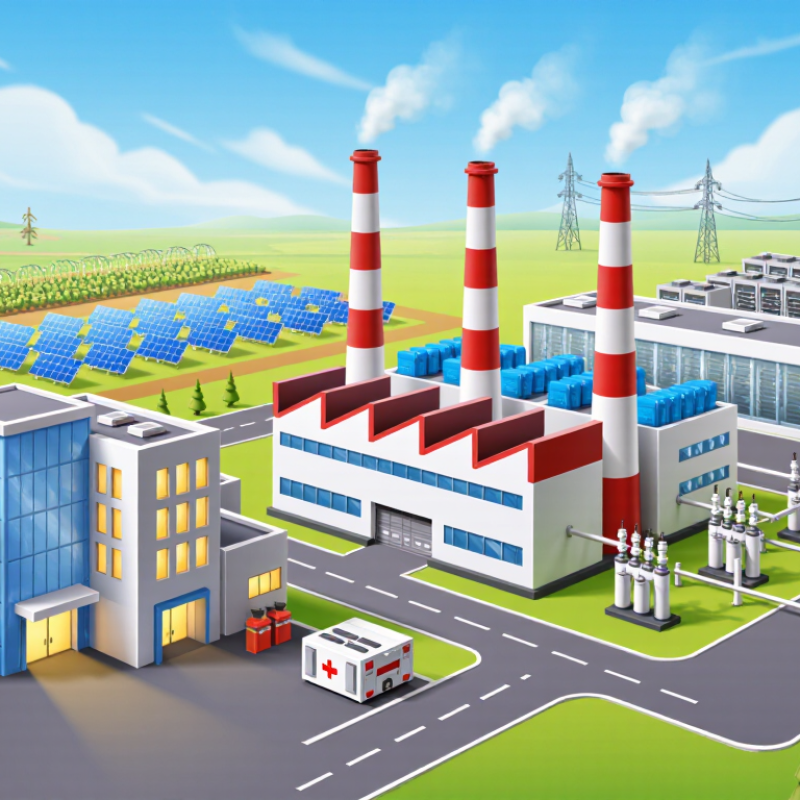
Industrial energy demand is large and often unforgiving: a production line cannot always pause when grid prices spike. The IEA’s Energy Efficiency 2023 report estimates that industry accounted for about 37% of global final energy use in 2022. Storage can charge during low-price hours or midday solar peaks, then supply power when demand or prices rise. This can help factories, mines, and cold-storage facilities manage peak loads. Batteries respond quickly, while thermal storage can hold heat or chilled water for later use. A cold room and a furnace need different solutions. The detail matters.
The IEA’s Batteries and Secure Energy Transitions report says annual battery-storage additions in the power sector more than doubled in 2023, reaching 42 GW. That figure does not predict savings at an individual factory; it reflects growth in grid flexibility. Site managers should review hourly load data, outage costs, tariffs, and process temperatures before sizing storage. A system may support refrigeration, pumps, or control equipment during short interruptions. Not a cure-all. Batteries may not cover prolonged outages economically, and storage cannot replace efficient equipment. A poorly matched system may sit idle while the facility still buys power at peak rates. That deserves a hard look.
Power generators with large solar and wind fleets benefit most when output and demand do not align. Solar plants may produce surplus electricity at noon, while homes and businesses need more power after sunset. Grid-connected batteries can absorb some of that midday supply and release it during evening peaks. They also respond quickly when clouds reduce solar output or wind speeds change.
The opportunity is growing. Ember’s Global Electricity Review 2024 reported that wind and solar supplied 13.4% of global electricity in 2023. The International Energy Agency’s Batteries and Secure Energy Transitions report (2024) says global battery storage capacity needs to expand sixfold, reaching 1,200 gigawatts by 2030, to support energy and climate goals. For renewable generators, storage can help shift production to more useful hours and reduce some curtailment. The benefit depends on local grid conditions.
Storage is not a cure-all. A battery beside a remote wind farm cannot fix every transmission bottleneck, and several cloudy days may exceed its stored energy. Operators must match battery duration to the job: short bursts can help balance the grid, while longer shifts require more capacity. These choices are easy to underestimate. Even good forecasts can be wrong.
Manufacturing plants use energy in uneven bursts: furnaces, compressors, and production lines can peak at different hours. The International Energy Agency’s Energy Efficiency 2023 report estimates that industry uses about 37% of global final energy. That is substantial. On-site storage can charge when electricity is cheaper or renewable output is high, then discharge during costly peaks. A cold-storage warehouse might shift refrigeration loads; a metalworks site could store heat for a later process. Not every shift fits.
Thermal storage can be especially relevant where plants need steady, high-temperature heat, while batteries can support faster electrical balancing. The U.S. Department of Energy’s Industrial Decarbonization Roadmap (2022) reports that industry accounts for about 30% of U.S. primary energy consumption and energy-related carbon emissions. Storage may help reduce peak demand and support electrification, but savings depend on tariffs, operating schedules, and process temperatures. It is not a plug-and-play fix. Poorly sized systems can sit idle or add conversion losses. Plant engineers should compare hourly load data with storage duration, heat quality, and outage needs before investing. One awkward reality: production schedules change, and aging equipment rarely behaves exactly like a model.
Indicative discharge-duration ranges for common industrial energy-storage applications
Storage can help factories and heavy-industry sites manage demand peaks, shift electricity use, support critical loads, and store heat or cooling. Ranges are indicative design examples, not fixed limits; actual duration depends on site loads and system design. The U.S. Department of Energy commonly defines long-duration energy storage as storage lasting 10 hours or more.
Transportation is becoming a major use case for energy storage. The International Energy Agency’s Global EV Outlook 2024 reports that public charging points grew by over 40% in 2023. Fast chargers grew by 55%. That matters. A busy depot may have several vehicles arriving together, then drawing power during the same evening peak.
On-site batteries can charge when electricity demand is lower, then support vehicle charging during rush periods. They can also help sites with limited grid connections avoid some immediate upgrade pressure. The U.S. Department of Energy’s Alternative Fuels Data Center estimates Level 2 charging can take four to ten hours, while DC fast charging may take about 20 minutes to one hour. That gap makes timing important. A battery can smooth sudden demand, but its size must match real driving schedules.
Still, storage is not magic. Operators need to assess vehicle arrival times, charger use, local electricity rates, and battery replacement costs. A delivery depot with predictable overnight parking may need a different system from a highway rest stop with brief, intense charging sessions. Poorly sized storage can sit idle or drain too quickly. The IEA figures show rapid infrastructure growth, but they do not tell each site how much storage it needs. That part requires careful measurement.
Commercial buildings often face sharp swings in electricity use. An office tower may draw heavily when cooling systems, elevators, and lighting run together on a hot afternoon. Battery storage can reduce peak demand by supplying some of that power for short periods. It can also store energy when demand is lower, then release it during busy hours. The benefit depends on local tariffs, building load patterns, and battery controls. A poorly sized system may save less than expected. That deserves careful review.
Data centers need steady power for servers and cooling equipment. Even a brief interruption can disrupt operations, so storage can support backup systems while generators start or other power sources respond. It may also help manage short demand spikes. But batteries are not a substitute for tested backup plans, clear operating procedures, or regular maintenance. Details matter.
Healthcare facilities have similar reliability needs, with added concerns around clinical spaces, refrigeration, and essential equipment. Storage can help keep selected loads operating during an outage, such as emergency lighting or critical monitoring systems. Facility teams need to define those loads in advance and test the arrangement under realistic conditions. That planning can be imperfect at first; real operating data often reveals assumptions worth revisiting.
Batteries can charge during low-price hours and supply power during peak periods. Thermal storage can hold heat or chilled water. A cold room and a furnace need different solutions.
Review hourly electricity use, tariffs, outage costs, and process temperatures. A system that looks suitable on paper may sit idle in practice.
They may support selected equipment during short interruptions, such as pumps or refrigeration. They may not cover prolonged outages economically. Not a cure-all.
An on-site battery can charge when demand is lower and support chargers during busy periods. This can help when several vehicles arrive together.
A depot with vehicles parked overnight has different needs from a rest stop with brief charging sessions. Check arrival times, charger use, and replacement costs. The first estimate may be wrong.
Yes. A building can draw stored power when cooling, elevators, and lighting overlap on a hot afternoon. The benefit depends on tariffs and actual load patterns.
Storage can support backup systems while other power sources respond. It can also help manage short demand spikes. Details matter.
Facilities can identify selected loads, such as emergency lighting, refrigeration, or critical monitoring equipment. Teams should test the setup under realistic conditions. Plans may need revision.
Energy storage helps industries manage changing energy demand, improve reliability, and make better use of electricity generated from renewable sources. When power is stored during periods of plentiful supply and used when demand rises, organizations can reduce pressure on the grid, maintain essential operations, and respond more flexibly to interruptions. The question of what industries benefit most from energy storage has several answers, since its value depends on each sector’s energy needs and operating patterns.
Power generation companies can use storage to balance variable renewable output and provide electricity when production dips. Manufacturing and heavy industry can draw on stored power during peak periods and support consistent production. Transportation networks and electric vehicle infrastructure can store energy to help meet charging demand. Commercial buildings, data centers, and healthcare facilities can also benefit from backup power and improved energy management, helping protect critical equipment and services.

CCSC Energy