Global energy storage is moving from a niche technology into critical infrastructure for power systems, factories, and commercial buildings. The International Energy Agency reported that battery storage additions reached nearly 42 GW globally in 2023, almost doubling from the previous year. This expansion reflects a practical need: solar panels may produce surplus electricity at noon, while factories often require power after sunset. For global buyers, the question is no longer only about battery capacity. It is about safety, system lifespan, software, supply chains, and measurable project returns.
So, what are the latest trends in energy storage solutions? This guide examines seven developments shaping purchasing decisions, including lithium iron phosphate batteries, longer-duration storage, hybrid solar-plus-storage systems, intelligent energy management, and second-life applications. BloombergNEF’s 2024 battery price survey showed average lithium-ion pack prices falling to approximately 115 US dollars per kilowatt-hour, although regional prices and project costs remain different. Cheaper cells do not automatically mean cheaper ownership. Installation, replacement planning, financing, and grid connection can change the final calculation.
Real projects are less tidy than market forecasts suggest. A battery may perform well in a laboratory but lose value under heat, dust, weak grid conditions, or poor maintenance. The IEA also emphasizes that battery demand is expanding rapidly across electric mobility and stationary storage, increasing pressure on minerals, manufacturing capacity, and recycling systems. Buyers should therefore compare warranty terms, degradation curves, thermal protection, fire-response design, certifications, and supplier service records. Forecasts can be wrong. Careful due diligence remains the most reliable storage strategy.
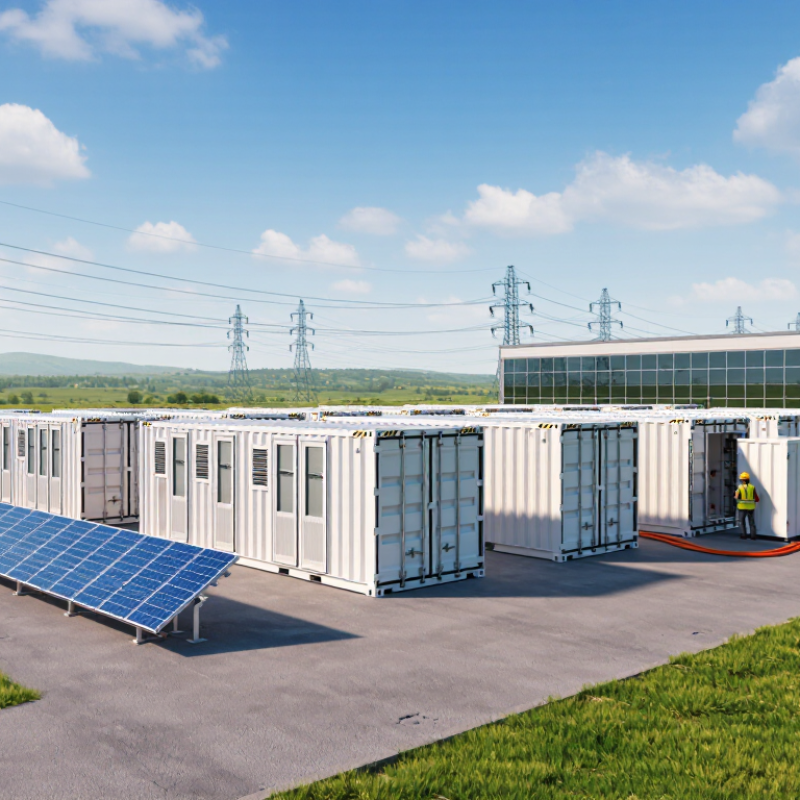
The global energy storage market is no longer a single technology race. Buyers now compare duration, safety, financing, and local grid rules. Lithium-based systems remain common, while flow batteries and thermal storage support longer-duration projects. The best choice depends on the site, not a sales brochure. A two-hour system may shift solar power daily. An eight-hour system may strengthen evening resilience. Weather matters too. Heat, dust, humidity, and weak grid connections can change performance.
In procurement reviews, I look beyond the quoted megawatt price. Buyers should examine usable energy, degradation guarantees, replacement parts, software access, and response time. Ask for measured performance under local temperatures. Request independent safety testing and recognized certification records. A low initial price can hide costly augmentation after several years. We once treated calendar aging as a minor issue. That assumption was too optimistic. Real operating data often reveals stronger seasonal losses than the original model.
Global buyers also need a disciplined supplier check. Review factory capacity, financial stability, warranty limits, cybersecurity controls, and after-sales coverage. Confirm who owns performance data. Check whether local technicians can respond within hours, not weeks. Currency changes and import duties may reshape the budget. Local training is equally practical. Poor commissioning can reduce output, even with excellent equipment. Recycling plans, grid requirements, and project financing deserve equal attention. Forecasts remain uncertain. Yesterday’s cost assumptions may already be outdated.
7 Energy Storage Trends Tips for Global Buyers?
Comparing Leading Energy Storage Technologies
Energy storage buyers should compare duration, safety, degradation, and service conditions—not only price. The IEA’s Batteries and Secure Energy Transitions report states that global battery storage additions nearly tripled in 2023, reaching about 42 GW. Lithium-ion systems dominate because they respond quickly and fit daily solar shifting. LFP chemistry usually offers stronger thermal stability and longer cycle life than nickel-rich alternatives. However, cold climates, limited grid capacity, and weak maintenance support can change the calculation.
Pumped hydropower still represents roughly 90% of installed storage capacity worldwide, according to the IEA. It suits large sites with suitable terrain and long discharge periods. Flow batteries can provide extended-duration storage with low fire risk, but their larger footprint and higher upfront complexity require careful engineering. Sodium-ion batteries may reduce dependence on certain minerals, yet their commercial track record remains less mature. The 2024 BloombergNEF Battery Price Survey reported an average lithium-ion pack price of 115 dollars per kWh, but project costs include inverters, construction, financing, and replacement reserves.
A serious comparison should model five, ten, and fifteen-year performance. Include round-trip efficiency, usable capacity, warranty limits, recycling routes, and local permitting. Lazard’s Levelized Cost of Storage analysis shows that costs vary widely by duration and application. A low quoted price can hide expensive augmentation later. That lesson deserves attention. No technology wins every site, and neat spreadsheets can still mislead when climate, tariffs, and grid rules are treated as footnotes.
| Trend | Buyer Tip | Best-Fit Technologies | Typical Duration | Round-Trip Efficiency | Typical Cycle Life | Key Procurement Considerations |
|---|---|---|---|---|---|---|
| 1 Match storage duration to the application | Define whether the project needs fast frequency response, daily peak shifting, or multi-day energy backup before selecting a chemistry. |
Lithium-ion LFP for short-to-medium duration; flow batteries for longer daily cycling; pumped hydro for large-scale long duration. |
LFP: approximately 1–4 hours Flow: approximately 4–12+ hours Pumped hydro: approximately 8–24+ hours |
LFP: approximately 88–95% Flow: approximately 65–85% Pumped hydro: approximately 70–85% |
LFP: approximately 4,000–10,000 cycles Flow: often 10,000–20,000+ cycles |
Compare the levelized cost of stored electricity rather than only the initial cost per kilowatt-hour. |
| 2 Safety and thermal management are becoming decisive | Require cell-level monitoring, thermal propagation testing, fire detection, ventilation, emergency shutdown, and site-specific safety studies. |
LFP generally offers better thermal stability than nickel-rich lithium-ion systems; flow batteries separate stored energy from power-conversion equipment. |
Suitable for both short-duration and long-duration systems, depending on the design. |
LFP: approximately 88–95% Flow: approximately 65–85% |
LFP: approximately 4,000–10,000 cycles Flow: often 10,000–20,000+ cycles |
Check compliance with applicable electrical, fire, transportation, and grid-interconnection standards in the destination country. |
| 3 Supply-chain diversification is increasing interest in sodium-ion | Consider sodium-ion where lower raw-material exposure and improved low-temperature performance are more important than maximum energy density. |
Sodium-ion for stationary storage and moderate-range applications; LFP for more established high-volume stationary deployments. |
Commonly approximately 1–4 hours for current stationary applications. |
Sodium-ion: commonly approximately 80–92% LFP: approximately 88–95% |
Sodium-ion: commonly approximately 3,000–6,000 cycles LFP: approximately 4,000–10,000 cycles |
Verify commercial operating history, bankability, warranty assumptions, energy density, and availability of replacement cells. |
| 4 Long-duration storage is moving beyond conventional lithium-ion | For renewable overproduction, evening delivery, or multi-hour resilience, evaluate technologies using degradation-adjusted lifetime cost. | Flow batteries, pumped hydro, compressed-air energy storage, thermal storage, and selected lithium-ion configurations. |
Flow: approximately 4–12+ hours Pumped hydro: approximately 8–24+ hours Thermal or compressed-air systems: project-specific |
Flow: approximately 65–85% Pumped hydro: approximately 70–85% Thermal systems: often lower and application-specific |
Flow and pumped hydro can support many thousands of cycles; project life may reach 20–50 years depending on the asset. | Assess land requirements, water or electrolyte management, permitting, auxiliary loads, and construction schedule. |
| 5 Hybrid systems are improving project flexibility | Combine technologies when one device cannot economically provide both rapid power and long-duration energy. |
LFP plus flow battery; battery plus supercapacitor; battery plus thermal storage. |
From milliseconds for supercapacitors to more than 10 hours for long-duration systems. | Overall efficiency depends on the operating mode, power-conversion equipment, and energy-management strategy. | High-power components may experience more frequent cycling; the energy-storage component can be optimized for slower cycling. | Confirm that the energy-management system can dispatch multiple assets and allocate warranty limits correctly. |
| 6 Software, interoperability, and grid services matter more | Evaluate the battery-management system, energy-management system, data access, cybersecurity, forecasting, and remote diagnostics as part of the core product. | All technologies can participate, provided their inverter and control systems meet grid requirements. | Response time may range from milliseconds for frequency services to hours for energy shifting. | Measure efficiency at the complete system level, including inverter, transformer, HVAC, controls, and standby consumption. | Software can reduce unnecessary cycling and help protect usable capacity over the warranty period. | Request open communication protocols, performance data exports, alarm histories, software-update policies, and clear service-level agreements. |
| 7 Circularity, recycling, and end-of-life planning are becoming purchasing requirements | Include transportation, refurbishment, recycling, hazardous-material handling, and residual-value assumptions in the total-cost model. |
LFP and other lithium-ion systems require battery recycling pathways; lead-acid has a mature recycling chain; flow batteries may allow electrolyte recovery or reuse, depending on chemistry. |
Not applicable; evaluate the full asset life and replacement schedule. | Not applicable; compare usable energy delivered over the complete project life. |
Lead-acid: approximately 500–2,000 cycles LFP: approximately 4,000–10,000 cycles Flow: often 10,000–20,000+ cycles |
Ask for material declarations, recycling certificates, take-back terms, second-life conditions, and end-of-life cost responsibility. |
Battery prices are falling, but purchase price alone can mislead buyers. BloombergNEF reported an average lithium-ion battery price of 115 dollars per kilowatt-hour in 2024. That represented a 20% annual decline. However, containers, inverters, installation, grid studies, insurance, and replacement parts still raise total project costs. Ask suppliers for a complete lifecycle model, not only a factory quotation. My first spreadsheet usually misses small charges. Those charges become large later.
Performance should match the operating task. A two-hour system cannot replace a six-hour resource without oversizing. The International Energy Agency reported nearly 42 gigawatts of new battery storage capacity in 2023. This growth reflects rising demand for peak shifting, frequency control, and renewable integration. Buyers should compare round-trip efficiency, usable capacity, degradation, response time, and availability guarantees. A high efficiency figure means little if capacity fades quickly in hot weather.
Safety requires evidence, testing, and disciplined installation. Request documented thermal-runaway testing, fire detection details, ventilation design, emergency procedures, and maintenance records. UL 9540A testing and NFPA 855 guidance can support technical reviews, although local authorities may require additional measures. Site temperature matters. Dust matters too. The IEA warns that battery supply chains remain concentrated, creating delivery and resilience risks. A cheaper system with uncertain spare parts may become the expensive option. Recheck every assumption before signing.
Global buyers should assess energy storage through policy, supply chains, and regional demand, not price alone. IRENA reported 473 GW of renewable capacity additions in 2023, creating stronger demand for flexible storage. The IEA also found that battery demand for stationary applications grew sharply in 2023. Growth is real. Forecasts are not promises.
Policy can change project economics within months. Buyers should examine auction rules, grid-connection timelines, tax incentives, local-content requirements, and recycling obligations. The IEA’s Batteries and Secure Energy Transitions report highlights concentrated mineral processing as a supply-chain risk. A low quotation may hide exposure to shipping delays, customs changes, or restricted materials. Request traceable origin records, warranty conditions, replacement-part plans, and tested safety data.
Regional differences matter. Europe emphasizes market integration, fire safety, and circularity. North America increasingly links incentives with domestic production and sourcing rules. In Asia, large-scale renewable deployment supports competitive battery manufacturing and expanding storage demand. These patterns should guide contract design, but they do not replace site-level analysis. A hot climate, weak grid, or limited technician network can reduce actual performance. Buyers should compare usable energy, degradation, response time, and round-trip efficiency under local conditions. The imperfect part is often installation. A technically strong system can still miss its target when permitting, forecasting, or maintenance assumptions are too optimistic.
Selecting the Right Storage Solution for Global Projects
Global energy projects need more than a large battery cabinet. Buyers should match storage duration, local weather, grid rules, and daily operating patterns. A two-hour system may suit peak shaving, while remote solar projects often need longer backup. Capacity alone can mislead.
Tip: Build a project profile before requesting quotations. Record load curves, renewable output, ambient temperatures, humidity, and expected cycling frequency. Ask suppliers for tested efficiency at real operating conditions, not only ideal laboratory figures. Check thermal management, fire protection, monitoring access, and maintenance requirements. Small details matter, especially where technicians are far away.
Financial evaluation should include installation, transportation, software, replacement parts, and end-of-life handling. Review warranty limits carefully. Some warranties depend on temperature, depth of discharge, or annual cycling. Confirm compliance with applicable electrical, safety, and environmental standards in each destination. Local certification may affect schedules and costs. It is also wise to assess spare-part availability and response times before signing. No selection method is perfect. Forecasts can change, and early assumptions may prove too optimistic. A flexible design, clear performance data, and independent technical review can reduce that risk. The cheapest offer may not deliver the lowest lifetime cost.
Compare duration, safety, degradation, efficiency, usable capacity, and service conditions. Price alone can hide replacement and maintenance costs. Check real operating data.
Lithium-ion systems respond quickly and fit many daily solar-shifting projects. LFP chemistry often provides stronger thermal stability and longer cycle life. Cold weather can reduce performance.
Pumped hydropower suits large sites with suitable terrain and long discharge periods. It represents about 90% of installed storage capacity worldwide. Terrain is the hard part.
Flow batteries can support longer-duration storage with relatively low fire risk. Their tanks require more space and careful engineering. The footprint may surprise buyers.
Sodium-ion batteries may reduce dependence on certain minerals. However, their commercial experience remains less mature than lithium-ion technology. Buyers should request operating references.
Include containers, inverters, construction, transport, financing, grid studies, insurance, software, and replacement parts. End-of-life handling also matters. Small charges grow.
Model performance over five, ten, and fifteen years. Compare round-trip efficiency, usable capacity, response time, degradation, and availability guarantees. A two-hour system cannot replace six hours without oversizing.
Request thermal-runaway testing, fire detection details, ventilation plans, emergency procedures, and maintenance records. Review local electrical and safety requirements. Paperwork is not the whole answer.
Record temperature, humidity, dust, load curves, renewable output, and cycling frequency before requesting quotations. Confirm spare-part availability and technician response times. Remote sites need extra caution. Forecasts can still fail.
Global energy storage is evolving rapidly as buyers seek reliable, flexible, and cost-effective solutions for renewable integration, backup power, grid stability, and industrial applications. Understanding the global market requires comparing technologies such as lithium-based batteries, flow batteries, thermal storage, compressed-air systems, and other emerging options. Key evaluation factors include upfront and lifecycle costs, energy and power capacity, efficiency, operating lifespan, maintenance needs, scalability, and safety performance. Buyers should also consider project location, climate, grid conditions, and long-term expansion plans.
When asking, “what are the latest trends in energy storage solutions,” global purchasers should examine the growth of long-duration storage, hybrid renewable-storage systems, intelligent energy management, modular designs, recycling initiatives, and locally adapted supply chains. Policy incentives, import requirements, material availability, transportation conditions, and regional market development can strongly influence project feasibility. Selecting the right solution ultimately depends on matching technical performance, safety standards, budget, policy conditions, and operational goals with the specific requirements of each global project.

CCSC Energy