As energy costs continue to rise globally, the focus has shifted towards innovative solutions. One such solution is energy storage. Many wonder how can energy storage reduce electricity costs? This method stores excess energy generated during low-demand periods for later use. By utilizing stored energy, households and businesses can significantly reduce their reliance on grid power during peak times.
Energy storage systems, including batteries, offer flexibility and efficiency. These technologies can manage energy supplies effectively. They provide an alternative during outages and unexpected spikes in demand. Investing in energy storage not only offers immediate benefits, but it also contributes to a sustainable future.
However, challenges remain. High initial costs and limited awareness can hinder widespread adoption. It’s essential to evaluate these factors critically. As we explore energy storage's potential, we must address these imperfections to enable more sustainable energy practices. This will ultimately lead to lower electricity costs for everyone.
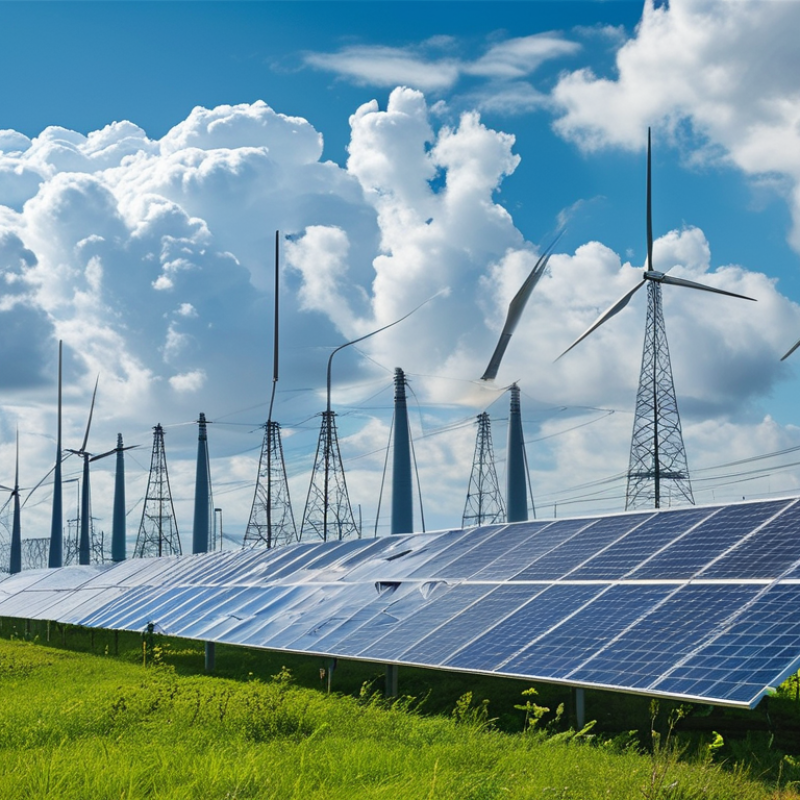
Energy storage technologies have advanced rapidly. They store excess energy generated during low-demand periods. This energy can be used during peak times. By doing so, users can reduce their overall electricity costs. Battery systems, for example, can help manage energy usage better. These systems provide immediate power when needed, minimizing reliance on the grid.
Different energy storage options exist. Each has unique advantages and limitations. Lithium-ion batteries offer high efficiency but may have a shorter lifespan. Pumped hydro systems are reliable but depend on geographical factors. Choosing the right system involves evaluating individual needs and budgets. Some might find complex choices overwhelming, possibly leading to regret later.
Understanding these technologies can empower consumers. Knowledge is key to making informed decisions. The benefits are clear: lower costs and more reliable power. However, the right solution depends on various factors. Rushing into a decision without careful consideration might lead to unforeseen challenges.
| Energy Storage Technology | Cost per kWh | Storage Capacity (MWh) | Lifespan (Years) | Key Benefits |
|---|---|---|---|---|
| Li-ion Battery | $150 | 100 | 10-15 | High efficiency, rapid response |
| Pumped Hydroelectric | $100 | 150 | 30-50 | Large capacity, long lifespan |
| Flywheel Energy Storage | $400 | 10 | 20 | High power, quick charge/discharge |
| Solid State Battery | $300 | 50 | 10-20 | Safer, higher energy density |
| Lead-Acid Battery | $250 | 20 | 3-5 | Low cost, established technology |
Energy storage plays a vital role in managing electricity supply and demand. As renewable energy sources like wind and solar become more prevalent, they introduce variability to the grid. According to the International Energy Agency (IEA), energy storage can reduce the need for fossil fuel backup generation by up to 90%. This shift can significantly lower electricity costs for consumers.
Battery systems, for example, can store excess energy generated during peak production periods. When demand peaks, stored energy is released, ensuring a stable supply. The U.S. Department of Energy reports that energy storage systems can improve grid reliability and cut peak demand charges, which can account for nearly 30% of a commercial customer's electricity bill.
Despite these advantages, energy storage also faces challenges. Initial investment costs can be high, and the technology is still evolving. Storage solutions like lithium-ion batteries have made progress but can present environmental concerns during production and disposal. Energy policies must evolve to support wider adoption and address these complexities to maximize the benefits of energy storage in balancing supply and demand dynamics effectively.
Energy storage solutions are becoming increasingly vital for reducing electricity costs globally.
According to the International Renewable Energy Agency (IRENA), the cost of utility-scale lithium-ion batteries has fallen by 89% since 2010.
This significant price drop is driving the adoption of energy storage systems worldwide.
They allow for better management of energy supply and demand, particularly during peak hours when electricity prices soar.
One primary mechanism for cost reduction is peak shaving.
This strategy leverages stored energy during periods of high demand, enabling users to avoid higher rates.
A recent report from Lazard indicates that energy storage systems can reduce electricity costs by up to 30% in specific scenarios.
Additionally, demand charge management offers businesses a way to minimize charges based on their peak electricity usage.
This can lead to substantial savings, especially for large facilities.
However, challenges remain. The initial investment for storage systems can be high, and performance can vary based on location and technology.
Proper integration into existing electricity infrastructure is essential for maximizing benefits.
Ongoing research and development in the sector seek to address these imperfections by improving technology efficiency and lowering costs even further.
The journey to optimal energy storage solutions is still evolving, but the potential for significant economic impact is clear.
Energy storage systems are reshaping how we manage electricity costs. In places like Germany, energy storage has played a crucial role. These systems let consumers store excess energy from renewable sources. When energy prices spike, users draw from their stored supply, reducing peak demand costs.
Consider the example of a community in Australia. Inspired by local conditions, they adopted solar batteries. Over time, residents reported significant savings on electricity bills. This shift not only cut costs but also enhanced grid reliability. The community's experience highlights that local conditions influence the effectiveness of energy storage solutions.
However, implementation isn't without challenges. High initial costs can deter some consumers. The technology may require specific infrastructure, which varies by location. As energy markets evolve, keeping energy storage accessible remains vital. Learning from global case studies helps stakeholders understand these complexities. Each case illustrates the promise and pitfalls of energy storage strategically employed.
Energy storage plays a crucial role in shaping the future of electricity costs. As renewable energy sources proliferate, they bring variability in generation. According to the International Renewable Energy Agency (IRENA), energy storage systems can reduce peak demand charges by up to 30%. This can significantly lower electricity bills for consumers and businesses alike.
The economic impact is substantial. A recent report from Lazard projects that the cost of utility-scale battery storage could fall by 70% by 2030. Many countries are investing heavily in energy storage infrastructure. The U.S. Department of Energy indicates that by 2040, energy storage could support around 30% of hourly energy demand in the grid. This trend reflects a clear shift toward more efficient energy management.
However, challenges remain. The current battery technology has limitations, especially regarding material sustainability. While costs are decreasing, supply chain issues often arise. This creates uncertainty for large-scale deployment. The transition to a low-carbon economy hinges on overcoming these hurdles, highlighting the need for continued research and development in efficient energy storage solutions.
: Energy storage helps balance supply and demand, especially with variable renewable energy sources.
Energy storage can reduce the need for fossil fuel backup generation by up to 90%.
They store excess energy and release it during peak demand, ensuring a stable supply.
Peak demand charges can account for nearly 30% of a commercial customer's electricity bill.
High initial investment costs and evolving technology can hinder adoption.
Concerns arise during both production and disposal of these batteries.
The cost of utility-scale lithium-ion batteries has fallen by 89%.
Peak shaving uses stored energy during high demand to avoid higher electricity rates.
Demand charge management helps businesses reduce charges based on peak usage.
It ensures maximum benefits and efficiency within existing electricity infrastructure.
Energy storage technologies play a pivotal role in the modern energy landscape by providing various benefits that contribute to reduced electricity costs globally. By understanding how can energy storage reduce electricity costs, we recognize its significance in balancing supply and demand, allowing for the efficient storage of excess energy generated during peak production times. This stored energy can then be released during high demand periods, leading to cost savings and greater grid stability.
Additionally, cost reduction mechanisms associated with energy storage solutions include the potential for lower peak demand charges and decreased reliance on costly fossil fuel generation. Global case studies illustrate how various regions have successfully implemented energy storage systems, resulting in substantial savings on electricity bills. As we look to the future, emerging trends in energy storage promise to further enhance economic impacts, paving the way for a more sustainable and cost-effective energy future.

CCSC Energy