How Energy Storage Can Enhance Energy Independence Globally?

Time:2026-07-23 Author:Liam
0%

Energy independence is a critical goal for many nations. As global energy demands rise, the role of energy storage becomes increasingly significant. "How does energy storage support energy independence" is a central question shaping discussions around energy policy. According to a report by the International Energy Agency (IEA), countries that invest in advanced energy storage technologies can reduce reliance on imports by up to 30%. This shift creates not only economic benefits but also enhances national security.

Energy storage systems allow for a more efficient use of renewable resources. In 2022, the Global Energy Storage Market Report indicated a 50% increase in energy storage installations compared to the previous year. With battery storage, excess solar and wind energy can be stored. This mitigates the intermittency of these resources. Yet, challenges persist. The high initial costs of storage technologies can deter investments. Moreover, supply chain constraints can hamper scalability.

Ultimately, the path to energy independence through storage is fraught with complexities. As nations look to diversify their energy sources, understanding the multifaceted benefits of energy storage becomes essential. Constructive debates about policies and technological advancements will shape this evolving landscape.
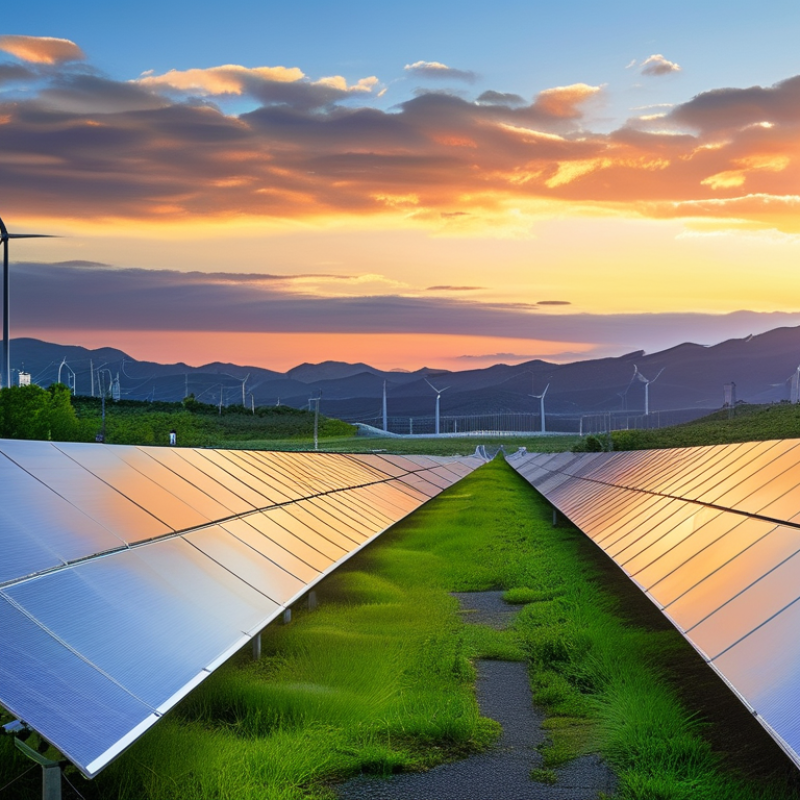
How Energy Storage Can Enhance Energy Independence Globally?

The Role of Energy Storage in Achieving Energy Independence

Energy storage plays a vital role in achieving energy independence. By storing surplus energy, countries can utilize it during high-demand periods. This capability reduces reliance on imports and stabilizes local energy markets. With advances in battery technology, storage options have expanded significantly.

Many communities now invest in renewable energy systems linked to storage solutions. This integration allows for uninterrupted power supply, even during outages. However, the challenge remains in selecting appropriate technologies. Not all storage methods are equally efficient or suitable. It’s critical to evaluate costs and environmental impacts.

Tips: Consider energy efficiency when planning storage systems. Look into local regulations that govern energy storage. Engage with local experts to determine the best choices for your needs. Thoughtful planning can yield long-term benefits. Keep in mind that energy storage is an evolving field. Ongoing research may lead to new solutions and improvements.

Types of Energy Storage Technologies Supporting Global Independence

Energy storage technologies play a vital role in achieving global energy independence. Various types of storage systems are becoming increasingly important. They allow nations to harness renewable energy and reduce reliance on imported fossil fuels.

Battery storage systems are among the most common technologies. They provide a quick response to energy demand. These systems can store excess solar or wind energy, releasing it when needed. While effective, they can have high upfront costs and environmental concerns related to material sourcing.

Pumped hydro storage is another solution. It uses water to store energy, pumping it to a higher elevation when demand is low. When energy is needed, the stored water is released to generate electricity. This technology is reliable but geographically limited, requiring suitable sites.

Tip: Consider the energy resources in your area. Understanding local conditions can guide your choice of energy storage technology.

Some newer technologies include compressed air storage. This method compresses air in underground caverns and releases it to generate power. It is still experimental and not widely adopted due to technical challenges.

Tip: Stay informed about advancements in energy storage. Research and learning can help in making sustainable choices as technologies evolve.

Benefits of Energy Storage in Renewable Energy Integration

Energy storage plays a vital role in integrating renewable energy sources like solar and wind. According to the International Renewable Energy Agency (IRENA), global investments in energy storage reached over $2 billion annually by 2021. This technology stabilizes energy supply, addressing intermittency issues inherent in renewables. Battery systems can store excess energy generated during peak production times and release it when demand is high.

In regions heavily reliant on renewables, energy storage reduces reliance on fossil fuels. For instance, California aims to achieve 100% clean energy by 2045, with energy storage accounting for a significant portion of the strategy. Yet, challenges exist. The current technology can sometimes be costly, and recycling spent batteries remains an unresolved issue. Despite such hurdles, the potential benefits are enormous. Enhancing grid resilience and reducing greenhouse gas emissions are key outcomes.

Moreover, industry reports suggest that by 2030, energy storage capacity could exceed 1,200 gigawatt-hours worldwide. However, markets must adapt to fluctuations in energy prices, posing risks for investors. As energy storage continues to evolve, its integration into global energy systems will likely reshape the landscape of energy independence. Addressing these complexities is crucial as we move forward.

Economic Impacts of Energy Storage on National Energy Security

Energy storage is critical for enhancing national energy security. By storing excess energy, countries can reduce dependence on foreign energy sources. This aspect is particularly essential during crises when energy supply becomes unpredictable. Energy storage systems, such as batteries and pumped hydro, provide backup power. They help stabilize the grid during peak demand, preventing blackouts.

The economic impact of energy storage is significant. Investing in storage technologies creates jobs and fosters innovation. Local economies benefit from increased energy resilience. However, challenges remain. Infrastructure costs can be high. Additionally, regulatory frameworks must evolve to support new technologies. Some nations struggle with outdated policies that hinder progress.

Moreover, energy storage can lead to market fluctuations. If not managed properly, it could undermine renewable energy efforts. Stakeholders need to consider these potential downsides. Finding a balance between growth and stability is crucial for long-term energy independence.

How Energy Storage Can Enhance Energy Independence Globally? - Economic Impacts of Energy Storage on National Energy Security

Country Energy Storage Capacity (GWh) Percentage of Renewable Energy Utilization (%) Reduction in Energy Imports ($ Billion) Job Creation (Thousands)
USA 25 30 15 150
Germany 20 40 10 80
China 40 50 20 200
India 15 25 8 60
Australia 10 35 5 30

Challenges and Solutions in Implementing Energy Storage Systems

Energy storage systems (ESS) play a crucial role in enhancing energy independence worldwide. However, implementing these systems is not without challenges. A major issue is the cost of installation and maintenance. Many regions lack the financial resources needed to invest in advanced battery technologies. This limitation often hinders the transition to renewable energy sources.

Another significant challenge is technology reliability. While some energy storage solutions have matured, others are still in development. Users may face unexpected failures or performance issues, leading to skepticism about their efficacy. Building trust in these technologies requires extensive testing and validation. Additionally, regulatory hurdles can complicate the adoption process. Permitting and compliance can slow down project timelines, putting energy independence goals at risk.

Despite these challenges, innovative solutions are emerging. Collaborative efforts among governments, researchers, and private sectors can foster development. Community battery projects serve as a practical way to share costs and benefits. Promoting local manufacturing of storage technologies can also reduce reliance on imports. Staying open to learning from pilot projects and feedback is essential for ongoing improvements. As the landscape evolves, energy storage systems can still pivot from obstacles to opportunities for energy independence.

FAQS

: Why is energy storage important for national security?

: Energy storage reduces dependence on foreign sources. It provides backup power during unpredictable crises.

What are some common types of energy storage systems?

Common systems include batteries and pumped hydro. They stabilize the power grid during demand peaks.

How does energy storage impact the economy?

Investing in storage technologies creates jobs. Local economies gain energy resilience from these innovations.

What are the main challenges of implementing energy storage systems?

High installation costs hinder investment. Financial resources are often limited in various regions.

How reliable are current energy storage technologies?

Some technologies are mature, while others continue developing. Users may face unexpected failures and skepticism.

What role do regulations play in energy storage adoption?

Outdated policies can hinder progress. Permitting issues can slow down projects and affect energy independence goals.

How can communities benefit from energy storage solutions?

Community battery projects share costs and benefits. Local manufacturing can also reduce reliance on imports.

Why is it essential to learn from pilot projects?

Feedback allows for ongoing improvements. Learning encourages adaptation to new obstacles and opportunities.

Conclusion

Energy storage plays a crucial role in enhancing energy independence globally by providing reliable and resilient power sources. As countries strive for energy autonomy, various technologies, including batteries, pumped hydro, and thermal storage, support the integration of renewable energy. These systems not only facilitate the smooth incorporation of intermittent energy sources like solar and wind but also help stabilize the grid, ensuring a consistent supply of electricity.

Moreover, the economic impacts of energy storage are significant, as they contribute to national energy security by reducing dependence on imported fuels and mitigating price volatility. However, challenges such as high upfront costs and regulatory hurdles persist. Addressing these issues through innovative solutions and policies is essential. Ultimately, understanding **how energy storage supports energy independence** is key to advancing global sustainability efforts and fostering a more secure energy future.

Liam

Liam

Liam is a dedicated marketing professional with a profound expertise in the industry, where he excels at highlighting the unique advantages of our core products. With a keen understanding of market trends and consumer needs, Liam frequently updates our company’s professional blog, providing......