Energy storage plays a critical role in achieving carbon reduction goals. According to the International Energy Agency's 2021 report, transitioning to energy storage systems can reduce carbon emissions by up to 70% in power generation sectors. This transition is essential for mitigating climate change impacts. Experts like Dr. Emily Chen emphasize, "Energy storage not only enhances grid resilience but also accelerates our shift towards renewable energy sources."
Understanding how does energy storage contribute to carbon reduction goals is paramount. By capturing excess energy from renewable sources like wind and solar, energy storage systems can stabilize supply and demand. They allow for a smoother integration of renewables into existing grids. Moreover, energy storage reduces reliance on fossil fuels, minimizing greenhouse gas emissions.
However, challenges remain. The infrastructure for widespread energy storage is still developing. Not all regions have equal access to these technologies. Inconsistent storage solutions can lead to inefficiencies and missed opportunities in carbon reduction. Continued investment and innovation are crucial to overcoming these barriers and fulfilling our sustainability commitments. The path to a greener future relies heavily on effective energy storage solutions.
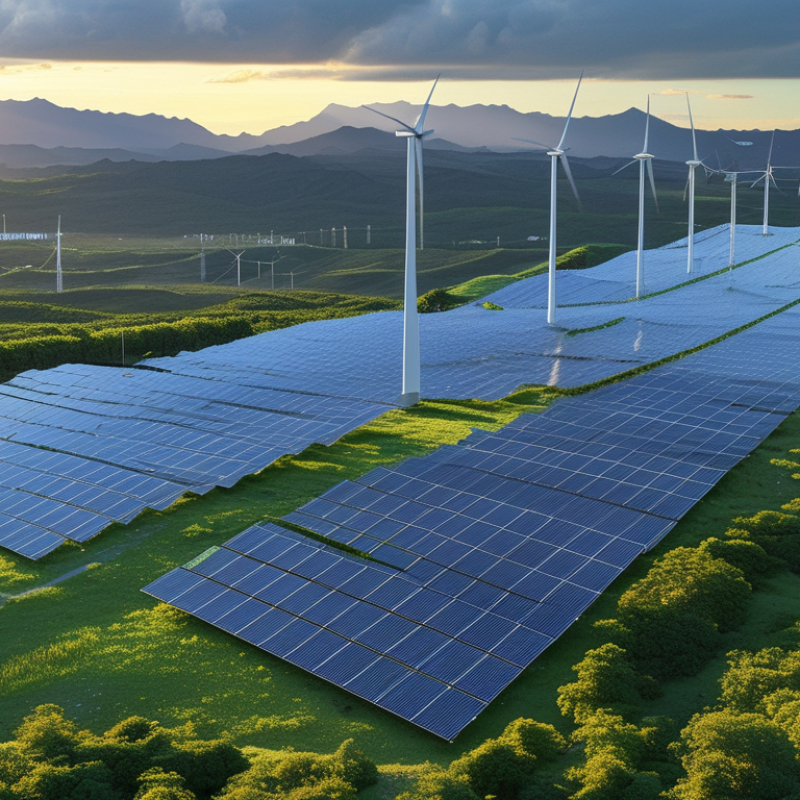
Understanding energy storage is essential for driving carbon reduction goals. Key technologies such as batteries, pumped hydro, and thermal storage play vital roles. Batteries, particularly lithium-ion, are prevalent in renewable energy systems. They store excess energy and release it when demand peaks, enabling a smoother energy supply.
Pumped hydro storage uses gravitational potential energy to balance load fluctuations. Water is pumped to higher elevations when energy is abundant and released to generate power during peak times. This efficient method satisfies both energy storage needs and enhances grid stability.
Finding the right balance is crucial. Over-reliance on any single technology can lead to inefficiencies. A diversified energy storage strategy can help mitigate risks and optimize carbon reductions. Investing in research and innovation is necessary. Technology must evolve to meet growing energy demands sustainably.
Use energy storage systems wisely. Analyze your local energy needs. Consider community engagement to drive acceptance and collaboration. This approach leverages local insights and can enhance project efficacy. Embrace the learning journey. Regular assessments and adjustments ensure continuous improvement toward carbon reduction goals.
This chart illustrates the impact of various energy storage technologies on carbon reduction goals. Each technology contributes to the reduction of greenhouse gas emissions through improved energy efficiency and the integration of renewable resources.
Energy storage plays a crucial role in enhancing grid stability and reliability. Batteries are essential for balancing supply and demand, especially as renewable energy sources grow. According to the International Energy Agency, battery storage capacity could reach 1500 GWh globally by 2040. This capability can shift surplus energy during peak production times to later, reducing reliance on fossil fuels.
Integrating batteries into the grid can help manage sudden fluctuations. For instance, a study by the U.S. Department of Energy highlighted that energy storage can provide frequency regulation services. These services help maintain the stability of the grid. With aging infrastructure, the increase in renewable energy can strain systems. Energy storage can mitigate these risks by ensuring a consistent power supply.
However, challenges remain in optimizing these technologies. While battery technology is improving, cost and resource availability pose significant hurdles. Lithium-ion batteries dominate the market, yet sourcing materials can lead to supply chain issues. The industry needs to explore alternative technologies and recycling methods to address these challenges. Balancing these factors is critical for meeting carbon reduction goals effectively without compromising grid reliability.
| Method | Description | Impact on Carbon Reduction (%) | Benefits |
|---|---|---|---|
| Grid Frequency Regulation | Maintains the balance between supply and demand. | 15% | Improved grid stability. |
| Peak Shaving | Reduces demand during peak periods. | 20% | Lower energy costs. |
| Energy Arbitrage | Storing excess energy during low demand. | 10% | Economic efficiency. |
| Integration of Renewables | Supports variable generation from renewables. | 25% | Increased renewable energy usage. |
| Black Start Capability | Restores power after outages. | 5% | Enhanced reliability. |
| Voltage Support | Helps maintain proper voltage levels. | 8% | Stronger grid performance. |
| Ancillary Services | Provides necessary support for the grid. | 12% | Operational efficiency. |
| Disaster Resilience | Supports energy needs during emergencies. | 7% | Improved community safety. |
| Electric Vehicle Charging | Supports EV infrastructure and charging demand. | 18% | Reduced fossil fuel dependence. |
| Microgrid Support | Facilitates local energy generation and consumption. | 23% | Energy independence. |
Energy storage plays a crucial role in integrating renewable energy sources. As we transition to cleaner energy, storage systems help manage the fluctuations of solar and wind power. Renewable energy generation often does not align with peak demand times. Energy storage bridges this gap. By storing excess energy during peak production, we can release it when needed.
Consider battery storage as a solution. These systems can hold energy generated during the day for use at night. This capability not only reduces waste but also enhances grid reliability. Further, these systems contribute to smoother energy flows. When energy is abundant, it can be stored instead of being lost. This leads to greater overall efficiency.
Monitoring energy consumption is vital. Analyzing patterns helps improve storage usage. An effective strategy includes evaluating when to discharge stored energy. Look for opportunities to save. Investing in smart meters can provide real-time data on energy use. Additionally, education on energy storage technologies can empower communities. By understanding its benefits, more individuals will engage in renewable energy solutions.
Energy storage systems play a crucial role in achieving carbon reduction goals. They facilitate the integration of renewable energy sources, such as solar and wind. By storing excess energy when production is high, these systems ensure a steady energy supply during peak usage times. This contributes to lowering reliance on fossil fuels, thus reducing carbon emissions.
Economic benefits are another significant aspect of energy storage. Lower energy costs help households and businesses save money. For example, businesses can avoid high electricity prices during peak hours. This leads to not just cost savings, but also a more stable energy grid. However, the initial investment in energy storage can be considerable. This may be a barrier for some small enterprises and individuals.
Despite these challenges, the potential for carbon reduction is substantial. Energy storage can align with sustainability efforts. It enables more efficient use of renewable energy, creating a win-win scenario. As research continues, we can uncover further insights into optimizing these technologies for broader adoption. The journey to better energy solutions requires ongoing evaluation and adjustments, ensuring that systems remain effective and accessible.
Energy storage systems have become instrumental in carbon reduction strategies. In various locations, innovative applications of these technologies showcase their effectiveness. One notable case is a community energy project that utilizes solar batteries to store excess energy. During high demand periods, the stored energy is released, reducing reliance on fossil fuels. This approach not only decreases emissions but also stabilizes energy costs for residents.
Another example can be seen in large-scale wind farms that implement energy storage solutions. These farms capture energy during peak wind periods and store it for later use. When wind speeds drop, the stored energy is deployed, ensuring a consistent power supply. However, challenges remain, such as high initial costs and the need for grid integration. Solutions must be developed to address these obstacles effectively.
Energy storage is undoubtedly a critical player in achieving carbon reduction goals. Yet, the technology must continue evolving to ensure reliability and affordability. Engaging with communities and stakeholders will enhance these systems' acceptance and optimization. The path to a greener future requires continuous improvement and collaboration in energy storage implementations.
: Batteries help balance supply and demand, enhancing grid stability. They manage sudden fluctuations and maintain consistent power.
Battery storage capacity could reach 1500 GWh globally, according to the International Energy Agency.
They store excess energy during high production, ensuring steady supply during peak usage, reducing fossil fuel reliance.
Lower energy costs lead to savings for homes and businesses. They also help stabilize the energy grid.
Cost and resource availability remain hurdles. Lithium-ion batteries dominate, but sourcing materials can cause supply chain issues.
Yes, by efficiently integrating renewable energy and lowering reliance on fossil fuels, energy storage aids in cutting carbon emissions.
The initial investment can be considerable, presenting a barrier for some small enterprises and individuals.
Exploring alternatives and recycling could address current challenges and improve overall grid reliability.
It ensures systems remain effective and accessible, allowing for necessary adjustments to optimize technology adoption.
No, there are still many reflections needed regarding technology optimization and resource management in the industry.
Energy storage plays a pivotal role in driving carbon reduction goals through various key technologies and strategies. By enhancing grid stability and reliability, batteries allow for more efficient management of electricity supply, particularly with the integration of renewable energy sources. This transition is crucial as it helps to mitigate the intermittent nature of wind and solar power, ensuring a more consistent energy flow that contributes to carbon reduction.
Moreover, energy storage offers significant economic benefits, including cost savings that can be reinvested into sustainability initiatives. Case studies illustrate successful implementations where energy storage systems have effectively reduced carbon footprints. Overall, understanding how does energy storage contribute to carbon reduction goals reveals its critical impact on fostering a sustainable energy future while promoting environmental responsibility.

CCSC Energy