What Should Businesses Consider Before Installing Energy Storage?

Time:2026-08-07 Author:Madeline
0%

As businesses explore renewable energy solutions, understanding "what should businesses consider before installing energy storage" becomes crucial. According to a report by the U.S. Department of Energy, energy storage systems could help reduce electricity costs by up to 30%. This statistic highlights the potential financial benefits. However, the decision is not straightforward.

Companies must analyze their specific energy needs. Factors such as load profiles and peak demand times play a significant role. A study from Wood Mackenzie notes that improper sizing of energy storage can lead to underperformance, costing companies more in the long run. Not all energy storage systems fit every business; thus, conducting a thorough assessment is vital.

Additionally, regulatory frameworks can impact storage installations. Understanding local incentives or constraints is essential for businesses. The investment might seem daunting when initial costs are high. Yet, long-term savings and resilience against outages can justify the expense. Reflection on these aspects will empower organizations to make informed decisions about energy storage implementation.
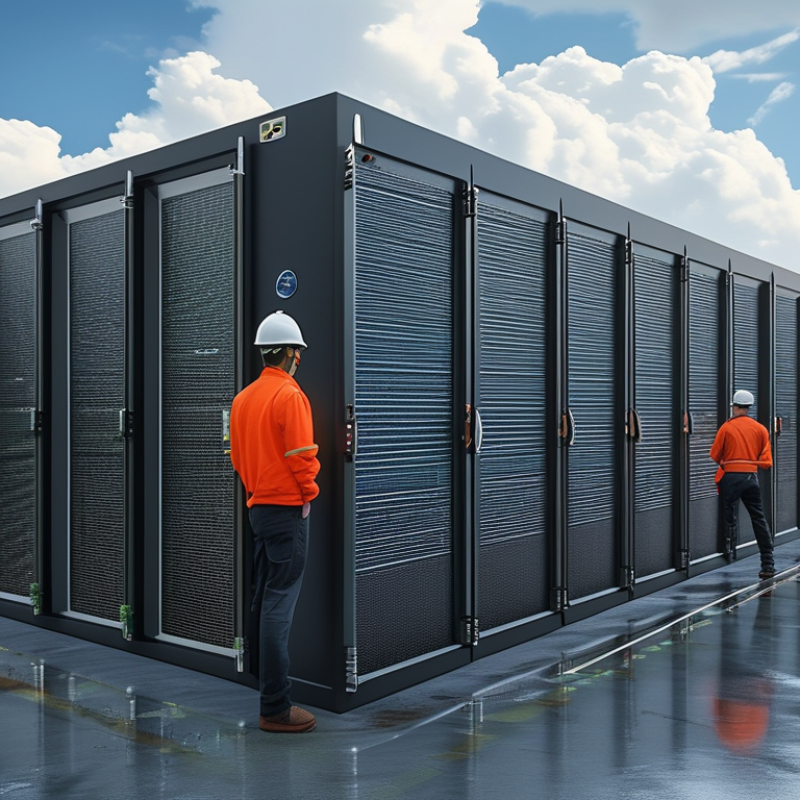
What Should Businesses Consider Before Installing Energy Storage?

Understanding Energy Storage Technologies and Their Applications

Energy storage technologies play a crucial role in modern business operations. Different systems exist, including lithium-ion batteries, flywheels, and pumped hydro storage. Each has unique benefits and drawbacks. Lithium-ion batteries are prevalent for their efficiency and ease of integration but may pose recycling challenges. Flywheels offer rapid response times but have limited energy capacity. Understanding these nuances aids businesses in selecting appropriate solutions.

When considering energy storage, applications vary widely. Some businesses need backup power, while others aim to manage peak loads. For example, a manufacturing facility might use energy storage to shift its energy usage to off-peak times. This can reduce costs and enhance reliability. However, assessing the facility's unique requirements is essential for effective implementation.

Incorporating energy storage can be complex. Factors such as installation costs and maintenance must be evaluated. Additionally, businesses should consider regulatory implications and available incentives. Misjudgments in these areas could render an investment ineffective. Thus, thorough research is necessary to align energy storage solutions with organizational goals.

What Should Businesses Consider Before Installing Energy Storage?

Consideration Factors Description Potential Benefits Challenges
Technology Type Different types of energy storage technologies (e.g., lithium-ion, lead-acid, flow batteries). Each technology has unique features that can optimize energy use. Choosing the wrong technology may lead to inefficiencies.
Cost Analysis Initial and ongoing costs for installation and maintenance. Financial incentives may reduce overall expenses. High upfront costs can be a barrier to adoption.
Regulatory Considerations Compliance with local, state, and federal regulations. Ensures legal compliance and may provide eligibility for incentives. Regulations can change, affecting viability.
Integration with Existing Systems Compatibility with current energy infrastructure. Improved system efficiency and resilience. Difficulties in integration may increase costs and time.
Expected Return on Investment (ROI) Analysis of savings from energy management and utility costs. Long-term savings and improved cash flow. Uncertain ROI can hinder decision-making.

Evaluating the Financial Impact of Energy Storage Investment

When considering energy storage, businesses must carefully evaluate the financial impact. A report from the International Energy Agency revealed that energy storage can reduce operating costs by up to 30%. However, the initial investment remains significant. Costs for installation can fluctuate widely, often ranging from $200 to $600 per kWh. Understanding these numbers helps businesses make informed decisions.

Investing in energy storage also has implications for cash flow. An analysis indicates that companies can recover up to 80% of their investment within 5 to 10 years. Yet, fluctuations in energy markets and regulatory changes can alter this timeline. Companies should conduct a thorough cost-benefit analysis. What are the risks? What happens if energy prices drop?

Tips: Assess the long-term savings against initial costs. Consider partnerships with local utilities. Evaluate incentives available in your region. Small changes can yield substantial benefits. The impact of energy storage is worth the scrutiny, especially as energy transitions accelerate. Establish a clear strategy before committing.

Financial Impact of Energy Storage Investment

This chart illustrates the financial metrics businesses should evaluate before investing in energy storage systems. The initial cost, annual savings, payback period, annual maintenance cost, and carbon emission reduction are crucial for assessing the viability of such investments.

Assessing Regulatory and Policy Considerations for Energy Storage

Before installing energy storage systems, businesses must navigate complex regulatory and policy landscapes. Understanding local, state, and federal regulations is crucial. Each jurisdiction may have different incentives or requirements that affect the feasibility of energy storage projects. For example, some areas provide tax credits for renewable energy investments. Others may impose restrictions that limit implementation options.

Furthermore, policies can change, impacting the long-term viability of energy storage solutions. Businesses should assess current energy policies and anticipate potential shifts. Engaging with local regulators can provide insights into upcoming changes. Some companies find it helpful to collaborate with energy consultants. These experts can offer guidance on navigating compliance and securing incentives.

It's also essential to consider interconnection agreements. The rules governing how energy storage systems connect to the grid can vary significantly. Existing infrastructure might not support new technologies easily. Businesses need to evaluate their specific needs and capabilities before committing to a project. If the infrastructure is inadequate, costs can escalate quickly. This makes thorough planning vital for a successful energy storage strategy.

Determining Energy Storage Capacity Needs Based on Usage Patterns

When considering energy storage, businesses must analyze their usage patterns meticulously. Data indicates that energy consumption varies throughout the day and across seasons, affecting storage requirements. A study from the National Renewable Energy Laboratory (NREL) suggests that companies can reduce energy costs by up to 30% by accurately predicting peak usage times. Understanding when energy use spikes can guide the selection of optimal storage capacity.

Furthermore, the duration of energy needs plays a crucial role. A report from the Energy Storage Association (ESA) highlights that businesses using energy intermittently may not need large storage systems. In contrast, continuous high demand necessitates larger solutions. For instance, businesses with a base load that exceeds a certain threshold might require storage capable of discharging for extended periods, making precise calculations essential.

Capacity planning requires a holistic view. While many prioritize immediate cost savings, overlooking future demand shifts can lead to insufficient storage. This misstep can strain operations and financial resources. Companies should conduct regular assessments of their usage to adapt to changes, ensuring their energy strategy remains effective and resilient. Reliable data can help illuminate patterns, supporting informed decisions in energy storage investment.

Exploring Environmental Implications and Sustainability of Energy Storage

Energy storage systems are becoming essential for businesses looking to enhance sustainability. However, their environmental implications require careful consideration. Reports from the International Energy Agency (IEA) indicate that energy storage can reduce greenhouse gas emissions significantly. In fact, integrating energy storage could lead to a 40% reduction in emissions for businesses that utilize renewable sources effectively.

The production and disposal of energy storage systems pose challenges too. Research shows that lithium-ion batteries, a common storage technology, have a substantial environmental footprint. Mining for lithium can lead to water depletion and pollution. According to the World Bank, the extraction process can negatively impact local ecosystems. Companies must weigh these factors against the benefits of energy storage.

Furthermore, the life cycle of storage technologies raises concerns. While these systems may provide immediate benefits, their long-term sustainability can be questionable. The energy transition requires businesses to rethink their approach to energy storage. Strategies for recycling or repurposing energy storage materials need to be developed. Transitioning to a sustainable energy system is complex, with both opportunities and challenges that businesses must navigate.

FAQS

: What are common types of energy storage technologies?

: Common types include lithium-ion batteries, flywheels, and pumped hydro storage. Each has its own benefits and drawbacks.

How do businesses use energy storage?

Businesses use it for backup power and managing peak loads. It can help shift energy usage to off-peak times.

What is a challenge of lithium-ion batteries?

Lithium-ion batteries offer efficiency but pose recycling challenges that companies must consider when integrating them.

How can energy storage impact operating costs?

Energy storage can reduce operating costs by up to 30%. However, the initial investment can be quite high.

What factors should businesses evaluate before investing?

Businesses should evaluate installation costs, maintenance, and regulatory implications. These factors can impact overall effectiveness.

Can energy storage investments offer returns?

Yes, companies may recover up to 80% of their investment within 5 to 10 years, but market fluctuations can affect this.

How do regulations affect energy storage projects?

Regulatory landscapes can vary. Local, state, and federal regulations may offer incentives or impose restrictions on energy storage.

Why is planning crucial for energy storage projects?

Poor planning can lead to increased costs, especially if existing infrastructure doesn’t support new technologies effectively.

What should companies consider regarding interconnection agreements?

Companies must understand the rules for how energy storage systems connect to the grid, as these can vary widely.

What's a mistake businesses might make with energy storage?

Misjudging the regulatory environment or costs can lead to ineffective investments. Thorough research is essential.

Conclusion

Before installing energy storage, businesses must consider several critical factors. Firstly, understanding the various energy storage technologies and their specific applications is crucial for making informed decisions. Businesses should evaluate the financial implications of their investment, including potential savings on energy costs and any incentives available. Additionally, they need to assess the regulatory landscape, as laws and policies can significantly influence the viability of energy storage solutions.

Furthermore, determining the appropriate energy storage capacity based on usage patterns is essential to optimize efficiency and cost-effectiveness. Lastly, exploring the environmental implications and sustainability of energy storage options can help businesses align their practices with corporate social responsibility goals. Overall, what should businesses consider before installing energy storage encompasses a thorough analysis of technology, financial impact, regulations, capacity needs, and environmental sustainability.

Madeline

Madeline

Madeline is a dedicated marketing professional with a wealth of expertise in our company's core offerings. With a keen understanding of the industry, she brings a unique perspective to her role, consistently delivering high-quality content that highlights the superior aspects of our products. As......