China Top 10 Energy Storage Solutions for Renewable Projects

Time:2026-10-01 Author:Amelia
0%

China’s energy storage industry is reshaping how renewable projects manage intermittency, grid constraints, and power demand. Solar farms often produce their strongest output at midday, while communities need more electricity after sunset. Storage helps close that gap.

This introduction examines ten leading energy storage solutions used in China’s renewable energy sector. These include lithium iron phosphate batteries, sodium-ion systems, flow batteries, pumped hydro, and thermal storage. Each option presents different benefits for safety, duration, cost, maintenance, and site conditions. Project developers must also evaluate power conversion systems, energy management software, fire protection, and battery degradation. Small details matter, such as whether containers can operate reliably during dusty summers or freezing nights.

For project teams researching how to integrate energy storage with renewable energy projects, practical design decisions are more important than impressive specifications. A battery’s advertised capacity does not guarantee useful performance over twenty years. Grid connection rules, local weather, land availability, and cycling patterns can change the investment case. No solution is perfect. Real projects are messier than brochures.

The following overview compares China’s top ten solutions through a practical, evidence-informed lens. It considers where each technology performs well and where it may struggle. It also highlights safety testing, lifecycle planning, operational experience, and supplier accountability. Some conclusions may require revision as prices, regulations, and recycling methods evolve. That uncertainty deserves attention, not marketing language.
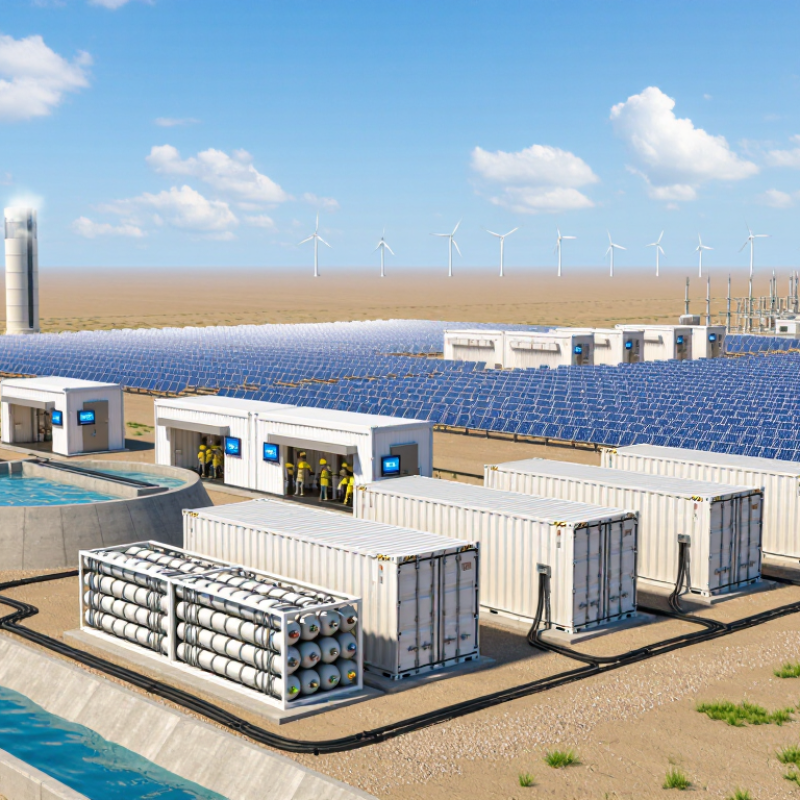
China Top 10 Energy Storage Solutions for Renewable Projects

Renewable Energy Storage Needs in China

China’s renewable expansion is creating a storage problem, not merely a battery opportunity. The International Energy Agency’s Renewables 2024 report expects China to provide nearly 60% of global renewable capacity additions through 2030. Solar and wind output can rise sharply within minutes, while demand changes more slowly. Storage must therefore manage midday solar surpluses, evening peaks, and sudden wind declines.

The National Energy Administration reported 31.39 gigawatts of new-type energy storage by the end of 2023. Lithium-ion systems represented more than 90% of that capacity. These figures show rapid deployment, but not complete system readiness. Projects need different durations, from short frequency control to four-hour peak shifting. In western regions, long-distance transmission and renewable curtailment make duration especially important. In coastal load centers, fast response and compact footprints may matter more. Safety monitoring, thermal management, fire separation, and clear emergency procedures must be designed from the beginning.

The challenge is operational as well. China’s storage facilities need predictable revenue from energy arbitrage, capacity support, and ancillary services. Market rules are still developing, so some projects may be technically impressive but financially fragile. That deserves scrutiny. The China Energy Storage Alliance has repeatedly highlighted falling system costs and accelerating installations, yet low utilization can weaken investment returns. A practical solution portfolio should combine lithium batteries, flow batteries, thermal storage, pumped hydro, and intelligent controls. No single technology fits every province. Real progress will depend on measured performance, transparent data, and designs matched to local grids rather than optimistic capacity targets.

Criteria for Ranking Energy Storage Solutions

Ranking China’s top energy storage solutions for renewable projects requires more than comparing advertised capacity. The first filter is project fit: solar and wind profiles, grid rules, land limits, and required discharge hours. A two-hour battery may suit midday solar shifting, while a longer system can support evening demand.

Performance data should come from tested projects, not brochures alone. We examine round-trip efficiency, response time, capacity retention, thermal control, and availability under real weather conditions. Safety deserves equal weight. Strong designs include cell monitoring, fire isolation, emergency access, and clear maintenance procedures. No ranking is perfect. Field data may be limited for newer systems.

Financial evaluation includes total lifecycle cost, replacement cycles, installation labor, software fees, and recycling plans. We also check warranty terms, supplier service capacity, spare-part access, and cybersecurity controls. Solutions receive higher scores when operators can verify performance through independent testing and transparent reports. Local certification and grid compliance are essential, not optional. A technically impressive system can still rank poorly if commissioning support is weak or its controls cannot integrate with existing inverters. Reliability is built at the site.

China’s Top 10 Energy Storage Solutions for Renewable Projects

China’s Top 10 Energy Storage Solutions for Renewable Projects reflect a practical shift toward flexible, grid-ready power systems. These solutions commonly combine lithium iron phosphate batteries, battery management systems, power conversion equipment, and digital monitoring. They support solar farms, wind sites, microgrids, and industrial facilities with changing demand. A well-designed system can store midday solar energy and release it during evening peaks.

Project experience shows that capacity is only one part of the decision. Engineers must examine cycle life, response time, fire protection, cooling design, land conditions, and local grid rules. A containerized system may simplify installation, but extreme heat, dust, or weak network connections can reduce performance. I have seen planning errors begin with optimistic weather data. Better designs use several years of site measurements and realistic degradation assumptions.

Tips: Compare usable energy, not only advertised capacity. Check round-trip efficiency at partial load. Request clear warranty conditions and maintenance procedures. Test emergency shutdown functions before commercial operation. Keep spare sensors and communication modules on site. Also, leave room for expansion. It sounds basic, yet many projects overlook it. A lower purchase price may create higher operating costs when cooling, inspections, and replacement parts are included. Recheck every assumption.

Technology, Capacity, and Performance Comparison

China’s top ten energy storage solutions for renewable projects differ sharply in technology, capacity, and performance. Lithium iron phosphate systems typically deliver 85–95% round-trip efficiency, with four-to-eight-hour durations. NMC systems offer high energy density, but thermal management requires tighter controls. Sodium-ion units reduce mineral dependence, although commercial performance remains less proven.

Long-duration options change the comparison. Vanadium redox flow batteries can exceed 10,000 cycles, while their lower energy density increases site requirements. Pumped hydro provides gigawatt-scale capacity and decades of service, but suitable geography is limited. Compressed-air storage suits larger projects, yet conversion efficiency varies widely. Thermal storage can support solar generation after sunset, though heat losses become significant during long idle periods.

The International Energy Agency reported nearly 42 GW of new battery storage in 2023, bringing global installed capacity close to 85 GW. BloombergNEF’s 2024 outlook also identified falling battery prices as a major driver for renewable integration. However, headline efficiency can mislead. Auxiliary cooling, inverter losses, degradation, and partial-load operation reduce actual project yield. The U.S. National Renewable Energy Laboratory commonly models lithium-ion round-trip efficiency near 85–95%, while flow systems often operate lower. That gap matters. A ten-hour system may outperform a two-hour system economically, even with lower efficiency. Site data, cycling frequency, safety distance, and replacement costs still need verification. Performance tables are useful, but never complete.

Project Integration, Safety, and Application Considerations

Renewable projects need storage that fits the site, not just the battery capacity. Solar farms often produce excess power at noon, while demand rises after sunset. A properly integrated system measures these gaps with weather, load, and grid data. Engineers should match power output, energy duration, and charging limits to the project’s operating profile. Bigger is not always better.

Site conditions can change the design. High temperatures reduce battery performance, while dust may restrict cooling airflow. Flood zones require elevated equipment and carefully planned drainage. Clear separation between battery containers, inverters, and control rooms supports safer maintenance. Fire detection, thermal monitoring, ventilation, and emergency shutdown controls need independent checks. Safety cannot depend on one alarm.

Application goals also shape the solution. Frequency support may require fast response and short duration. Renewable shifting may need several hours of dependable discharge. Remote projects need strong communications and local operating controls. Tested procedures matter more than attractive specifications. Operators should practice isolation, inspection, and emergency response before commissioning.

Some assumptions will be wrong. Load forecasts can miss seasonal changes, and degradation may occur faster than expected. A conservative design leaves room for capacity loss and future expansion. Independent testing, documented maintenance, and transparent performance records build confidence with regulators, financiers, and communities. Small details matter.

China Top 10 Energy Storage Solutions for Renewable Projects

Typical round-trip efficiency by storage technology, supporting project integration, safety, and application selection.

Values represent the midpoint of commonly reported technology ranges and are intended for early-stage project comparison. Actual performance varies with system design, operating duration, ambient conditions, auxiliary loads, and charging strategy. Reference basis: U.S. Department of Energy energy storage technology assessments and International Energy Agency storage reports.

FAQS

What is the main factor when ranking energy storage solutions?

Project fit matters more than advertised capacity. Solar, wind, grid rules, land, and discharge hours all matter. A two-hour battery may shift midday solar into evening demand.

Which performance data should buyers trust?

Use tested project data, independent checks, and transparent reports. Brochures alone are not enough. Field evidence may still be incomplete.

How do common storage technologies compare?

Lithium iron phosphate systems often provide 85–95% round-trip efficiency. Flow batteries can exceed 10,000 cycles. Sodium-ion systems reduce mineral dependence, but commercial evidence remains limited.

Why can actual efficiency be lower than published efficiency?

Cooling systems, inverters, degradation, and partial-load operation reduce project yield. A system showing 90% may perform worse onsite. Reality is untidy.

How should discharge duration be selected?

Two-hour systems may suit midday solar shifting. Longer systems can support evening demand or extended renewable shortages. A ten-hour system may outperform a shorter system financially.

What safety features deserve close attention?

Strong designs include cell monitoring, fire isolation, emergency access, and clear maintenance procedures. Thermal control also matters. Safety distances need onsite verification.

What costs should be included beyond the purchase price?

Include installation labor, software fees, replacement cycles, recycling, and maintenance. Check warranty terms and spare-part access. A cheaper purchase may cost more over its lifetime.

Why can a technically impressive system rank poorly?

Local certification and grid compliance are essential. Weak commissioning support can delay operation. Controls must integrate with existing inverters and include cybersecurity protections.

Which long-duration technologies need special site consideration?

Pumped hydro offers large capacity but needs suitable geography. Compressed-air storage suits larger projects. Thermal storage may lose heat during long idle periods.

Is any energy storage ranking completely reliable?

No ranking is perfect. Newer systems may lack long-term field data. Performance tables help, but they never tell the whole story.

Conclusion

China’s rapid expansion of wind and solar power is increasing the need for reliable energy storage to manage intermittency, reduce curtailment, improve grid stability, and support power supply during peak demand. This article examines the key requirements for renewable energy storage in China and explains the criteria used to rank solutions, including safety, round-trip efficiency, response speed, service life, scalability, cost, environmental adaptability, and ease of maintenance.

It presents ten leading categories of energy storage solutions for renewable projects and compares their technology characteristics, capacity ranges, performance, and suitable application scenarios. The discussion also highlights how to integrate energy storage with renewable energy projects through coordinated system design, intelligent energy management, grid connection planning, and effective safety controls. By considering project scale, renewable resource conditions, operational objectives, and local regulations, developers can select and integrate storage systems that improve reliability, optimize energy use, and support the long-term development of a flexible, resilient, and lower-carbon power system.

Amelia

Amelia

Amelia is a seasoned marketing professional with a wealth of expertise in our company’s core offerings. With an unwavering passion for driving growth and innovation, she plays a pivotal role in shaping our marketing strategies and enhancing brand visibility. A key aspect of her responsibilities......