China’s energy-storage market is expanding from factory rooftops to remote construction sites. Yet many buyers still ask, “what is the difference between grid tied and off grid energy storage?” The answer affects system design, cost, safety, and daily reliability. A grid-tied system works with the public electricity network. It can store solar power, reduce peak demand, and provide backup when properly configured. However, standard grid-tied equipment usually shuts down during an outage. This protects utility workers from unexpected voltage.
An off-grid system operates without dependable utility support. It needs batteries, solar generation, inverters, and careful load planning. A remote workshop may require energy overnight for lighting, refrigeration, and communication equipment. The battery must cover those hours. Weather matters, too. Several cloudy days can expose an undersized design. Small details become expensive problems.
Energy-storage expert Dr. Imre Gyuk has described the wider value of storage: “Energy storage is the key to unlocking the full potential of renewable energy.” His point applies to both architectures, but not equally. Grid-tied projects often prioritize savings and power quality. Off-grid projects prioritize autonomy and resilience. The boundary can blur. Hybrid systems may disconnect from the grid and continue serving selected loads. That sounds ideal, but it requires compatible inverters, protection settings, and professional commissioning.
China offers many capable manufacturers, but product quality is not uniform. Buyers should verify test reports, warranty terms, thermal-management design, and local service capacity. A low purchase price may hide replacement costs. Sometimes, the simplest design is not the best one. This guide examines practical differences, realistic use cases, and the uncomfortable assumptions behind each choice.
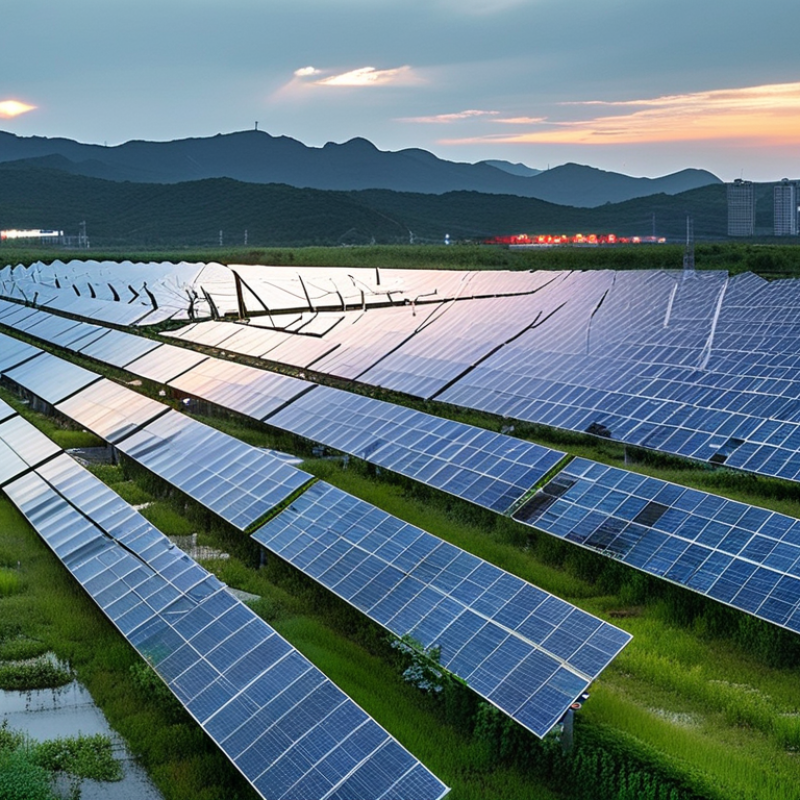
China Best Grid Tied vs Off Grid Energy Storage Guide
A grid-tied energy storage system stays connected to the public electricity network. It stores surplus solar power, then discharges during evening peaks or expensive tariff periods. The grid remains available when the battery is empty. In China, this setup usually requires approved interconnection protection, metering, and compliance with local grid codes.
An off-grid system operates independently. Solar panels, batteries, and an inverter must cover every load, including cloudy-day demand. A diesel generator may provide backup, but fuel costs and maintenance change the economics. Batteries need careful sizing. A small rural home might need several days of usable capacity, not simply a larger inverter. It feels simple on paper.
The International Energy Agency reported that global battery storage additions nearly doubled in 2023, reaching about 42 GW. Its Batteries and Secure Energy Transitions report also identifies grid flexibility as a major storage requirement. NREL research shows that solar-plus-storage performance depends strongly on weather, load profiles, and battery degradation. A grid-tied design often costs less because the network supplies resilience. However, it may shut down during outages unless it includes approved islanding equipment. An off-grid design offers energy independence, but oversizing can waste capital. My practical concern is often overlooked: household demand changes faster than forecasts. A spreadsheet can still lie. Load monitoring, seasonal testing, and realistic backup assumptions should guide the final choice.
| Comparison Dimension |
Grid-Tied Energy Storage Grid-connected system |
Off-Grid Energy Storage Stand-alone system |
|---|---|---|
| Basic Definition | Stores electricity while remaining connected to the public utility grid. It can use solar power, stored battery energy, and grid electricity according to system settings. | Operates independently of the public utility grid and supplies electricity from local generation, batteries, and, where required, a backup generator. |
| Main Objective | Reduce electricity costs, increase self-consumption, manage peak demand, and provide backup power when a backup-capable design is installed. | Provide reliable electricity where grid service is unavailable, unreliable, or too expensive to extend. |
| Grid Dependency | Normally depends on the utility grid for energy balancing. It may continue selected loads during an outage only when islanding and backup functions are included. | Does not require a utility connection. System performance depends on local generation, battery capacity, load management, and backup resources. |
| Typical Energy Sources | Utility electricity, rooftop or ground-mounted solar, and battery storage. Other distributed energy sources may also be integrated. | Solar photovoltaic systems are common. Small wind turbines, micro-hydro systems, and fuel-powered generators may supplement solar generation. |
| Core Equipment | Solar inverter or hybrid inverter, battery system, energy meter, protection equipment, monitoring platform, and grid-interconnection equipment. | Solar charge controller or hybrid inverter, battery bank, distribution equipment, monitoring system, and often a generator or other backup source. |
| Operation During a Grid Outage | A standard grid-tied inverter normally shuts down during an outage to prevent unintentional islanding. A backup-capable system can isolate critical loads and continue operating. | Continues operating because it is not dependent on the utility grid. Available power is limited by generation, battery state of charge, inverter capacity, and load priority settings. |
| Battery Requirement | Optional for basic grid-tied solar. A battery is required for energy shifting, backup power, or increased solar self-consumption. | Normally essential because generation may not match demand, especially at night or during periods of low renewable production. |
| Battery Sizing Approach | Usually sized according to daily energy-shifting goals, backup-load requirements, electricity tariffs, and the desired backup duration. | Must account for critical-load energy use, expected low-sun periods, battery usable capacity, temperature effects, system losses, and backup-generation availability. |
| Typical Backup Duration | Often designed for selected critical loads for several hours to one day, depending on battery capacity and outage expectations. Whole-home backup requires substantially more capacity. | Commonly designed for one or more days of autonomy. Longer autonomy increases the required battery, generation capacity, and energy-management margin. |
| Energy Conversion Efficiency | Battery round-trip efficiency is commonly about 85%–95%, depending on battery chemistry, inverter configuration, operating temperature, and charge/discharge rate. | Battery round-trip efficiency is commonly about 85%–95%, but total delivered energy can be lower after including charge-controller, inverter, wiring, and standby losses. |
| Power Quality and Stability | The utility grid generally supports voltage and frequency stability. The system must comply with applicable grid-code and anti-islanding requirements. | The inverter must establish and regulate local voltage and frequency. Sudden motor starts and high-power appliances require adequate surge capacity. |
| Exporting Electricity | May export surplus electricity to the grid where local interconnection rules, metering arrangements, and utility approval permit it. | Cannot export electricity to a utility grid unless an approved grid connection is added. Surplus generation is normally stored, curtailed, or used by flexible loads. |
| Load Management | Load shifting can be scheduled around solar production, electricity tariffs, or demand charges. Nonessential loads may be disconnected during outages. | Load management is critical. High-consumption appliances may need scheduling, automatic control, or restrictions during low-generation periods. |
| Generator Integration | Optional. A generator may be used for extended outages or additional resilience, subject to safe transfer and control requirements. | Frequently used in larger or critical installations to recharge batteries and support loads during prolonged low-renewable periods. |
| System Complexity | Generally moderate. Interconnection, protection, metering, export control, and utility approval can add design requirements. | Generally higher for reliable year-round operation because generation, storage, backup power, weather conditions, and load demand must be balanced locally. |
| Maintenance Requirements | Routine monitoring, electrical inspection, inverter servicing, battery checks, and vegetation or panel cleaning where applicable. | Includes all comparable electrical maintenance plus closer battery management, generator servicing when installed, and regular review of energy reserves. |
| Common Applications | Homes and businesses with grid access, solar self-consumption, peak-demand reduction, time-of-use energy shifting, and backup for essential circuits. | Remote homes, telecommunications sites, rural facilities, islands, agricultural sites, emergency installations, and locations without dependable grid access. |
| Key Advantages | Lower dependence on batteries, easier energy balancing, potential electricity-bill savings, and access to grid power during periods of low renewable generation. | Energy independence, operation in remote locations, protection from utility outages, and flexibility where grid extension is impractical. |
| Key Limitations | Utility outages can stop ordinary grid-tied operation. Interconnection rules, export limits, and electricity tariffs affect project performance. | Higher storage and generation requirements, greater sensitivity to weather and demand changes, and a need for careful system sizing and load control. |
| Best Selection Criteria | Choose when a reliable grid connection exists and the priorities are bill reduction, solar self-consumption, peak management, or selective backup. | Choose when grid access is absent or unreliable and continuous local electricity supply is more important than minimizing equipment capacity. |
| Technical values are typical planning ranges rather than guaranteed system results. Actual performance depends on battery chemistry, inverter topology, climate, system design, operating temperature, load profile, local regulations, and maintenance. | ||
: It remains connected to the public electricity network. Solar power charges the battery during daylight. Stored energy can reduce evening electricity purchases.
Not always. Standard systems often shut down for safety. Approved backup controls can isolate selected circuits during an outage.
A refrigerator, router, lights, and small communication devices may be suitable. Pumps, heaters, and large appliances can quickly exceed battery output.
It operates without the public grid. Solar panels, batteries, and an inverter supply the entire property. A backup generator may support long cloudy periods.
The answer depends on daily use, weather, and seasonal sunlight. A rural home may need several days of usable capacity. A larger inverter alone cannot solve shortages.
It can provide strong independence, but careful energy management remains necessary. Cloudy weather, battery aging, and changing habits can reduce available power.
No. Oversizing increases cost and may leave capacity unused. Better scheduling can sometimes reduce evening demand more effectively.
Grid-tied systems suit homes with reliable utility service. Off-grid systems suit remote properties without dependable grid access. Hybrid systems can combine grid access with outage protection.
Review actual electricity use, roof conditions, local electrical rules, and future loads. Monitor nighttime consumption for several weeks. Estimates can be wrong.
Use separate essential and nonessential circuits. Inspect batteries regularly and control their temperature. Test backup operation during different seasons. Perfect planning is unlikely.
This guide explains what is the difference between grid tied and off grid energy storage and how each system supports different energy goals. Grid-tied storage works alongside the public electricity network, storing surplus power for later use, reducing peak-time demand, and providing limited backup when properly configured. Off-grid storage operates independently, usually combining local generation, batteries, and energy management equipment to supply power without relying on utility infrastructure. The choice depends on how much energy independence, reliability, and backup protection a user needs.
The comparison also covers power supply, system capacity, installation costs, maintenance, and future scalability. Grid-tied systems may offer simpler integration and lower initial requirements, while off-grid systems generally require more storage capacity and careful energy planning. Homes, businesses, remote facilities, and locations with unstable electricity access may each need a different solution. By evaluating daily consumption, available generation, budget, space, and backup expectations, users can select an energy storage approach that balances performance, flexibility, and long-term value.

 CCSC Energy