Challenges of Large Scale Energy Storage in 2026 Top Solutions?

Time:2026-08-17 Author:Amelia
0%

The energy landscape is evolving rapidly. By 2026, large-scale energy storage will be crucial for managing renewable energy. However, what are the challenges of large scale energy storage? These challenges include technological limitations, high costs, and environmental concerns.

Current storage technologies are often limited in capacity and efficiency. They require significant investment and can be slow to deploy at scale. Environmental impacts from battery production and disposal also raise concerns about sustainability. Additionally, regulatory frameworks can hinder innovation and implementation.

To address these issues, researchers are exploring various solutions. Improved battery technologies, like solid-state batteries, show promise. Other methods, such as pumped hydro and thermal storage, offer alternatives but come with their own sets of challenges. As we move closer to 2026, finding effective and sustainable solutions will be essential. The stakes are high, and reflection on our approaches is necessary to create a reliable energy future.
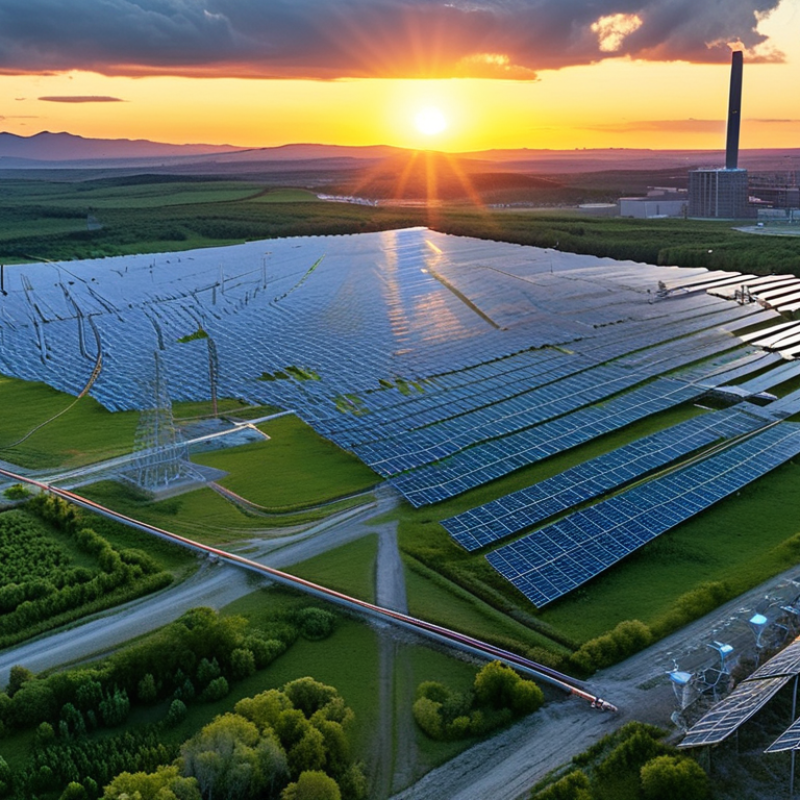
Challenges of Large Scale Energy Storage in 2026 Top Solutions?

Challenges of Large Scale Energy Storage in 2026: An Overview

The energy storage landscape is evolving rapidly. In 2026, large-scale energy storage faces significant challenges. Regulations may not keep pace with technology advances. Environmental concerns also play a role. The public often questions the impact of large battery farms on local ecosystems.

Cost remains a critical hurdle. Investing in new materials is essential. Many experiments are ongoing, yet results are mixed. While some innovations hold promise, others falter during testing. This inconsistency raises concerns about scalability.

Tips: Collaboration with regulatory bodies can facilitate smoother approval processes. Engaging local communities fosters support for new projects. Stakeholders should remain adaptable to emerging challenges.

Supply chain issues further complicate matters. The ongoing global disruptions have highlighted vulnerabilities. Finding reliable suppliers for battery components is vital. This disruption could slow down large-scale projects. Flexibility in sourcing may become increasingly important.

In the quest for viable solutions, learning from setbacks is crucial. Each experiment must be assessed critically. The path to effective large-scale energy storage is fraught with uncertainties. A focus on sustainable practices could guide future developments.

Challenges of Large Scale Energy Storage in 2026: An Overview

Challenge Description Potential Solution Feasibility
Cost Effectiveness High initial investments hinder adoption. Incentives and subsidies for technology adoption. Medium
Technology Maturity Many technologies are not yet market-ready. Increased R&D investments in storage technologies. High
Infrastructure Existing grid infrastructure is often inadequate. Upgrading grid systems to accommodate storage needs. Medium
Regulatory Issues Lack of clear regulations for large-scale systems. Developing comprehensive energy policies. Low
Environmental Impact Concerns over materials and lifecycle emissions. Promoting sustainable sourcing and recycling. High

Market Demand for Energy Storage Solutions: 2026 Projections and Data

As the demand for energy storage solutions surges in 2026, various factors come into play. Rapid advancements in technology are crucial. Yet, challenges exist. The need for efficient, scalable storage systems is evident. There's a growing expectation for solutions that can handle peak demand. This requires innovative approaches to energy management.

Market projections indicate a sharp increase in energy storage requirements. Industries across sectors are moving toward renewable sources. A long-term vision is needed to accommodate this shift. Investment in research and development is vital. Energy storage should be integrated seamlessly into existing grids. This is easier said than done, as the infrastructure often lags behind technology.

Tip: Consider battery recycling innovations. They can alleviate environmental impacts. Sustainable solutions enhance market acceptance. Engage with local communities for better understanding. Address concerns transparently for a smoother transition. Each step forward needs reflection and adjustment. The perfect solution may still be in development, requiring collaborative efforts.

Technological Advancement: Innovations Addressing Storage Challenges in 2026

In 2026, large-scale energy storage faces significant challenges. The demand for renewable energy is rising. Innovations in storage technology will play a crucial role in meeting this demand. Research indicates that global energy storage capacity is projected to reach 500 GWh by 2026, a substantial increase from previous years. However, hurdles remain in efficiency, cost, and grid integration.

Technological advancements, such as solid-state batteries and flow batteries, show promise. These technologies can offer longer life spans and higher energy densities. A recent report noted that solid-state batteries could improve efficiency by 30% compared to traditional lithium-ion designs. Moreover, AI-powered energy management systems can optimize storage performance, leading to reduced energy waste and better grid reliability.

**Tip:** Consider exploring community energy storage solutions. Localized systems can alleviate stress on the main grid and support renewable projects.

Despite these innovations, data from various industry reports suggest that cost reduction in production is imperative. Scaling production for new technologies can be difficult. Additionally, sufficient raw materials remain a concern. Companies must also address recycling and sustainability in energy storage. Addressing these challenges will be key for the future of energy storage.

**Tip:** Encourage partnerships between public and private sectors. Collaboration can drive research and deployment of innovative solutions in storage technology.

Challenges of Large Scale Energy Storage in 2026

Cost Analysis: Financial Barriers to Large Scale Energy Storage Solutions

The transition to large-scale energy storage in 2026 is ripe with challenges. One major hurdle is cost. Initial investments can be steep, often reaching millions. These financial barriers deter startups and small enterprises from entering the market. A thorough cost analysis reveals where funds are wasted. Many projects undervalue maintenance and operational costs over time.

Investors often demand quick returns. This impatience can compromise innovative designs. Storage technologies like batteries and pumped hydro have potential, but upfront capital remains a concern. Miscalculating future savings erodes confidence. A realistic financial forecast is essential for secure investment.

Tips: Consider collaboration to share costs. Multiple stakeholders can spread out financial risks. Additionally, explore local grants targeted at renewable initiatives. Understanding government policies may unlock funding opportunities. Patience is key in energy storage; strategic planning can pave the way for progress.

Policy and Regulatory Framework: Supporting Large Scale Energy Storage in 2026

The role of policy and regulatory frameworks is crucial in supporting large scale energy storage, especially in 2026. Effective policies can attract investments and boost innovations. Clear regulations can reduce uncertainties and streamline processes for new technologies. Policymakers must address the complexities of integrating renewable energy sources with storage solutions.

Creating incentives for energy storage is vital. Governments should offer tax credits or grants to encourage developers. This financial support can help balance out high initial costs. Collaborative efforts between public and private sectors can lead to more effective solutions. However, some regulations may stifle progress. For example, overly stringent zoning laws can delay project implementations.

Additionally, education and stakeholder engagement are key. Policymakers need to work closely with communities to build trust. Public understanding of energy storage benefits can lead to broader acceptance. Yet, there are challenges in disseminating accurate information. Misconceptions may hinder support. These issues highlight the need for continuous improvement in policy design and communication strategies.

FAQS

: What are the main challenges in energy storage for 2026?

: Key challenges include efficiency, cost, and grid integration. These hurdles need to be addressed to meet rising demand.

How can new technologies improve energy storage?

Innovations like solid-state batteries and flow batteries can enhance life spans and energy densities significantly.

Why is cost reduction vital for energy storage solutions?

Reducing production costs is crucial for scaling new technologies. Without it, widespread adoption may stall.

What role do policies play in energy storage development?

Effective policies can attract investments and reduce uncertainties, helping to streamline the introduction of new technologies.

How important is community engagement in energy storage projects?

Engaging communities builds trust and fosters wider acceptance. Misconceptions about storage can hinder support.

Are there specific incentives for promoting energy storage?

Yes, governments can provide tax credits and grants to offset high initial costs for developers.

What is the impact of AI on energy storage?

AI-powered systems can optimize storage performance, reducing energy waste and improving reliability on the grid.

How can public and private sectors collaborate effectively?

Partnerships can drive innovation and deployment in energy storage, benefiting all stakeholders involved.

What is a potential drawback of regulatory frameworks?

Overly stringent regulations, like zoning laws, can delay the implementation of projects, hindering progress.

What are some concerns regarding raw materials for energy storage?

Securing sufficient raw materials and addressing sustainability and recycling issues are ongoing challenges in the industry.

Conclusion

The article titled "Challenges of Large Scale Energy Storage in 2026 Top Solutions?" explores the critical issues facing large-scale energy storage as we approach 2026. It highlights what are the challenges of large scale energy storage, including technical hurdles, market demand projections, and financial barriers that could impede progress. Technological advancements are discussed as potential solutions to these challenges, focusing on innovative approaches that can enhance storage efficiency and capacity.

Additionally, the article examines the necessary policy and regulatory frameworks that can support the growth of energy storage solutions. By understanding market demands and addressing both financial and regulatory challenges, stakeholders can effectively pave the way for sustainable energy storage solutions that meet future energy needs.

Amelia

Amelia

Amelia is a seasoned marketing professional with a wealth of expertise in our company’s core offerings. With an unwavering passion for driving growth and innovation, she plays a pivotal role in shaping our marketing strategies and enhancing brand visibility. A key aspect of her responsibilities......