China’s power demand is rising, while homes and businesses rely on electricity for more essential tasks. The National Energy Administration reported that China’s electricity consumption reached 9.85 trillion kilowatt-hours in 2024, up 6.8% from the previous year. That growth does not mean the grid is broadly unreliable. It does make continuity more valuable when severe weather, local faults, or maintenance interrupt supply.
The storage picture is changing too. The NEA reported that China’s installed new-type energy storage capacity reached 73.76 gigawatts by the end of 2024, up 130% year over year. These systems are not all household backup units; many serve broader grid and commercial needs. Still, they show how quickly flexible power resources are expanding. The IEA’s Electricity 2025 report also projects global electricity demand growth of close to 4% annually through 2027, reflecting rising use across industry, buildings, and data centres.
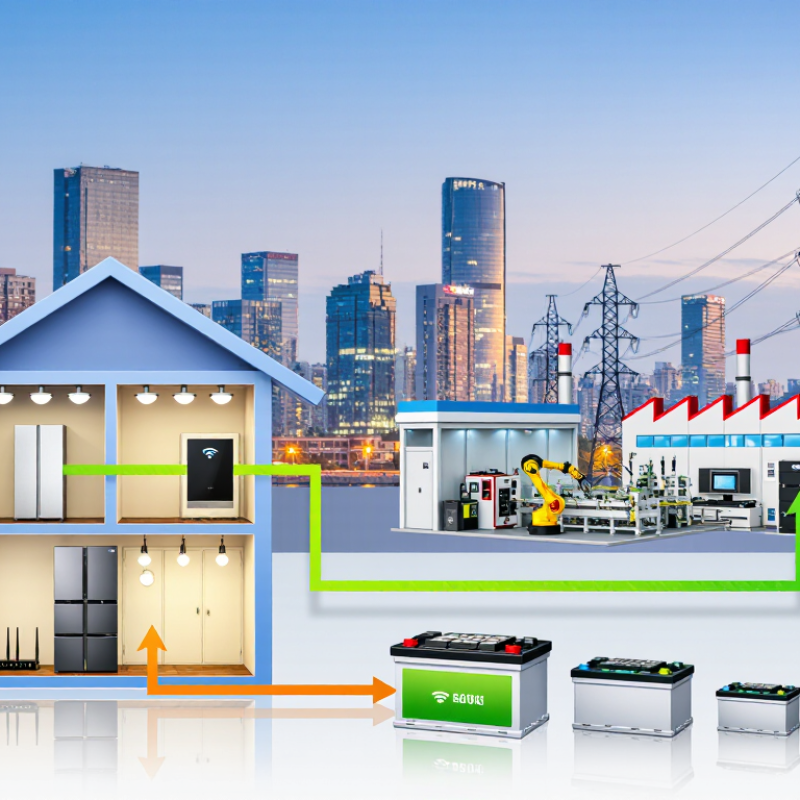
So, why is backup power becoming increasingly important for China buyers? For a homeowner, it may keep a router, refrigerator, and a few lights running during an outage. For a factory or shop, it may protect critical equipment and reduce disruption. The right system depends on load, runtime, installation conditions, and budget. Bigger is not always better. Buyers should check real output, battery capacity, and service support—not just headline claims. Backup power is useful, but it is not a substitute for a reliable grid or careful planning.
What Backup Power Means for Modern Energy Users
For modern energy users, backup power means more than keeping every appliance running during an outage. It means choosing which services should stay available and for how long. In a city apartment, that might be a router, a few lights, and a refrigerator. A small workshop may need safe shutdown time for computers or essential equipment. The right setup depends on actual loads, not just the largest number printed on a device.
That distinction matters. A battery paired with suitable power electronics can provide stored electricity when the grid is unavailable, while solar panels may help replenish it when conditions allow. But cloudy weather, limited roof space, and high evening demand can change expectations. Buyers should check usable capacity, rated output, transfer time, and whether the system supports the appliances they plan to connect. Small details matter.
It is easy to overestimate how much backup is needed—or to overlook a critical device. Listing essential loads and testing the system occasionally can reveal gaps before an outage does. Installation, ventilation, and routine inspection also affect dependable operation. Backup power is not a substitute for a reliable grid, and it cannot solve every interruption. Its value is more practical: keeping selected routines going when normal supply is briefly unavailable.
Why China’s Energy Needs Are Changing
China’s energy needs are changing as more homes, offices, and workshops rely on electricity throughout the day. Electric cooking, cooling, communications, and small-scale production all add to demand. A brief outage can now interrupt more than lighting. A refrigerator may warm, a home router may go dark, and a workshop’s control equipment may stop mid-task. Small disruptions matter.
Renewable power is also expanding, but its output can vary with weather and time of day. That makes storage and backup planning more relevant for households and businesses seeking steadier supply. The right setup depends on actual loads, outage patterns, and how long essential devices must run. Measure before buying. A battery sized for a router and lights will not necessarily support a pump or workshop tools. Buyers should also check ventilation, safe installation, maintenance needs, and expected battery life. These details are easy to overlook. Backup power is not a cure for every energy problem, and oversizing can waste money. Still, China’s changing mix of electricity uses makes reliable backup a practical part of planning, rather than an emergency purchase made in a hurry.
Why Is Backup Power Becoming Essential for China Buyers? — Why China’s Energy Needs Are Changing
| Energy indicator |
Latest reported figure |
What the trend may mean for backup power |
Source |
| National electricity consumption, 2024 |
9.8521 trillion kWh; up 6.8% year on year |
Rising electricity use increases the value of continuity planning for homes, businesses, and essential equipment. |
National Energy Administration (NEA), 2024 electricity-consumption statistics |
| Renewable generation capacity, end of 2024 |
About 1.889 billion kW, or approximately 56% of total installed power capacity |
A changing generation mix makes storage and flexible backup options increasingly relevant; it does not, by itself, indicate that outages are widespread. |
NEA, 2024 national power-industry statistics |
| Solar power capacity, end of 2024 |
Approximately 887 GW; up 45.2% year on year |
Solar output varies with daylight and weather, so users seeking power after sunset or during interruptions may consider pairing generation with storage. |
NEA, 2024 national power-industry statistics |
| Wind power capacity, end of 2024 |
Approximately 521 GW; up 18.0% year on year |
Wind output depends on wind conditions and location. Backup needs therefore vary by region, user, and the equipment that must remain powered. |
NEA, 2024 national power-industry statistics |
| New-type energy storage, end of 2024 |
73.76 GW of power capacity and 168 GWh of energy capacity; average duration about 2.3 hours |
Storage is expanding, but reported grid-scale capacity is not the same as household backup availability. Buyers should match backup duration and output to their actual loads. |
NEA, 2024 new-type energy-storage statistics |
|
Note: Figures describe China’s national electricity system and installed capacity. The backup-power observations are practical context, not a measure of outage frequency or a claim that every buyer needs backup equipment.
|
Which Risks Make Backup Power Essential
For buyers in China, backup power is often a response to practical risks, not a luxury. Severe rain, typhoons, heatwaves, and local grid faults can interrupt electricity, sometimes with little warning. A short outage can stop production lines, disable access controls, or warm refrigerated goods. That matters. For homes and small businesses, a power cut may also interrupt communications, lighting, or essential equipment.
Backup power can keep critical loads running until grid service returns. But choosing a system takes more than estimating total electricity use. Identify which devices must stay on, their starting power, and the likely outage duration. A refrigeration unit, for example, may draw more power when its compressor starts. Battery capacity can also fall with age or extreme temperatures. It is easy to overestimate what a compact system can support. Not every site needs the same setup.
Tips: List essential devices and check their rated and starting power. Ask a qualified installer to assess ventilation, wiring, and safe placement. Test the system periodically, and record how long it actually runs under load. A backup unit is not set-and-forget.
What Backup Power Technologies Can Buyers Choose
Backup power choices range from compact UPS units to whole-home battery systems. A UPS can keep a router, computer, or control panel running through a brief interruption. Portable power stations suit renters and small loads, while fixed batteries can support selected circuits for longer. For extended outages, fuel-powered generators offer sustained output, but require safe outdoor placement, fuel planning, and regular maintenance.
Hybrid solar-and-battery systems can recharge during daylight and provide power after sunset. The International Energy Agency’s Batteries and Secure Energy Transitions report states that global battery-storage additions reached 42 GW in 2023, more than doubling 2022 levels. This signals rapid growth, not a guarantee that every home needs a large battery. Buyers should check usable capacity, surge output, charging time, and installation needs. A fridge compressor may draw more power at startup than its running rating suggests. Sizing is easy to get wrong.
Tips: List the devices that must stay on, then estimate their watts and daily hours. Include a safety margin. No option is perfect: a smaller system may cover essentials, while whole-home backup can cost more than the outages justify.
How Chinese Buyers Evaluate Backup Power Systems
Across China, buyers are looking beyond rated output when comparing backup power systems. They want to know which loads stay online during an outage, and for how long. A home may prioritize refrigerators, routers, and medical devices; a workshop may need pumps or control equipment. Real needs differ.
Runtime should be checked against actual demand, not just a headline capacity figure. Buyers can list essential devices, note their wattage, and account for motors that draw extra power when starting. They should also check transfer time, battery recharge needs, noise, and available installation space. A system that looks adequate on paper may fall short during a long outage. Estimates are imperfect, too.
Compatibility and service matter after purchase. Confirm that the system works with existing wiring and any planned solar or battery setup. In humid or coastal locations, ask about enclosure protection and maintenance requirements. Clear warranty terms, accessible technical support, and replaceable components can reduce downtime. Price matters, but the lowest upfront cost may not be the cheapest choice over several years. Buyers should compare realistic operating scenarios and keep some margin for unexpected loads.
Conclusion
Backup power is becoming an important part of modern energy planning as homes, businesses, and essential services rely on electricity for more daily activities. The question of why is backup power becoming increasingly important is tied to changing energy needs, greater dependence on digital equipment, and the potential for outages caused by severe weather, grid constraints, or unexpected disruptions. A dependable backup system can help keep priority devices and operations running when the regular supply is interrupted.
Buyers can choose among options such as battery storage, portable generators, and integrated systems that combine storage with renewable energy. The right choice depends on the loads that must be supported, expected backup duration, installation space, operating costs, safety features, and ease of maintenance. Chinese buyers should also consider local climate and usage patterns, system compatibility, and the quality of technical support. Comparing these factors helps identify a practical solution suited to specific needs rather than simply choosing the largest system.

 CCSC Energy