China Top 10 Reasons Energy Storage is Vital for Renewable Energy?

Time:2026-06-11 Author:Isabella
0%

As the world shifts toward a sustainable future, the role of renewable energy cannot be overstated. However, the intermittent nature of sources like solar and wind energy poses significant challenges. This brings us to a crucial question: why is energy storage important for renewable energy? The answer lies in its ability to bridge the gap between energy supply and demand.

Energy storage systems play a vital role in ensuring a stable energy supply. They store excess energy produced during peak generation times for use during periods of low production. This functionality is crucial for maintaining grid reliability. Additionally, energy storage helps reduce reliance on fossil fuels, enhancing energy security. It supports the transition to a cleaner energy landscape, which is increasingly important as climate concerns grow.

Yet, while energy storage solutions are advancing, challenges remain. High costs, technology limitations, and environmental concerns regarding certain battery types must be addressed. The industry must reflect on these hurdles and work toward innovative solutions. Balancing energy supply and demand is complex. It requires collaboration across sectors and continuous improvement of energy storage technologies.
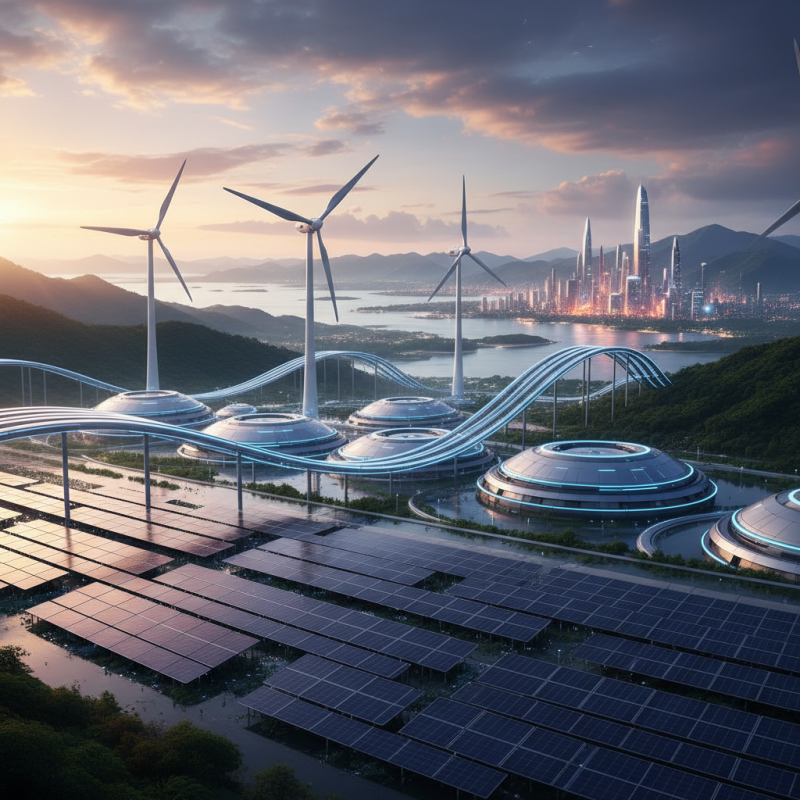
China Top 10 Reasons Energy Storage is Vital for Renewable Energy?

The Role of Energy Storage in Enhancing Renewable Energy Reliability

Energy storage plays a crucial role in enhancing the reliability of renewable energy. As renewable sources like solar and wind depend on weather conditions, energy storage systems provide a buffer. When the sun shines or the wind blows, excess energy can be stored. This stored energy can be released later when generation dips. Thus, energy storage helps in balancing supply and demand.

Reliability is key for energy systems. Without energy storage, we risk outages and instability. Imagine a sunny day when homes are powered by solar plants. If a cloud suddenly covers the sun, energy storage can quickly respond, preventing a loss of power. However, not every energy storage solution is perfect. Each technology, from batteries to pumped hydro, has its strengths and weaknesses. Some may require significant space or initial capital.

Adopting energy storage solutions also involves ongoing considerations. The environmental impact of storage technology, such as battery materials, deserves scrutiny. Even with its challenges, the benefits underscore its importance in creating a robust renewable energy landscape. Embracing these solutions is not just about energy—it's about resilience in our energy future.

Balancing Supply and Demand Through Energy Storage Systems

Energy storage systems play a crucial role in balancing supply and demand within the renewable energy landscape. Renewable sources, like solar and wind, are variable. They produce energy only when conditions are favorable, leading to fluctuations. When production peaks, energy can be wasted if not stored properly. Energy storage addresses this issue by capturing surplus energy for later use.

Large-scale battery systems can help manage energy distribution. During sunny or windy days, excess energy is stored for later consumption. This capability ensures a steady supply, even when generation dips. Furthermore, incorporating energy storage enhances grid reliability. It allows for smoother energy transitions, preventing blackouts during high demand periods.

Despite these benefits, challenges remain. The technology is continually advancing, yet costs can be high. There are concerns about the environmental impact of batteries, particularly in disposal. As the market evolves, finding a balance between efficiency, cost, and sustainability is critical. Continuous innovation and strategic investments are essential for a robust energy storage future.

Top 10 Reasons Energy Storage is Vital for Renewable Energy

Mitigating Intermittency of Renewable Sources with Storage Solutions

Energy storage plays a crucial role in harnessing renewable energy's full potential. Renewable sources like solar and wind are inconsistent. Their output can drop sharply, leaving us without power at critical times. Without storage solutions, these energy sources become less reliable.

Battery systems help bridge the gap. They allow excess energy, produced during sunny or windy days, to be stored. This stored energy can be released during high demand. Real-world projects show that integrating storage with renewables can stabilize the grid. However, we still face challenges with efficiency and costs. Many systems are not yet optimized for widespread use.

Moreover, not all regions have access to advanced storage technologies. Disparities in infrastructure can lead to unequal energy distribution. These barriers need to be addressed if we are to achieve a balance in energy supply. Continued advancements in battery technology are necessary. Ideally, we'd reach a point where storage is both accessible and affordable for all.

Economic Benefits of Energy Storage for Renewable Energy Projects

Energy storage plays a crucial role in advancing renewable energy projects. According to a report by the International Renewable Energy Agency (IRENA), energy storage capacity must increase to meet rising energy demands. The report emphasizes that energy storage can help stabilize the grid, especially with intermittent sources like solar and wind. This solution can lead to significant economic benefits.

The global energy storage market is projected to grow to $300 billion by 2026. This growth is driven by the need for flexibility in energy supply. Energy storage systems can lower costs by reducing peak energy demand. They also reduce reliance on fossil fuels, enhancing energy security. The U.S. Department of Energy notes that every $1 invested in energy storage can yield $2 to $4 in energy savings.

Tips: Always consider local regulations and incentives for energy storage projects. These can significantly enhance your project's economic viability. Engaging with local stakeholders is vital. Their support may streamline project development and increase acceptance within the community.

Despite the benefits, energy storage does have challenges. The technology is evolving, but costs can still be high. Some systems lack efficiency, making them less viable for small-scale projects. Ongoing research aims to make energy storage more accessible and affordable for all. Even with potential drawbacks, the future of renewable energy looks brighter with effective energy storage solutions in place.

Supporting Grid Stability and Resilience with Energy Storage Technologies

The integration of renewable energy sources brings challenges to grid stability. Energy storage technologies play a crucial role in addressing these challenges. By providing a reliable buffer, they help manage the intermittent nature of solar and wind power. This storage ensures that energy generated during peak times can be utilized later, reducing waste.

Energy storage enhances grid resilience by providing backup during outages. For instance, systems can store excess energy when demand is low. In times of high demand or after a natural disaster, this stored energy can be released swiftly. This capability is vital for maintaining power supply continuity, ensuring communities stay connected.

However, the deployment of energy storage is not without hurdles. High initial costs and space limitations can restrict widespread adoption. Ongoing investments in technology and infrastructure are essential. Overcoming these barriers will pave the way for more robust energy systems, benefiting both the economy and environment.

China Top 10 Reasons Energy Storage is Vital for Renewable Energy

Reason Description Impact on Grid Environmental Benefits
1. Balancing Supply and Demand Energy storage helps to match the supply of renewable energy with consumer demand, providing a buffer to mitigate fluctuations. Improved grid efficiency and reduced peak demand strains. Lower greenhouse gas emissions due to more effective use of renewables.
2. Enhancing Grid Stability Energy storage systems provide backup during outages, helping to stabilize the grid. Reduces the risk of blackouts and enhances reliability. Supports continued use of clean technologies that reduce air pollution.
3. Facilitating Renewable Integration Storage systems allow for the incorporation of more solar and wind resources into the energy mix. Increases resilience of the grid to renewable energy volatility. Maximizes the use of sustainable energy sources.
4. Reducing Energy Costs By storing energy during low-demand periods, costs can be reduced during peak times. Provides economic benefits to consumers through lower utility bills. Encourages investments in renewable technology.
5. Supporting Charging Infrastructure Storage systems can support electric vehicle charging stations, addressing demand spikes. Promotes EV adoption and infrastructure reliability. Reduces reliance on fossil fuels in transportation.
6. Enhancing Energy Security Energy storage provides a source of energy during disruptions or natural disasters. Helps ensure continuous energy supply during crises. Promotes community resilience against environmental impacts.
7. Driving Technological Innovation Investment in energy storage drives advancements in battery technologies and materials. Leads to more effective storage solutions and improvements in grid technology. Enhances overall sustainability of energy systems.
8. Encouraging Renewable Investments Reliable energy storage systems attract investments in renewable energy projects. Supports the growth of clean energy sectors. Promotes cleaner environments and reduces pollution levels.
9. Optimizing Renewable Resource Usage Storage allows for the maximal use of renewable resources by storing excess energy. Improves resource management and grid efficiency. Promotes ecological sustainability through balanced resource use.
10. Promoting Economic Growth Energy storage systems can lead to job creation in new energy sectors. Stimulates local economies through new energy projects. Increases investment in cleaner, sustainable practices.

FAQS

: Why is energy storage important for renewable energy?

: Energy storage helps manage the inconsistency of renewable sources like solar and wind. It provides reliable power when needed.

How do battery systems contribute to energy management?

Battery systems store excess energy generated during peak production times. This energy can be used when demand rises.

What are the challenges of integrating storage with renewables?

Some challenges include high costs, efficiency issues, and regional disparities in access to storage technology.

How do energy storage technologies enhance grid stability?

They act as a buffer for intermittent energy sources, ensuring energy generated during low-demand times is utilized later.

In what situations can stored energy be beneficial?

Stored energy can be crucial during outages or natural disasters. It provides backup power for communities in dire need.

Are there barriers to widespread adoption of energy storage?

Yes, high initial costs and space limitations often hinder the deployment of energy storage technologies.

What advancements are needed for energy storage?

Continued improvements in battery technology and infrastructure are necessary for more accessible and affordable energy storage options.

How does energy storage impact energy distribution?

Disparities in storage technology access can lead to unequal energy distribution across different regions.

Can energy storage help reduce waste in energy production?

Yes, it allows for better utilization of energy generated during low demand, reducing potential waste during peak production times.

Conclusion

Energy storage plays a crucial role in enhancing the reliability of renewable energy systems, addressing key challenges such as intermittency and balancing supply with demand. By providing a buffer for excess energy generated during peak production times, energy storage systems ensure that renewable energy can be accessed consistently, even when generation is low. This capability is essential for mitigating the fluctuations associated with sources like solar and wind, making storage solutions indispensable to the overall effectiveness of renewable energy projects.

Moreover, the economic benefits of integrating energy storage into renewable energy infrastructures are significant. By stabilizing the grid and enhancing resilience, energy storage technologies reduce operational costs and improve energy security. In summary, understanding why energy storage is important for renewable energy is foundational to advancing a sustainable energy future, as it supports a balanced, stable, and economically viable energy landscape.

Isabella

Isabella

Isabella is a dedicated marketing professional with a sharp focus on driving brand growth and engagement through strategic content creation. With an extensive background in digital marketing, she combines her passion for storytelling with her keen understanding of industry trends to deliver......